

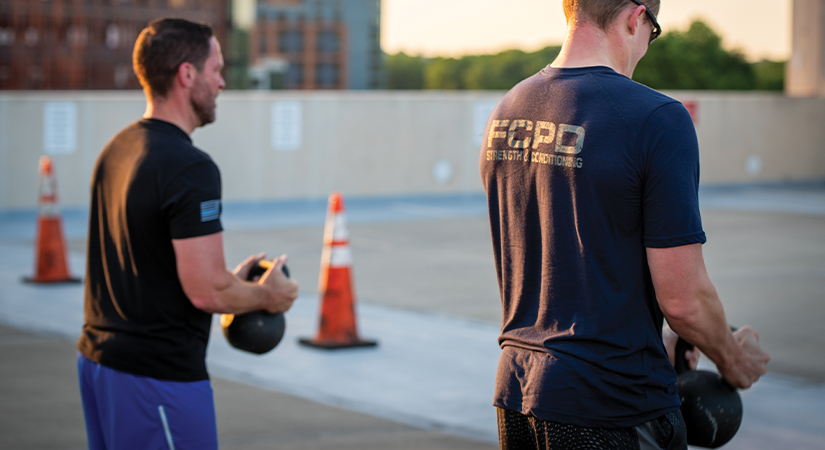
Physical fitness often comes into play during use-of-force incidents within policing; thus, a lack of physical fitness can increase an agency’s liability and the potential for officer injuries. Physical fitness and use of force as they relate to human performance can also impact areas such as survivability, response times, decision-making, heart rate control, stress response, and other similar topics.
Use of Force Overview
Use of force is often thought of categorically in levels, from least intrusive to most intrusive. Applying this type of use-of-force concept makes it difficult during a dynamic situation that may require immediate deadly force decisions by the police. Public perception can complicate this further, as their belief of appropriate force may differ from what is reasonable force based on Graham v. Connor. The Texas Commission on Law Enforcement, through the Basic Peace Officer Course, requires teaching the Dynamic Resistance Response Model. This provides a simple but complete understanding of the tools and options available, allowing officers to respond based on an individual’s behavior.
In order to access the rest of the article sign in with your IACP or Subscriber credentials.