


Share
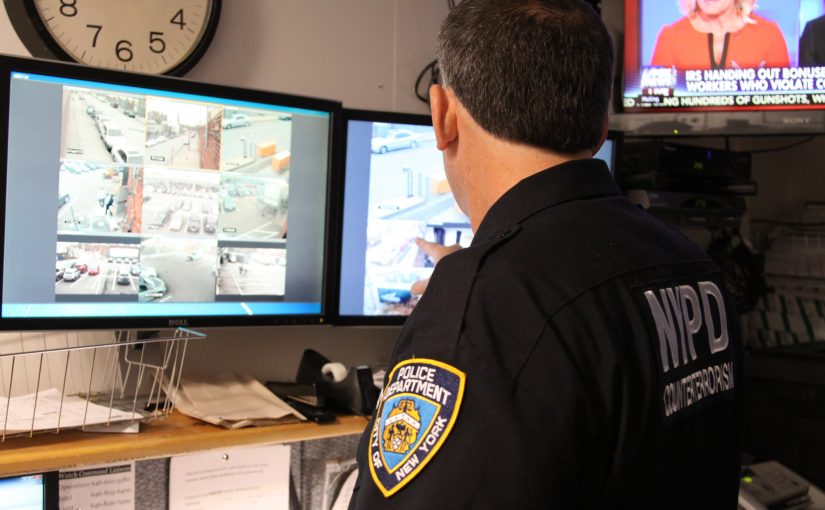
An officer who took the oath in the weeks after September 11, 2001, is at or past the 25-year service mark today. An entire generation of U.S. policing has now been recruited, trained, promoted, and (...
Share
The terrorist attacks of September 11, 2001, marked a defining moment in the evolution of policing. In the aftermath, police agencies were forced to reassess not only how they responded to threats but...
Share
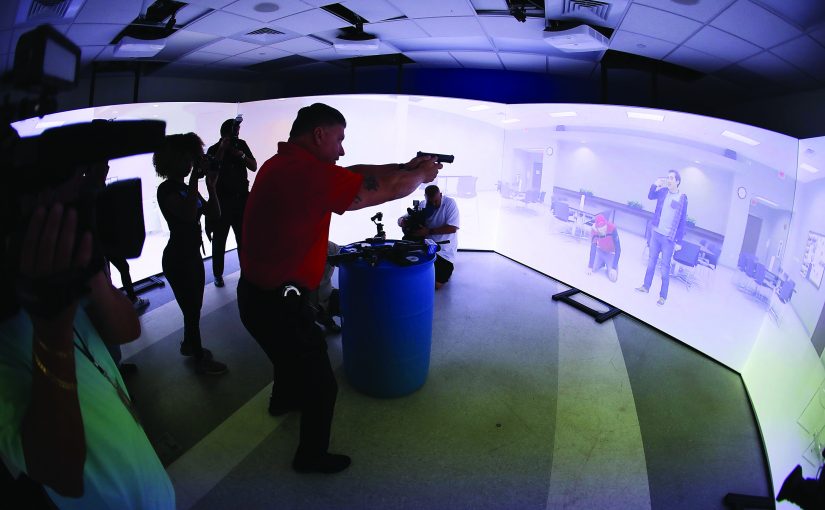
Police and military personnel are prepared for high-risk, quick-reaction operations through tactical training, a meticulously planned practice of teaching. To increase the chances of operational succe...
Share
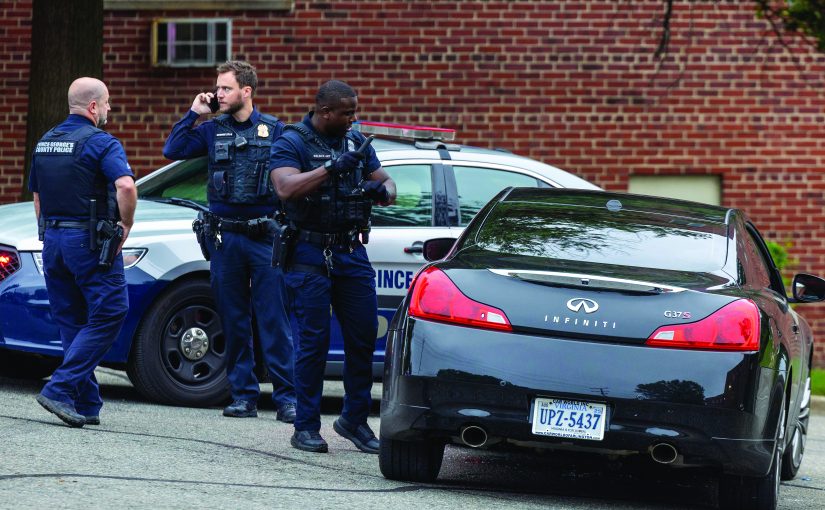
It is 2:37 a.m. The shift is below minimum staffing. Dispatch activates the hot tone (emergency alert) and advises that a male caller reported someone had broken into his home and was armed. Call hist...
Share
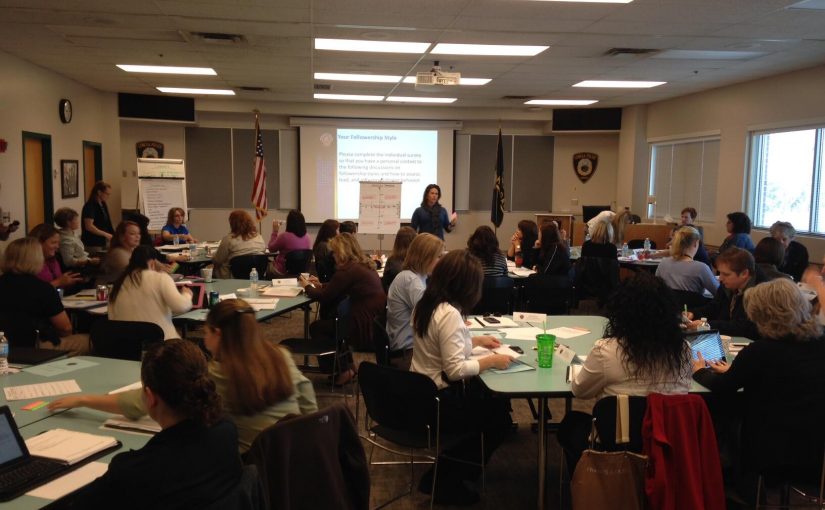
Police agencies across the United States are operating in one of the most complex environments in modern policing. Departments are expected to reduce violent crime, strengthen community trust, support...
Share
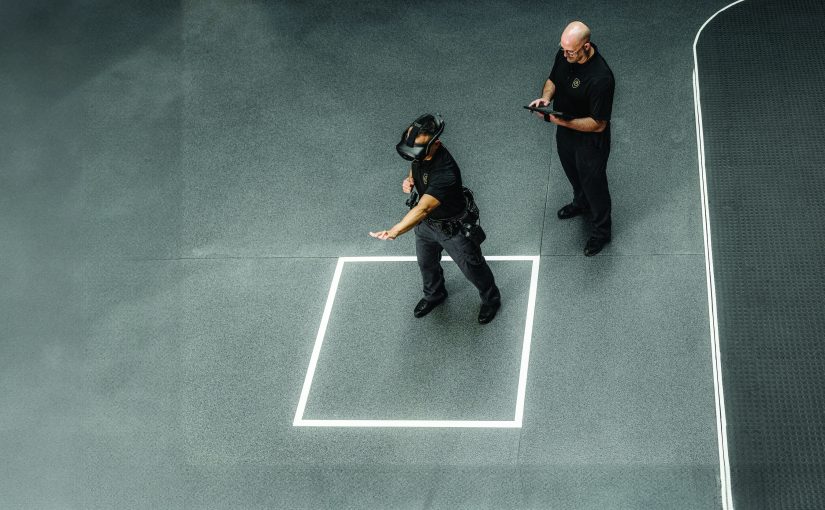
In today’s rapidly changing policing environment, training must evolve to meet complex demands: high-stakes encounters, mental health crises, community expectations for de-escalation, and limited re...
Share
As policing evolves over the 21st century, so does training. The mental, physical and tactical training available to officers today vastly differs from even a decade ago. Improved virtual...
Share
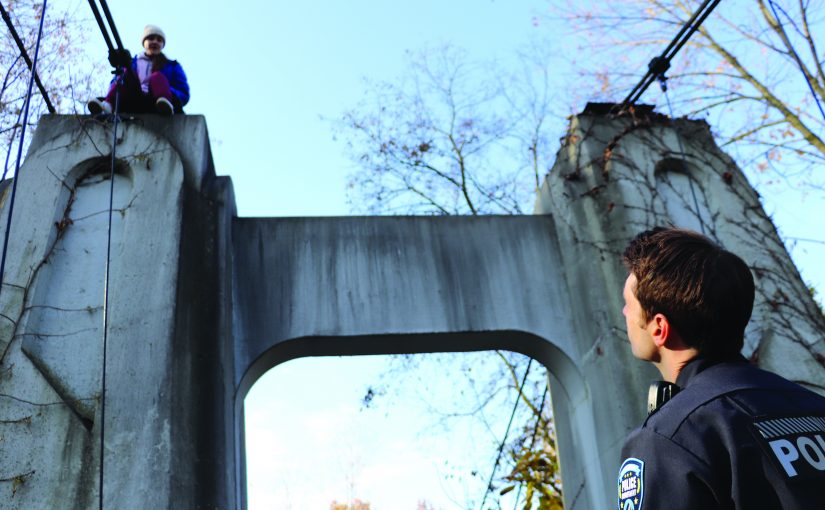
Most failures in policing do not begin with flawed tactics or inadequate equipment. They begin with words spoken too quickly, cues missed under stress, or decisions rushed in moments that required pat...