
The Hazards of Certainty
Cognitive Biases During Critical Incidents
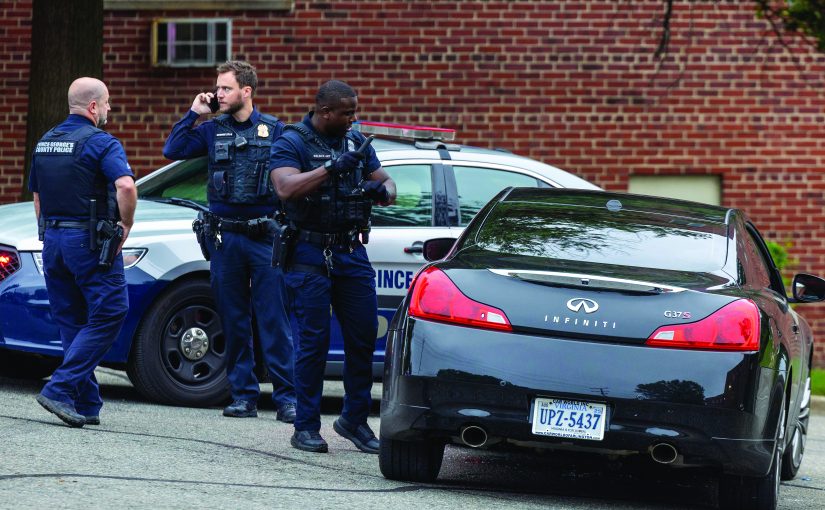
It is 2:37 a.m. The shift is below minimum staffing. Dispatch activates the hot tone (emergency alert) and advises that a male caller reported someone had broken into his home and was armed. Call history shows that an adult male, an adult female, and a small child reside at the residence. The caller further advises that he is armed and will defend himself. All three available officers respond with lights and sirens. While officers are en route, additional 911 calls report multiple gunshots coming from the same address.
As officers arrive on scene, they begin organizing a response and report hearing active gunfire inside the residence. Moments later, the officer on the north side of the home radios that a male subject has exited the house with a firearm in his hand. The male appears impaired. He drops the weapon and is detained. He identifies himself as the caller and homeowner. The homeowner states that his wife and child are still inside the house with the intruder. He also advises that he fired his weapon several times but does not know whether he struck the intruder.
The patrol sergeant arrives as this information is being relayed. One officer is with the detained male, while two officers are positioned near the rear of the residence. There is no longer any noise coming from inside the house. The sergeant must now decide whether to enter the home with limited personnel, resources, and intelligence, or secure a perimeter and wait for additional resources. The information is incomplete, the stakes are high, and every second feels critical.
Why Critical Incident Command Is Vulnerable to Bias
Police officers are regularly involved in critical incidents. Many of these incidents involve incomplete information, compressed time, and substantial personal risk. During these situations, officers and supervisors must simultaneously weigh the safety of victims, suspects, fellow officers, and themselves. The scenario described is therefore not an outlier but a realistic example of the high-pressure events in which tactical judgment can determine whether a situation is resolved or escalated.
While it is unlikely that a new officer will serve as the incident or scene commander during a critical event, experience alone does not make leaders immune to cognitive bias. When incident commanders face the stresses of uncertainty, time constraints, and potential physical danger, the human brain often defaults to relying on mental shortcuts to make rapid decisions.1 Although this decision-making process can be useful in fast-moving situations, it can also distort judgment.2 Cognitive biases may influence threat perceptions, how and where resources are deployed, and decisions regarding force escalation. For this reason, leaders must be able to recognize how cognitive biases affect tactical decision-making as a first step toward mitigating their impact.
In order to access the rest of the article, sign in with your IACP or Subscriber credentials.