
The Space Between the Classroom and the Street
Using Cinematic VR to Cultivate the Art of Decision-Making
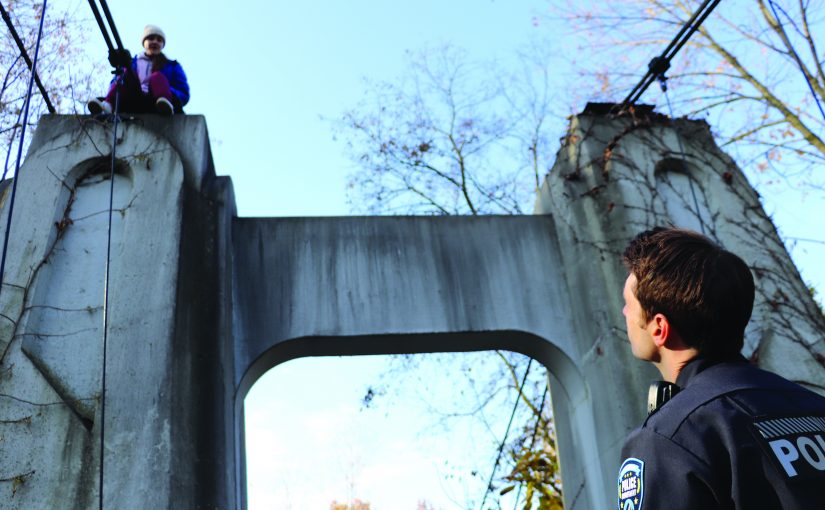
Most failures in policing do not begin with flawed tactics or inadequate equipment. They begin with words spoken too quickly, cues missed under stress, or decisions rushed in moments that required patience.
For decades, police training relied on block and siloed instructional models, heavily dependent on lecture-based delivery to communicate foundational subjects such as communication principles, constitutional law, ethics, and officer wellness—an approach that often separated knowledge from practical application. While these foundational topics remain essential to professional development, the instructional methods traditionally used to teach them have become outdated.
In order to access the rest of the article, sign in with your IACP or Subscriber credentials.