
Crafting a Successful Recruit Pipeline
The Four-Tier Recruitment and Youth Development Strategy
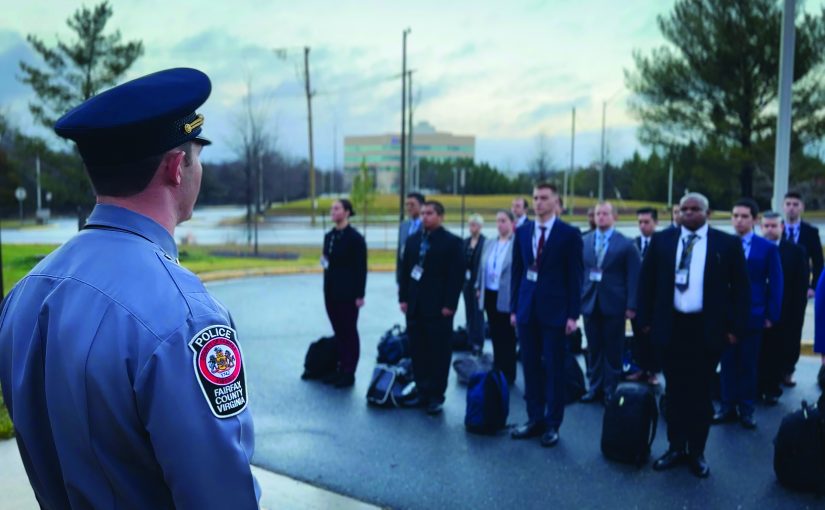
Given the staffing issues faced by most police agencies and the ongoing need to continue to improve community relationships and support, one proposed approach addresses both needs, involving two sets of hiring strategies that intersect at certain points: a short-term and a long-term or “pipeline” strategy.
The short-term strategy typically focuses on potential recruits within one year of being eligible for the academy and older, including transfers. The pipeline strategy is more community based. It emphasizes the “grow-your-own” approach to recruitment. As such, it focuses on (1) programs that help youth and their parents develop a foundation of mutual respect and understanding, as well as civic skills and self-confidence, and (2) programs that help interested youth develop an understanding of police work and some of the skills and knowledge needed for those careers—both sworn roles and professional staff positions.
Much has been written about the key tactics needed for agencies to be successful in recruitment. These include better and more targeted recruitment videos, reducing application processing time, reforming civil service rules, lateral recruitment, branding the uniqueness and culture of the agency, enhanced communications with potential recruits, better organized and readable websites, tracking where the agency’s current recruits come from and why they joined, improved and expanded wellness programs, and other benefits including education and flexibility in work hours.1
However, until recently there has not been nearly as much written on pipeline strategies nor has the recruitment discourse gone into any depth on what a complete pipeline might entail. Nonetheless, there are currently three key efforts that provide a good foundation for developing a community-based pipeline strategy.
The first effort began in 2009 when a California Peace Officer Standards and Training (POST) task group reviewed recruitment deficiencies and developed the POST Public Safety Career Pipeline concept.2 Subsequently, the task group provided a review of the youth programs currently used and made suggestions for improvements, resulting in a video, program guide, and many other useful tools. It was updated in 2014 and is still quite useful.
In 2020, the U.S. Department of Justice’s Office of Community Oriented Policing Services funded a study by RAND and the Law and Public Safety Education Network (LAPSEN). This second effort identified youth programs in the United States that can be used by the policing profession for recruitment.3 These were both in-school career programs and police-led programs such as Police Explorers and Public Service Cadets. Internships and summer camps were also included. (See Figure 1.) This project also resulted in a searchable directory of programs and now resides on the LAPSEN website.4
In order to access the rest of the article sign in with your IACP or Subscriber credentials.