

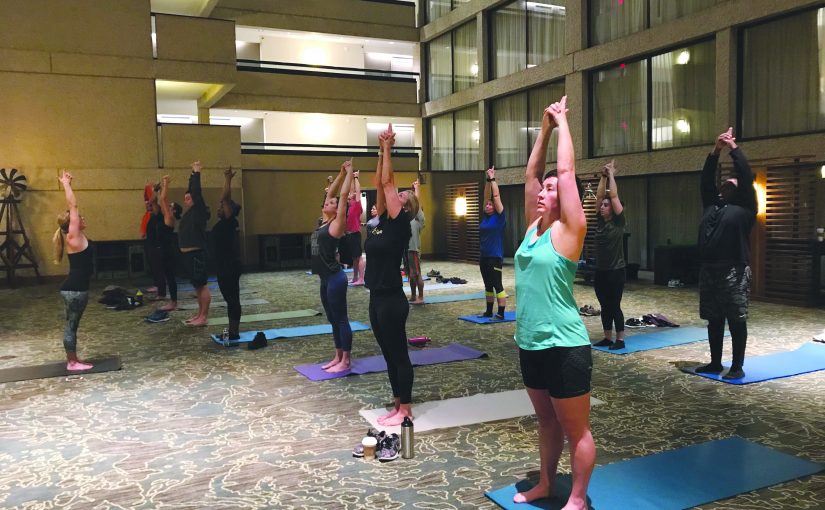
Being a police officer can be a demanding and difficult job. In fact, police officers are often exposed to stressful situations while on duty. These situations include, but are not limited to, dangerous stops, violence, motor vehicle accidents, and death.1 Due to their exposure to such work environments, police officers can also experience a wide range of health concerns, these include both psychological and physical health.2 For example, exposure to stressful events, including violence and accidents, although intrinsic to police work, can result in a variety of psychological problems, such as stress, anxiety, depression, and post-traumatic stress disorder (PTSD). Chronic stress from policing also causes adverse physical health effects, such as weakened immune systems, sleep disorders, and cardiovascular problems.3
Officers who regularly deal with horrific events are especially vulnerable to cumulative stress, which can lead to burnout and emotional weariness.4 Police officers are 54 percent more likely to die by suicide than people in other professions, which emphasizes how urgently comprehensive wellness initiatives that promote officers’ psychological and physical health are needed.5 Moreover, the stressors of police work also lead to poor physical health such as injuries, lower back pain, obesity, metabolic syndrome, cardiovascular disease, and cancer.6 Additionally, because of their exposure to unknown pollutants, radar equipment, direct sunlight, and solvents used to clean firearms, officers are at risk for Hodgkin’s lymphoma.7 Officer injuries have many different causes, including traffic crashes and assaults, due to the uncertain nature of their duties.
In general, police stressors can be broadly classified into two groups: (1) job context stressors, which include bureaucratic procedures and interactions with coworkers; and (2) job content stressors, which include work schedules, long hours, and exposure to horrific incidents.8 Both types of stressors impact not only the organization but also the police personnel. For example, high levels of stress lead to higher absenteeism, refusal to complete specific job tasks, poor productivity, poor decision-making, and receiving more community and authoritative complaints.9 Over time, these behaviors can lead to lower public trust in police officers’ jobs and increased tensions with communities, hindering effective policing.10
Effects of Occupational Stress
The demanding nature of police work often involves long, irregular shifts, leading to disrupted sleep patterns, fatigue, and impaired cognitive functioning.11 Studies show that sleep deprivation alone exacerbates stress and increases the likelihood of errors in the field.12 If left unaddressed, trauma and chronic stress can have lasting psychological and physical health impacts on officers, potentially leading to irreversible harm and other conditions such as chronic fatigue syndrome, fibromyalgia, indigestion, autoimmune disorders, chronic pain syndrome, social phobias, and substance use disorder.13 Approximately 30 percent of police officers either fully meet the criteria for the diagnosis of PTSD or suffer clinically significant symptoms of the disease at some point in their careers.14
In considering the physiological and psychological impacts of occupational stress, dispositional mindfulness may significantly reduce the adverse effects of occupational stress. Officers’ perceptions of stress were strongly influenced by aspects of mindfulness such as nonreactivity and nonjudging.15 Officers with high levels of nonreactivity—meaning they were less likely to react impulsively to distressing internal experiences—exhibited a weaker relationship between operational stressors and perceived stress. Similarly, practicing nonjudgment (that is, reduced critical self-evaluation) was associated with lower perceived stress, and this relationship was strongest when organizational stress levels were low. According to these findings, cultivating mindfulness-based abilities may provide protective advantages against the negative consequences of occupational stress in policing, lowering the likelihood of psychological disorders, burnout, and poor decision-making under pressure.
“Yoga and meditation practices enhance stress management and coping mechanisms, thereby fostering resilience by reducing anxiety and depressive symptoms.”
According to recent studies, mindfulness-based therapies are beneficial for policing because they help police personnel who are experiencing burnout, anxiety, or depression.16 Training regimens that use body scanning, mindful movement, and guided breathing techniques enhance resilience and emotional control—two critical traits for decision-making under duress. Departments can provide officers with proactive coping mechanisms, lowering long-term psychological discomfort and enhancing job performance, by including mindfulness-based training in police wellness initiatives.
As a result of these studies, many police agencies have started offering wellness programs for their officers. The programs encompass physical fitness, resilience and wellness, coping skills, nutrition, mental health treatment, and substance use treatment.17 For example, research shows that the United States is one of many countries implementing wellness initiatives for police officers. Other countries like Canada, the United Kingdom, and Australia have implemented similar wellness initiatives highlighting the importance of mental health in policing. For instance, Canada’s Road to Mental Readiness (R2MR) program aims to decrease the stigma associated with mental health concerns and increase officers’ resilience.18 Police training in the United Kingdom has included mindfulness-based interventions, with good results regarding lower stress levels and better emotional control.19 The Beyond Blue initiative in Australia gives officers access to peer support groups, stress management tools, and counseling.20 These global examples show that resilience and mindfulness apply universally, despite institutional and cultural differences in program design. However, when it comes to the United States, more mental health services are needed, as only 14 percent of the agencies provide resilience training. Implementing holistic programs like yoga, mindfulness, and meditation into new or existing wellness programs can further enhance officers’ resilience and well-being.
The Need for Resilience
Resilience is the ability to withstand, adapt to, and recover from adversity and stress and return to a positive mental health and well-being state through coping strategies.21 Programs that teach officers resilience have drawn notice as a proactive way to manage stress and preserve their mental well-being. These programs aim to give officers the tools to overcome obstacles, adjust to changing circumstances, and rebound from trying times. Officers who took part in resilience training reported feeling less stressed and having better general health than police officers who did not.22
Techniques such as stress management; cognitive-behavioral tactics; and social connection building or developing positive relationships and networks (through mentorship) are frequently incorporated into resilience training.23 The focus is on developing a mindset that allows officers to see difficulties as opportunities for development rather than insurmountable roadblocks. Officers who have received resilience training are more equipped to control their emotions under pressure, which results in better decision-making and interactions with the public.24
Incorporating Yoga, Mindfulness, and Meditation
Yoga is a comprehensive practice that includes breath control, physical posture, and meditation to enhance mental and physical well-being. Mindfulness is the nonjudgmental awareness of present moment experiences cultivated through intentional attention in one’s daily life. Meditation is a broader category of mental training practice that regulates attention and awareness to achieve mental clarity, emotional calm, and self-regulation. Yoga, mindfulness, and meditation are examples of mind-body techniques incorporated more and more into police health programs’ stress reduction strategies. These techniques promote awareness, calmness, and a sense of presence to combat the hypervigilance that officers frequently feel.25
The results of research on yoga, meditation, and mindfulness techniques point to significant advantages for police personnel in terms of stress management, resilience building, and well-being promotion. Yoga has been shown to significantly reduce stress and increase coping strategies for officers, as well as improve emotional regulation and mindfulness. For example, police academy cadets who practiced yoga reported feeling less stressed and having better mood management.26 Officers who participated in yoga-based therapies showed notable gains in stress reduction, mindfulness, and general well-being.27 Findings on yoga indicate that yoga-based therapies, like the Kripalu Yoga Sequence and the RISE program, can substantially alleviate police officers’ stress, tension, and weariness.28 These programs also increase self-worth, resilience, and coping mechanisms. Moreover, research has found that yoga practices like Surya Namaskar significantly improved self-confidence and stress management.29 Small sample sizes, a lack of control groups, and the use of self-reported data are some of the drawbacks that imply that, although yoga has potential, more thorough, extensive research is required to validate its long-term advantages and generalizability across a range of police communities.
“Wellness programs must be customized to officers’ specific requirements to guarantee their efficacy in lowering stress and fostering resilience.”
Similarly, mindfulness and meditation practices have been shown to reduce aggression, stress, and burnout while improving emotional regulation and overall mental health. Studies highlight that mindfulness-based resilience training and mindfulness-based stress reduction programs significantly decrease stress, depression, and anxiety among officers.30 These interventions also improve sleep quality and resilience.31 Back pain and tension headaches are two physical symptoms of stress that yoga has shown to relieve by improving flexibility and reducing muscular tension.32 Furthermore, mindfulness exercises help police officers become more relaxed and clear-headed by encouraging them to focus on breathing and physical sensations. Officers can use mindfulness to separate their thoughts and feelings, allowing them to react to stressors more calmly.33
Yoga and meditation practices enhance stress management and coping mechanisms, thereby fostering resilience by reducing anxiety and depressive symptoms.34 A study by Gaiswinkler and Unterrainer (2016) found that individuals who practiced yoga only slightly or moderately, or those in the gymnastics control group, compared to those who practiced yoga heavily, demonstrated significantly higher levels of mindfulness and religious/spiritual well-being, and lower levels of psychiatric symptoms like depression. Also, with a large and established body of research examining its effectiveness in enhancing psychological functioning and well-being in both clinical and nonclinical populations, mindfulness-based interventions have gained popularity as a psychological intervention on a global scale.35 Formal mindfulness exercises like body scans, sitting meditation, mindful walking, and hatha yoga are taught, as are informal exercises that teach people to perform normally thoughtless duties like brushing their teeth and doing the dishes with deliberation.36 Additionally, meditation has been shown to foster resilience by enhancing emotional regulation and cognitive flexibility.
Although the research on police officer stress and the utilization of yoga, mindfulness, and meditation programs is limited, the practice of yoga in general has shown to reduce stress across a variety of occupations and individuals.37 It could thus be argued that such practices could help reduce stress among police officers as well. In fact, programs such as yoga, mindfulness, and meditation can offer police officers the opportunity for mindful breathing, relaxation, and a calming therapeutic environment before and after a very unpredictable day of work.
Policy Recommendations
To effectively address the growing concern of police officer stress and promote overall psychological and physical well-being, law enforcement agencies and policymakers alike must prioritize the study of and use of alternative methods such as yoga, mindfulness, and meditation. To that end, the following action items are recommended:
- Police agencies should be open to implementing alternative programs and allowing researchers to pilot these programs to test their effectiveness.
- Collected data should be shared among all research and police agencies implementing these programs.
- Police agencies should conduct wellness screenings on their officers that may best assess their psychological and physical health so that target programs can be developed and implemented.
- Police professionals, researchers, and policymakers should collaborate in proactively addressing critical incident stress by investing in evidence-based mental preparedness programs that are empirically tested. Such an investment will ensure officers are mentally equipped to handle the unique stresses of their work, ultimately improving both individual well-being and organizational performance.
- Organizations should conduct internal assessments and work with outside experts to rigorously evaluate the efficacy of yoga, mindfulness, and meditation programs. Departments should, therefore, monitor the results of mental health and wellness initiatives, ask officers for input, and share effective tactics with other law enforcement organizations.
Conclusion
The obstacles that police personnel encounter highlight the necessity of all-encompassing wellness initiatives that attend to their mental and physical well-being. Though resilience training, yoga, mindfulness, and meditation offer promising ways to mitigate these consequences, officers’ well-being can be greatly impacted by exposure to traumatic events and ongoing stress. As research advances, wellness programs must be customized to officers’ specific requirements to guarantee their efficacy in lowering stress and fostering resilience.
Based on the literature identified and reviewed herein, it appears that the use of yoga, mindfulness, and meditation positively impacts police officers psychological and physical well-being. While research on this topic is limited, and not much can be ascertained as far as the potential benefits yoga, mindfulness, and meditation may have, in the long term, among police officers, the existing research does indicate overwhelming support for activities such as yoga, mindfulness, and meditation in policing as a mechanism to prevent officer stress or burnout.
Notes:
1Tina B. Craddock and Grace Telesco, “Police Stress and Deleterious Outcomes: Efforts Towards Improving Police Mental Health,” Journal of Police and Criminal Psychology 37, no. 1 (2022): 173–182.
2American Heart Association, “What Is Metabolic Syndrome?”; Judy Berthiaume, “UW-Eau Claire Research Aims to Improve Police Officers’ Health, Quality Of Life,” Campus Stories, All In Wisconsin, February 11, 2019.
3Gregory S. Anderson, Robin Litzenberger, and Darryl Plecas, “Physical Evidence of Police Officer Stress,” Policing: An International Journal 25, no. 2 (2002): 399–420.
4Brian A. Chopko, Patrick A. Palmieri, and Richard E. Adams, “Trauma-Related Sleep Problems and Associated Health Outcomes in Police Officers: A Path Analysis,” Journal of Interpersonal Violence 36, no. 5-6 (2021): NP2725–NP2748.
5John M. Violanti and Andrea Steege, “Law Enforcement Worker Suicide: An Updated National Assessment,” Policing 44, no. 1 (2021): 18–31.
6Simon Baldwin et al., “Stress-Activity Mapping: Physiological Responses During General Duty Police Encounters,” Frontiers in Psychology 10 (2019): 2216; Natalia Ermasova, Ardis D. Cross, and Evgenia Ermasova, “Perceived Stress and Coping among Law Enforcement Officers: An Empirical Analysis of Patrol Versus Non-Patrol Officers in Illinois, USA,” Journal of Police and Criminal Psychology 35 (2020): 48–63; Anastasi Kosmadopoulos et al., “Effects of Shift Work on the Eating Behavior of Police Officers on Patrol,” Nutrients 12, no. 4 (2020): 999; Ariama Wasserman, Deon Meiring, and Jurgen Renier Becker,“Stress and Coping of Police Officers in the South African Police Service,” South African Journal of Psychology 49, no. 1 (2019): 97–108; Michael Wirth et al., “The Epidemiology of Cancer Among Police Officers,” American Journal of Industrial Medicine 56, no. 4 (2012): 439–453.
7Wirth et al., “The Epidemiology of Cancer Among Police Officers.
8John Shane, “Organizational Stressors and Police Performance,” Journal of Criminal Justice 38, no. 4 (2010): 807–818.
9Laurence Miller, “Police Officer Stress: Syndromes and Strategies for Intervention,” in Behind the Badge: A Psychological Treatment Handbook for Law Enforcement Officers, eds., Sharon M. Freeman Clevenger et al. (London: Routledge/Taylor & Francis Group, 2015), 202–221.
10John M. Violanti et al., “Police Stressors and Health: A State-of-the-Art Review,” Policing: An International Journal 40, no. 4 (2017): 642–656; Miller, “Police Officer Stress.”
11Karen L. Amendola et al., “An Experimental Study of Compressed Work Schedules in Policing: Advantages and Disadvantages of Various Shift Lengths,” Journal of Experimental Criminology 7, no. 4 (2011): 407–442.
12Sergio Garbarino et al., “Association of Work-Related Stress with Mental Health Problems in a Special Police Force Unit,” BMJ Open 3, no. 7 (2013): e002791.
13Amendola et al., “An Experimental Study of Compressed Work Schedules in Policing”; Erin C. McCanlies et al., “Positive Psychological Factors Are Associated with Lower PTSD Symptoms among Police Officers: Post Hurricane Katrina,” Stress and Health 30, no. 5 (2014): 405–415.
14Miller, “Police Officer Stress.”
15Sarah Angela Kriakous, “The Effectiveness of Mindfulness-Based Stress Reduction on the Psychological Functioning of Healthcare Professionals: A Systematic Review,” Mindfulness 12, no. 1 (2021): 1–28.
16Ashley Withrow, Katie Russell, and Braveheart Gillani, “Mindfulness Training for Law Enforcement to Reduce Occupational Impact: A Systematic Review and Meta-Analysis,” The Police Journal: Theory, Practice and Principles 97, no. 2 (2023): 221–239 .
17Bruce G. Taylor, Weiwei Liu, and Elizabeth A. Mumford, “A National Study of the Availability of Law Enforcement Agency Wellness Programming for Officers: A Latent Class Analysis,” International Journal of Police Science & Management 24, no. 2 (2021): 175–189.
18R. Nicholas Carleton et al., “Assessing the Relative Impact of Diverse Stressors among Public Safety Personnel,” International Journal of Environmental Research and Public Health 17, no. 4 (2020): 1234.
19Jenny Gu et al., “How Do Mindfulness-Based Cognitive Therapy and Mindfulness-Based Stress Reduction Improve Mental Health and Wellbeing? A Systematic Review and Meta-Analysis of Mediation Studies,” Clinical Psychology Review 37 (2015): 1–12.
20 Police Care Australia, “Beyond Blue.”
21Silvia Caldeira and Fiona Timmins, “Resilience: Synthesis of Concept Analyses and Contribution to Nursing Classifications,” International Nursing Review 63, no. 2 (2016): 191–199.
22Bengt Arnetz et al., “Trauma Resilience Training for Police: Psychophysiological and Performance Effects,” Journal of Police and Criminal Psychology 35, no. 3 (2009): 1–9.
23Konstantinos Papazoglou and Daniel M. Blumberg, POWER: Police Officer, Wellness, Ethics, and Resilience (Cambridge: Academic Press, 2020); Alex Pollock et al., “Interventions to Support the Resilience and Mental Health of Frontline Health and Social Care Professionals During and After a Disease Outbreak, Epidemic or Pandemic: A Mixed Methods Systematic Review,” Cochrane Database of Systematic Reviews 11, no. 11 (2020): CD013779.
24Rollin McCraty and Mike Atkinson, “Resilience Training Program Reduces Physiological and Psychological Stress in Police Officers,” Global Advances in Health and Medicine 1, no. 5 (2012): 44–66.
25Daniel W. Grupe et al., “The Impact of Mindfulness Training on Police Officer Stress, Mental Health, and Salivary Cortisol Levels,” Frontiers in Psychology 12 (2021): 720753; Craddock and Telesco, “Police Stress and Deleterious Outcomes.”
26Pollock et al., “Interventions to Support the Resilience and Mental Health of Frontline Health and Social Care Professionals During and After a Disease Outbreak, Epidemic or Pandemic.”
27Natalie L. Trent et al., “Improvements in Psychological and Occupational Well-Being in a Pragmatic Controlled Trial of a Yoga-Based Program for Professionals,” The Journal of Alternative and Complementary Medicine 25, no. 6 (2019): 593–605.
28Pamela E. Jeter, Susan Cronin, and Sat Bir Singh Khalsa, “Evaluation of the Benefits of a Kripalu Yoga Program for Police Academy Trainees: A Pilot Study,” International Journal of Yoga Therapy 23, no. 1 (2013): 24–30; Trent et al., “Improvements in Psychological and Occupational Well-Being in a Pragmatic Controlled Trial of a Yoga-Based Program for Professionals.”
29Abhishek Kumar Yadav and Guarav Singh Kushwah, “Survey Study to Assess the Impact of Performing Different Styles of Yoga Practice among Police Personnel on Self Esteem,” International Journal of Physiology, Nutrition and Physical Education 4, no. 2 (2019): 326–329.
30Michael S. Christopher et al., “Mindfulness-Based Resilience Training to Reduce Health Risk, Stress Reactivity, and Aggression Among Law Enforcement Officers: A Feasibility and Preliminary Efficacy Trial,” Psychiatry Research 264 (2018): 104–115; Jon Kabat-Zinn, Mindfulness for Beginners: Reclaiming the Present Moment—and Your Life (Sounds True, 2016).
31Grupe et al., “The Impact of Mindfulness Training on Police Officer Stress, Mental Health, and Salivary Cortisol Levels.”
32Catherine Woodyard, “Exploring the therapeutic effects of yoga and its ability to increase quality of life,” International Journal of Yoga 4, no. 2 (2011): 49–54.
33Kabat-Zinn, Mindfulness for Beginners.
34Lisza Gaiswinkler and Human-Friedrich Unterrainer, “The Relationship Between Yoga Involvement, Mindfulness and Psychological Well-Being,” Complementary Therapies in Medicine 26 (2016): 123–127.
35Gu et al., “How Do Mindfulness-Based Cognitive Therapy and Mindfulness-Based Stress Reduction Improve Mental Health and Wellbeing?”
36Kriakous, “The Effectiveness of Mindfulness-Based Stress Reduction on the Psychological Functioning of Healthcare Professionals.”
37Joshua Benjamin Kaplan, Michael Christopher, and Sarah Bowen, “Dispositional Mindfulness Moderates the Relationship between Occupational Stressors and Perceived Stress among Law Enforcement Personnel,” Journal of Police and Criminal Psychology 33, no. 3 (2018): 227–232.
Please cite as
Shantol McIntosh and Dragana Derlic, “Strengthening the Shield: Advancing Police Resilience Through Mindful Practices and Organizational Support,” Police Chief Online, August 6, 2025.