

From Crisis to Reform
The Evolution of Public Order Policing
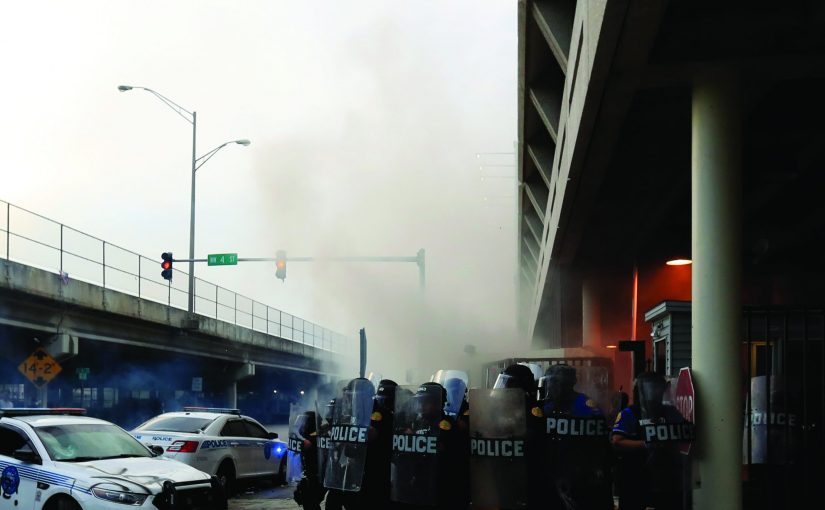
Between 2010 and 2025, public order policing has undergone a profound—yet often unheralded—transformation. In some parts of Europe and the United States, the traditional logic of “crowd control” has come under increasing scrutiny, challenged by new science, political pressure, and the hard lessons of tragedy.
In the United Kingdom, the turning point came in 2009, when the death of newspaper vendor Ian Tomlinson during a G20 protest triggered public outcry and a formal inquiry. That moment exposed how outdated assumptions about “mob psychology” were still shaping police command decisions—often with disastrous results. In response, British policing began a fundamental shift toward evidence-based approaches grounded in behavioral science, particularly in crowd psychology. Over time, this led to the development of nationally accredited training programs, revised doctrine, and new strategies and tactical models focused on dialogue and facilitating peaceful assembly rather than merely controlling perceived threats through use of force.
In order to access the rest of the article sign in with your IACP or Subscriber credentials.