

Body-Worn Cameras Then and Now
A 10-Year Retrospective and Future Directions
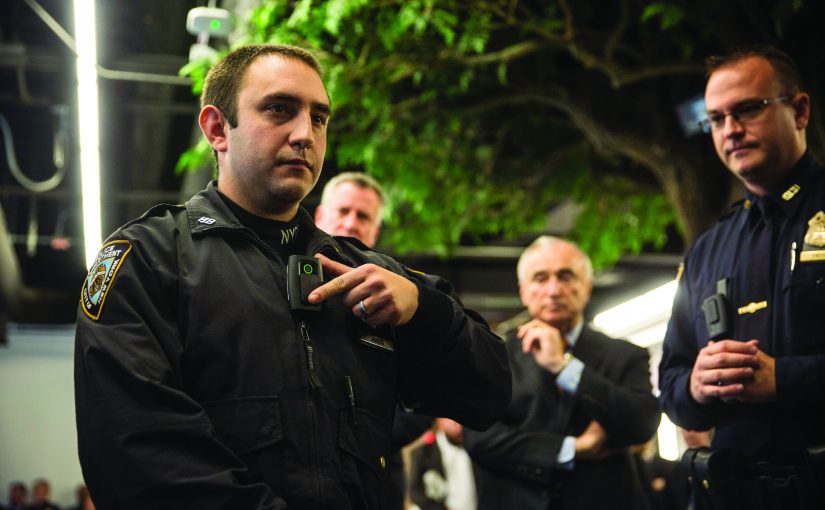
Prior to 2013, body-worn cameras (BWCs) were a technology solution looking for a problem. Now, in 2025, BWCs are a widely accepted tool for evidence collection and accountability utilized by many police agencies in the United States and across the globe. Although BWCs were in use in the United Kingdom and Canada in the mid-2000s, manufacturers were initially unable to get buy-in from U.S. police agencies until a cascade of highly publicized incidents of lethal use of force occurred just over a decade ago.1 From the inclusion of BWCs in the 2013 judicial order by Judge Shira Scheindlin in the stop-and-frisk case Floyd v. City of New York to being among the recommendations put forth by the President’s Task Force on 21st Century Policing, BWCs became the go-to solution to address community concerns of police transparency and accountability following the deaths of Michael Brown in Ferguson, Missouri; Freddie Gray in Baltimore, Maryland; and Walter Scott in North Charleston, South Carolina.2 Subsequent federal funding streams flowing from the President’s Task Force on 21st Century Policing helped mitigate the initial cost associated with implementing a BWC program for police agencies of all sizes.
Within a few short years, 47 percent of U.S. police agencies had invested in BWC programs; for large agencies, that number was 80 percent.3 Initially, BWCs were supported by communities but met with resistance from officers, and the technology was considered an unreasonable change in working conditions by some police unions due to concerns centered around how BWC video would be used for officer oversight and as evidence of misconduct.4 Over the years, officer perceptions have changed and BWCs are now viewed as an essential tool for officers in collecting evidence and dispelling complaints from the public.5 Research has shown that there is a difference in officer perceptions on whether wearing a BWC will affect their decision to use force when asked about their own personal behavior versus officer behavior in general, showing that officers in general did not think wearing a BWC would affect their behavior because they consider themselves to be professional but, in general, they believe it would affect officer behavior in a global sense.6
In order to access the rest of the article sign in with your IACP or Subscriber credentials.