
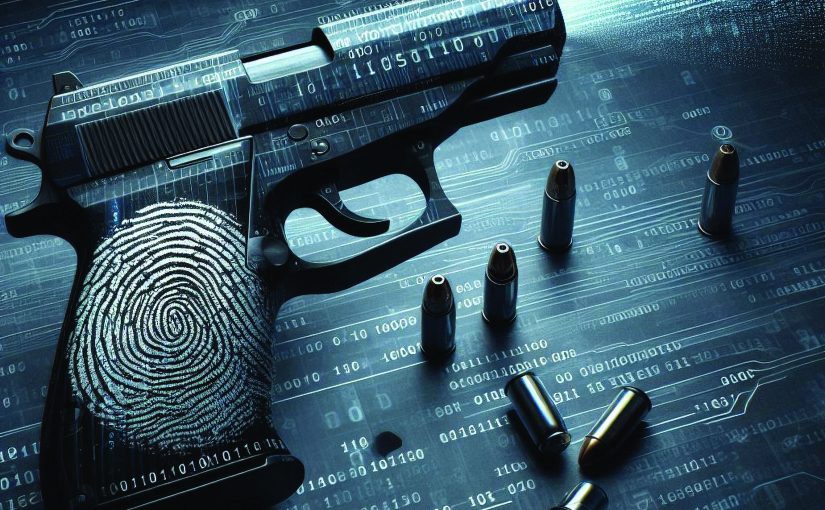
Imagine a crime scene where a fired bullet or cartridge case could unlock the entire story, linking a local homicide to a drug cartel across the border or even tying together a transnational network of violent offenders.
In the early 1990s, this would have required painstaking manual work by forensic experts and sheer luck. Today, thanks to the evolution of automated ballistic identification technology, those connections could be the key to a breakthrough in just minutes.
The Development of Transformative Technology
In 1997, the Bureau of Alcohol, Tobacco, Firearms and Explosives (ATF) established the National Integrated Ballistic Information Network (NIBIN) to provide U.S. local, state, tribal, and federal law enforcement agencies with access to an automated ballistic imaging system. This cutting-edge technology plays a crucial role in reducing violent crime by allowing investigators to link ballistic evidence from different crime scenes across the United States.1
In order to access the rest of the article sign in with your IACP or Subscriber credentials.