

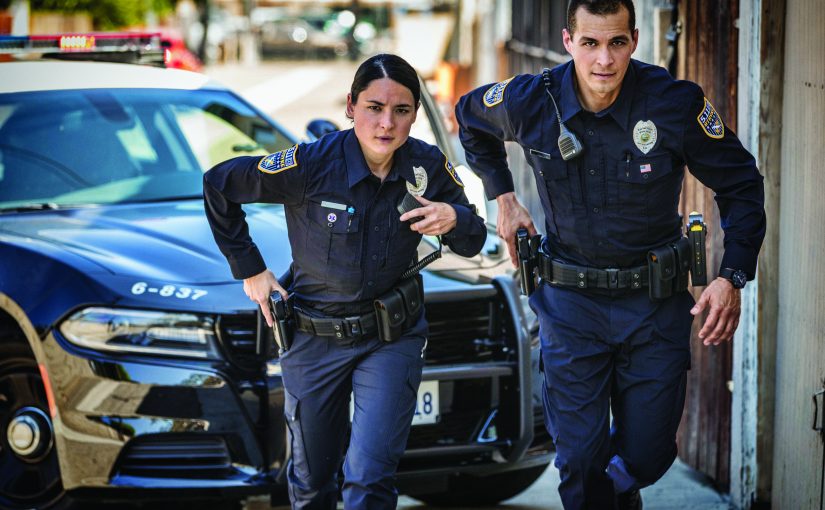
Tragic use-of-force (UOF) incidents highlight the need for change and accountability. Revised UOF policies, body cameras, and heightened scrutiny of misconduct are meant to create a safer, more just environment. Yet, some well-intentioned reforms have had unintended consequences. UOF overhaul is one example that has created a climate of unrelenting critical examination and, consequently, significant officer UOF hesitancy.
Viral videos and the accompanying social media outrage further intensify operational use-of-force hesitancy, reinforcing the necessity for agencies to equip officers with the tools required to meet public expectations and fulfill their obligation to apply force lawfully and appropriately. One such tool is the implementation of Modern Police Compliance Control Tactics (MPCCT), a framework designed to enhance de-escalation and provide structured, principled control when the use of force becomes unavoidable.
MPCCT principles offer a simple yet robust framework to help officers navigate complex situations. Officer actions must uphold a suspect’s constitutional rights, while protecting both first responders and the communities they serve. Modernized training principles focused on gaining verbal compliance paired, when necessary, with simple, effective, reality-based control tactics can significantly contribute to promoting positive policing. Constructive outcomes, in turn, enhance career security for police officers.
Good Cops Face Unprecedented Challenges
Most police officers enter the profession with a sincere desire to protect and serve. They risk their lives daily, often taxing their mental health by witnessing the worst that society has to offer. The majority of officers understand that effective community policing requires a blend of common sense, empathy, emotional self-regulation, and diplomacy carried out by both their words and physical comportment. However, the bottom line is that some people will not obey the law and will ignore lawful commands. In these situations, objectively reasonable force becomes the only solution. As a result, when an officer’s attempt to reason and de-escalate fails, physical action is required. Invariably, when an officer uses physical force, it no longer leads to a reasonable UOF examination but extreme scrutiny. Such scrutiny invites a tendency to generalize, publicize, and sometimes sensationalize adverse incidents, thus casting a long shadow over every UOF interaction.
- Historical Context: The use of force by police is a multifaceted issue. While the public recognizes that officers occasionally must resort to physical coercion to uphold the law, history reveals that this authority can sometimes result in excessive force and discriminatory practices. Tragic events such as the deaths of Michael Brown (2014), Eric Garner (2014), and George Floyd (2020), among others, have intensified the call for significant reform regarding the UOF.
- The Burden of Scrutiny and the Loss of Discretion: Any UOF incident, even when justified, invites intense public review and second-guessing. This erodes the core of effective policing: the officer’s ability to exercise discretion, assess situations rapidly, and take proactive measures to prevent crime and ensure public order.
- Caught Between Duty and Public Perception: Officers find themselves in an impossible position. They want to do their job effectively, but the fear of public vilification and unfair accusations can lead to hesitation when decisive action is required.
- When UOF Reforms Do Not Work as Intended: The current legal and legislative landscape often needs to distinguish between justified force and the potential for viral outrage. Without proactive steps to clarify this distinction, crime will likely increase. Criminals become emboldened, and the most vulnerable communities pay the highest price for well-meaning measures that unintentionally undermine effective policing.
Creating a Balance and Avoiding Universal Condemnation
While bad actors in uniform should be held accountable for their actions, policymakers and the public should avoid the trap of presuming all unfortunate or bad outcomes can be second guessed using 20/20 hindsight. It is crucial to avoid embracing a primary focus centered on “gotcha” moments or questioning an officer’s intent at every turn. This chilling effect could decrease safety for all parties. To create balance, there must be the following elements in place:
- Independent Internal Reviews: Actions must be assessed within their full context, considering the realities of split-second decisions.
- Policy Crafted with Experience: Veteran officers must help create rules that balance public safety juxtaposed with the dangers they face.
- Officer Mental Health Support: It is not a luxury but key for clear judgment and the well-being of officers and those they encounter.
- Public Education: Education should promote understanding of policing complexities to counter knee-jerk social media reactions.
Transparent and Fair UOF Review
Imagine an officer facing a suspicious individual. Is this person a potential threat or simply someone on their way home? In a climate where even justified interventions can lead to public outcry, an officer’s hesitation is understandable. Thus, the police profession must advocate for a rational, commonsense balance and not divert to outrage over reason. It’s vital to empower good officers to do their jobs effectively while not shielding bad officers.
The following four key training and tactical components can build decisive officers with a focus on minimizing harm:
- De-escalation as a First Priority: All officers need comprehensive training in crisis communication, mental health awareness, and conflict resolution. These skills are the foundation for reducing the need for force.
- Modernized Response Skills for Diverse Situations: Systems like Police Krav Maga or jujitsu offer a broader range of techniques. They emphasize patience, safe restraint, and proportionate force, empowering officers to maintain control in varied situations.
- Adoption of Noninvasive Restraint-and-Control Technologies. A prominent example of a practical, non-invasive technology is the GLOVE (Generative Low Output Voltage Emitter), an ECD (electronic control device) that uses cardiac-safe electrical stimulation applied to bare skin to gain compliance without the need for officers to use strikes, severe joint locks or other injurious tactics.
- Realistic, Scenario-Based Training: Regular training under stress builds proficiency in de-escalation and control tactics. This prepares officers for scenarios where individuals willfully ignore lawful commands, giving them the confidence to act decisively.
Crucially, this approach is not about lowering standards, excusing misconduct, or protecting bad cops. The end capability should be simple yet effective system-based principles that support good officers, protect communities, and help bridge the current divide between public expectations and the realities of modern policing. This holistic training approach creates confident officers equipped to safely resolve threats, consequently reducing injuries and liability while building community trust. Change takes innovation, investment, and collaboration between police personnel and proven trainers. Officers need a system combining decisive de-escalation tactics and objectively reasonable control options for volatile moments.
Policing’s Paradoxical Mandate
Policing is dangerous, and in some cases, swift action is demanded. Inaction is not always the safest outcome; it may leave potential victims and officers unprotected. Policing has become an almost paradoxical task: maintaining a professional demeanor while de-escalating or arresting an uncooperative subject who may be combative at the time of their detention. Compounding the difficulties officers face, a noncompliant subject may be under the influence of a controlled substance, making it impossible to reason with the person.
Largely due to training gaps, a small but glaring global problem persists in the policing community: the use of unwarranted excessive force and unjustified use of lethal force. The public has a difficult time understanding the challenges of physically controlling someone who does not wish to be controlled, let alone someone who is highly combative. Modern police compliance and control training programs must address this void.
The popular demand for kinder, gentler policing when juxtaposed against the police’s duty to control and detain lawbreakers creates a high-wire balancing act, often performed without a safety net. Of course, attitudes toward policing are an important barometer of the need for and success of police reforms. Pew research suggests that only 44 percent of U.S. adults agreed that police do an “excellent or good job” in using the “right amount of force in each situation.”1 Public perception often does not comport with reality. This is especially true when we examine police interactions and claims of everyday excessive UOF cases using statistical analysis.
On average, more than 60 million public and police interactions happen each year in the United States. A 2018 study examined more than 1 million police actions in which police used physical force less than 1 percent of the time. Ninety-eight percent of noncompliant suspects who were arrested “sustained no or mild injury.”2 Yet, the 2 percent who were injured and those killed by police remain a national problem in the headlines. Hence, police agencies are under consistent scrutiny and pressure to reform.
Better UOF Training Is Required
Police officials know that unavoidable UOF incidents can—and will—result in injury to both suspects and officers. Many of these injuries and consequent public ire could be avoided with better training. As the media is keen to document, sometimes officers lack the ability, confidence, and mental discipline to use reasonable hands-on restraint-and-control methods. The Tyre Nichols (2023) and George Floyd tragedies underpin the need to improve training standards. Higher UOF options (including piling on vital areas along with baton, OC spray, and taser use) are all too often used indiscriminately. The following three interwoven facts require consideration:
- In the United States, the average police cadet receives at most 60 hours of defensive tactics (DT) training, including de-escalation methods.
- When joining a police agency, an officer usually receives just four to eight hours of refresher UOF training each year.
- There is no national or state standard that mandates sworn officers receive recurrent de-escalation/DT training.
That minimal cadet training is all they get—so it must be effective, practical, optimized, and constitutionally underpinned by the Fourth Amendment, with sequential emphasis on best practices such as
- prescribing practical, peaceful, and law-abiding solution options;
- deconfliction and de-escalation communication; and
- when necessary, using objectively reasonable force to thwart violence/resistance to lawful orders.
How to Modernize Police UOF Training
To successfully modernize and optimize UOF policies and practices for today’s police officers, professional mandates, efficiency standards, and legally defensible requirements must be squared with expectations of both lawmakers and the public. There is no denying that police officers deal with conflict—including physical confrontations—on a daily basis. Amid this environment of communal conflict and investigation, officers must be able to perform their duties as effectively as possible using a form of MPCCT, while still maintaining their professionalism at all times. The former requires efficient hands-on skills, while the latter necessitates mental resiliency, coping strategies, and cogent decision-making.
Therefore, in navigating modern society’s demands of the police, it is imperative to align the police officer’s responsibilities with the public’s expectations of safety and justice. What is needed is more than merely equipping police with de-escalation and compliance techniques. Instead, it is essential to integrate and refine simple, practical, physical, control tactics into their training.
One cannot approach every situation with the same tool, akin to the notion that if all one has is a hammer, every problem is a nail. Hence, a few core, yet comprehensive, adaptable unarmed tactics must be provided. These encompass various aspects of physical confrontation: distance management (far, medium, close); spatial awareness (open, medium, comprehensive); and levels of engagement (standing, on the ground, armed encounters). This modernized approach synthesizes simple, practical, evidence-based police compliance and control tactics. It emphasizes the fusion of de-escalation strategies with effective control measures, incorporating time, distance, and situational dynamics considerations.
Adopting Noninvasive Restraint-and-Control Technologies
The direction of restraint technology is toward noninvasive, nonlethal devices and tactics that improve de-escalation, minimize pain or injury, and support officer decision-making. These emerging technologies are transforming not just how police restrain noncompliant individuals, but also how they keep all involved parties safer. In particular, electronic control devices (ECDs), also known as electronic control weapons or conducted energy devices, are used in policing as less-lethal tools to help officers gain control over individuals threatening resistance, presenting a danger to themselves, or actively resisting.
When an ECD such as the GLOVE touches bare skin, electrical pulses send signals that affect the sense of touch within the peripheral nervous system. These signals are then transmitted to the body’s central nervous system (spinal cord and brain), achieving neuro peripheral interference. The stimulated physical discomfort is usually effective in bringing individuals into compliance in a matter of seconds and leaves no burns, marks, or scars. In sum, the use of ECDs serves as a highly effective “intermediate force” option—between empty-hand tactics and deadly force—utilizing incapacitation or pain compliance through electrical impulses.
Of course, any adoption of new technologies must be accompanied by sound policy in their use ensuring lawful, effective, and safe deployment under strictly controlled circumstances. Strict usage guidelines must include the following:
- Authorized circumstances for use wherein ECDs may be used only by trained personnel and only to overcome active resistance, its threat, or assaultive behavior or a threat of bodily harm to officers or others. Officers must be able to articulate the reasons for ECD use based on the subject’s behavior, environment, and other relevant factors.
- Passive resistance alone does not justify ECD use. The subject must be physically counteracting officers’ efforts or pose a risk that creates potential for harm.
- ECDs may not be used for coercion, intimidation, awakening unconscious or intoxicated people, escorting/prodding, or extracting evidence or contraband.
- ECD use is prohibited against vulnerable populations, including visibly pregnant women, small children, and elderly people, as well as in risky environment, such as subjects in elevated positions, in water, or operating vehicles or when a fall could cause serious injury or death.
- Where feasible, officers should provide a verbal or visual warning (or both) before ECD deployment and give the subject an opportunity to comply.
- Application of an ECD to the head, neck, and groin should be avoided except when deadly force is justified.
- Officers should use reasonable care to avoid secondary injuries, such as falls after incapacitation.
- Every use of an ECD must be thoroughly documented, including the reason, circumstances, number and duration of ECD cycles, injuries, and subsequent care.
The Essential Features of MPCCT
MPCCT is a comprehensive system that draws technique from Police Krav Maga which has strong jujitsu roots. Its core features, which significantly enhance compliance and control tactics, are as follows:
- The use of techniques that are instinctive, simple, retainable, and not strength dependent. Simple is effective and effective is what works.
- A focus on a few adaptable tactics using positioning, distractions, angles, and leverage to protect the officer and quickly assert control of a suspect.
- The use of techniques that do not cause injuries and thus are defensible in court.
- Academy-taught principles that are readily digestible for in-service training, providing officers with the ability to work in concert using practical, intuitive movements.
Implementing MPCCT necessitates a deep understanding of the officers’ survival needs, including fear response, along with prioritizing community concerns. Police officers confront conflict regularly and require professional intervention capabilities coupled with sound judgment skills for use under pressure. Hence, the principles of MPCCT are grounded in de-escalation, emotional regulation, measured control, implicit bias awareness, and procedural justice. These are pivotal in fostering accurate situational assessment and aligning policing practices with public expectations.
MPCCT programs must center on proactive de-escalation techniques. Tactics that could foreseeably cause injury or rely on excessive force should not be utilized.
Essential to any compliance and control tactics program is mental training to enhance both self-mastery and de-escalation skills, coupled with critical decision-making. The following are a few resiliency training points that should complement any DT program:
- Critical assessment and incident planning begin with emotion management.
- Anger and anxiety place the body in a similar physiological state. Therefore, tactics to alleviate anxiety may also be used to defuse anger.
- Officers can affect label themselves or mentally articulate deleterious emotions (Examples: “I am angry” or “I feel disrespected”) to prevent acting unconsciously. Doing this, along with diaphragmatic breathing, can calm the officer to slow down automatic reactivity. The key is to differentiate reacting (irrational) vs. responding (rational).
- Honing noncontact verbal communication/persuasion skills can help officers calm agitated subjects, while exhibiting a genuine willingness to listen and respond to questions and reinforcing that a suspect should be
- presented with choices rather than threats,
- asked rather than being told to do something, and
- provided an explanation as to why they being asked to do something.
- Use time as a de-escalation (adrenaline reduction) tactic to promote patience, reflective listening, and officer emotional regulation to offer a possible non-UOF resolution. When feasible, this may include establishing a safety zone (strategic redeployment) around a suspect, allowing for safe distance assessment and action to avert possible UOF and gain compliance.
- Avoid unnecessary displays of compliance tools and firearms.
- Issue a clear legal warning stating the consequences of noncompliance to a lawful order, including that force will be used, thus allowing a reasonable opportunity to comply.
- Recognize that emotionally disturbed persons, people under the influence of alcohol/narcotics, and an individual’s general mental, physical, developmental, or intellectual disability, and other conditions, including the suspect’s age, collectively may affect the person’s ability to communicate or comply with an officer’s lawful demands.
For the average police officer, there is simply not enough training time or stamina, especially when recently out of the academy, to learn and inculcate complicated moves that require above-average athletic prowess. The tactics that a spry mixed-martial arts fighter or ground fighting specialist can do in a ring are often a far-cry from what an average, uniformed, fully equipped officer can do on the street. Researcher Bruce Siddle points out that the average officer has about 12 seconds of maximum exertion or “burn time” until fatigued.3 Thus, tactics have to be immediately effective and also allow for patience, when necessary, so that officers do not feel compelled to use unwarranted higher levels of force.
When facing noncompliance, the goal must be for an officer to achieve a strong control position to end the confrontation quickly and decisively, thereby avoiding any escalation. A few core, practical, and adaptable tactics designed to be applied to the most typical situations must work equally well for a larger officer or for a smaller officer trying to restrain and control a much larger and stronger suspect. A legally grounded MPCCT cannot incorporate choke holds, neck restraints, extended body-weight compression, or closed-fist strikes to the head (with the exception of deadly force encounters that would also justify use of the additional tools on an officer’s belt). An emphasis to avoid these often injurious and sometimes lethal tactics must be interwoven throughout any DT training.
Effective MPCCT-based programs empower officers to use objectively reasonable force levels, including safe restraint techniques, to achieve compliance, while minimizing injury risks. Such programs emphasize that UOF is subject to public and internal scrutiny. MPCCT aims to equip officers with effective, defensible skills aligned with professionalism and community trust, ensuring positive perception even amid criticism.
MPCCT-based training provides for an all-important reasonable force DT multiplier effect by establishing a few core tactics that can handle myriad physical challenges officers face. Positioning, angles of approach, non-injurious lower-quadrant distractions, and using one’s body weight effectively are a collective sine qua non for implementing effective tactics when coupled with emotional regulation and strategic patience. Fusing these strategies with a basic understanding of human hinge (e.g., elbow, knee) and ball-and-socket (e.g., shoulder, hip) joint movements allows for the successful application of a few proven, objectively reasonable controlled descents and escorts to successfully control a suspect. Practical UOF reform training can create a safer, more just, policing environment. Greater confidence in de-escalation tactics and, when necessary, legally grounded UOF is instilled in both officers and the public—a true win-win.
Notes:
1Hannah Hartig and Andrew Daniller, “Before Release of Video Showing Tyre Nichols’ Beating, Public Views of Police Conduct Had Improved Modestly,” Pew Research Center, February 3, 2023.
2The research published by the Journal of Trauma and Acute Care Surgery concludes that police UOF and resulting significant injuries are rare. William P. Bozeman et al., “Injuries Associated with Police Use of Force,” Journal of Trauma and Acute Care Surgery 84, no. 3 (2018): 466–472.
3(a)Everything You Need to Know About Exercise and Fatigue – https://www.acefitness.org/certifiednewsarticle/2948/everything-you-need-to-know-about-exercise-and-fatigue/
3(b)Fatigue in repeated-sprint exercise is related to muscle power factors and reduced neuromuscular activity – https://www.researchgate.net/publication/5484898_Fatigue_in_repeated-sprint_exercise_is_related_to_muscle_power_factors_and_reduced_neuromuscular_activity
3(c)Bioenergetic systems – https://en.wikipedia.org/wiki/Bioenergetic_systems?utm_source=chatgpt.com
Please cite as
David Kahn and Nicholas Capriglione, “Modern Force Tactics for Safer Policing,” Police Chief Online, February 11, 2026.