

Securing the Digital Frontier
Innovation, Trust, and the Imperative of Sustainable Funding
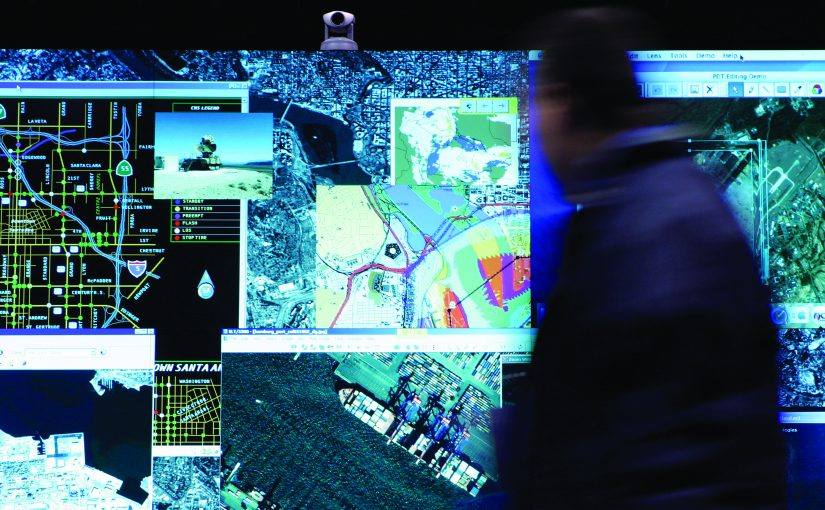
Digital transformation is reshaping modern policing. Technologies such as advanced digital forensics, body-worn cameras, license plate readers, and artificial intelligence (AI)–driven analytics enhance public safety and operational efficiency. However, police leaders are expected to quickly adopt these tools to combat emerging digital crimes while also maintaining public trust and financial stability.
To facilitate this transition, police executives can begin by taking several initial steps. Conducting a comprehensive needs assessment can guide informed decision-making for technology acquisition. Establishing a dedicated committee of technology experts within the department can help assess current capabilities and identify gaps. Engagingthese stakeholders early can ensure a collaborative, agency-wide approach to implementing digital tools effectively. Last, the success of digital policing heavily relies on creating sustainable, innovative funding models that go beyond traditional taxpayer funding to include violator-funded programs.
The Hudson, Colorado, Police Department (HPD) understood the importance of forming a technology committee and involving key stakeholders in the selection of its new records management system (RMS). This committee included representatives from the Patrol Division, Administrative Division, Property & Evidence, Records, and court staff, which enabled effective collaboration to identify the most suitable RMS for HPD’s specific needs. This teamwork ensured all members felt engaged and heard, fostering a sense of ownership. As a result, HPD’s RMS Selection Committee made well-informed decisions and selected the best system for the agency.
In order to access the rest of the article sign in with your IACP or Subscriber credentials.