

When Policing Goes Viral
Building an Organizational Response to Online Harassment and Officer Well-Being
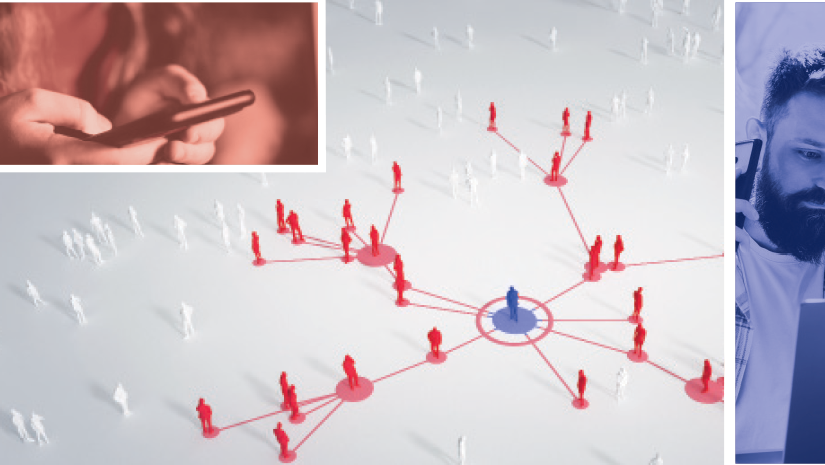
Over the past two decades, social media has reshaped the policing landscape in ways that few agencies anticipated but must now confront. In Canada, 95 percent of adults maintain at least one social media account. Platforms such as Facebook, YouTube, Instagram, and TikTok dominate daily life, with Canadians spending an average of nearly two hours per day on social media. The widespread use of these platforms means that police work now unfolds on two fronts: the traditional physical environment in which officers operate and the online realm in which their actions—and identities—can be captured, shared, edited, debated, and sometimes weaponized within minutes. What once would have been an isolated interaction between an officer and a member of the public can now become viral content before a patrol shift even ends. For the officers behind the uniform, this digital exposure brings heightened risks such as online harassment, doxxing, misinformation, reputational attacks, and persistent unwanted attention that can penetrate deeply into their personal lives.