

The Limits of Duty
When 911 Becomes the Answer to Everything
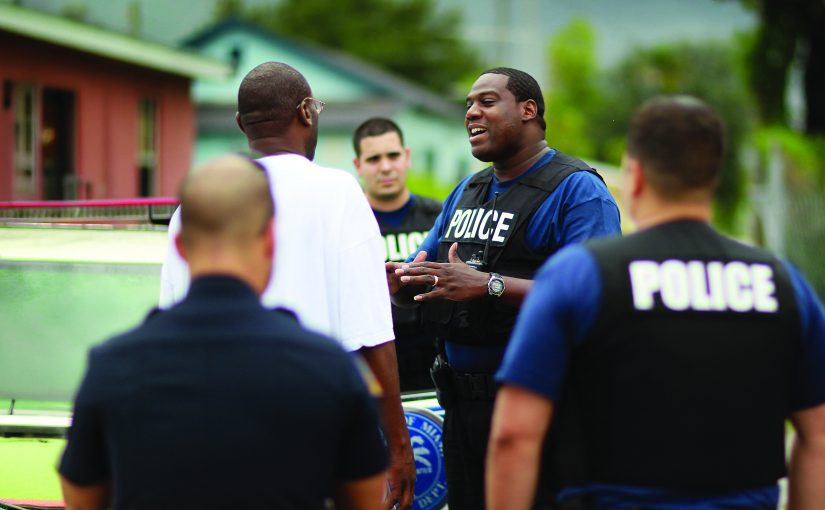
One challenge in modern policing is recognizing issues before they go awry. The time has come to embrace the reality that all of society’s problems cannot be resolved by a single call into dispatch. Police agencies must limit exposure to expanded liability by understanding the Public Duty Doctrine and what actions create unintended “special relationships.” Absent a special relationship that creates a special duty, the police have no legal duty to control the conduct of others. It is essential for chiefs and sheriffs navigating this complex legal terrain to balance policy decisions, liability risks, and the reflex to dispatch police officers to every 911 call. This article examines “special relationships” and their application to police response—particularly in noncriminal mental health calls—and provides guidance for police leaders navigating this delicate resource allocation issue.
The Legal Framework: Understanding Special Relationships
The U.S. Supreme Court held in two seminal cases, DeShaney v. Winnebago County Department of Social Services and Town of Castle Rock v. Gonzales, that state failures to protect do not trigger constitutional protection under civil rights statutes.1 The unintentional expansion of the role of police officers responding to calls for service where there is no public duty, and no crime in progress or to investigate, provides a basis for unnecessary criticism and liability.
The public has developed the expectation that the only prompt and reliable public resource is the police. Action taken due to fears of liability, without understanding the law, can lead to a police response that might not be the appropriate government resource and may expose the agency to unnecessary liability. Unfortunately, if a call for service requiring a social services need instead receives a police response, and it results in serious bodily injury or death, agencies will face criticism for responding to situations beyond their proper scope. Regrettably, well-intentioned responses can still result in liability and negative public perception.
The General Rule: No Duty to Protect Individuals
Generally speaking, police don’t have a constitutional duty to protect any specific individual—their duty is to the public as a whole. Courts have consistently held that officers aren’t personally liable when they fail to respond to calls, investigate crimes, or prevent harm, unless they made a promise to protect someone and that person relied on it.2 To prove negligence against the police, three things usually need to be shown: (1) the officers had a duty to act, (2) they failed to meet that duty, and (3) that failure directly caused the injury.3
In order to access the rest of the article, sign in with your IACP or Subscriber credentials.