

Victim-Centered Counterterrorism Response
Operational Lessons for Law Enforcement Leadership from 9/11 and Beyond
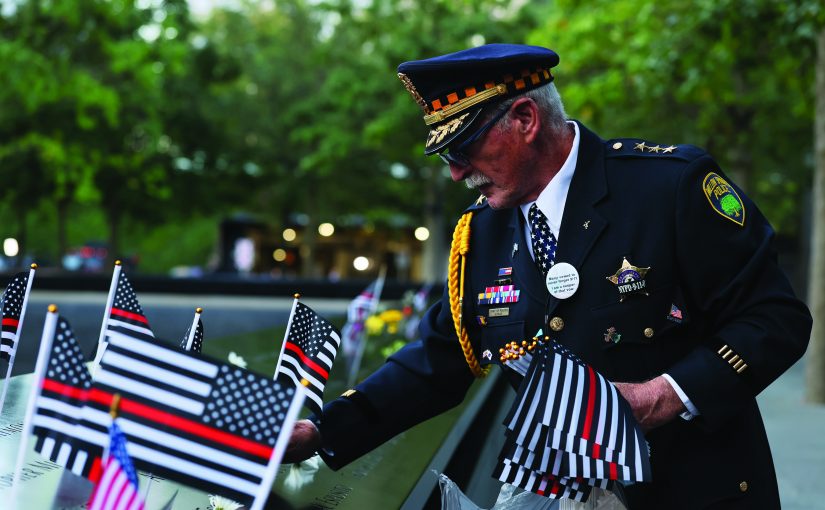
The continuing impact of terrorism—25 years on from the 9/11 attacks—still haunts victims and survivors, family members, local communities, and first responders. Understanding the devastating impacts is shaping pre- and post- attack responses. significant advancements have occurred in the realm of intelligence-led policing. The 9/11 attacks revealed the need to close gaps in intelligence sharing, leading to partnerships being forged, such as the Five Eyes. Lessons have been gleaned as to the importance of integrating a victim-centered response in the short, medium, and long term.
The evolving definition and nature of terrorist threats demand a victim-centered response that is predicated on effective communication; integrated response models; and coordinating resources, knowledge, and training. This response will need to evolve as technology changes, as new threats emerge, and the needs of those affected change. The victim-centered approach will require each agency to continue to evaluate its role in stopping these types of attacks and to embed a victim-centered approach into its operational responses that reduces re-traumatization, improves policing outcomes, and builds public trust.
Police services play a pivotal role across all phases of response to a terrorist incident, with particular importance during the initial phase. Police communications, victim identification, and coordination efforts all significantly shape not only the recovery process but how those impacted by the incident perceive the actions of the police and other responders—specifically, whether those actions were appropriate, justified, and trustworthy. Therefore, it is imperative that police services develop and implement victim-centered practices to avoid undermining trust with affected members of the community; to limit secondary harm caused to victims; and ultimately, to ensure effective delivery of future policing operations. Le Learnings from the 9/11 attacks, the Boston Marathon bombing, and other terrorist events, along with relevant studies, necessitate the use of a victim-centered framework for organizational and operational implementation. To be successful, a victim-centered response to terrorism must be reinforced by policing leadership and integrate community partnerships.
In order to access the rest of the article, sign in with your IACP or Subscriber credentials.