

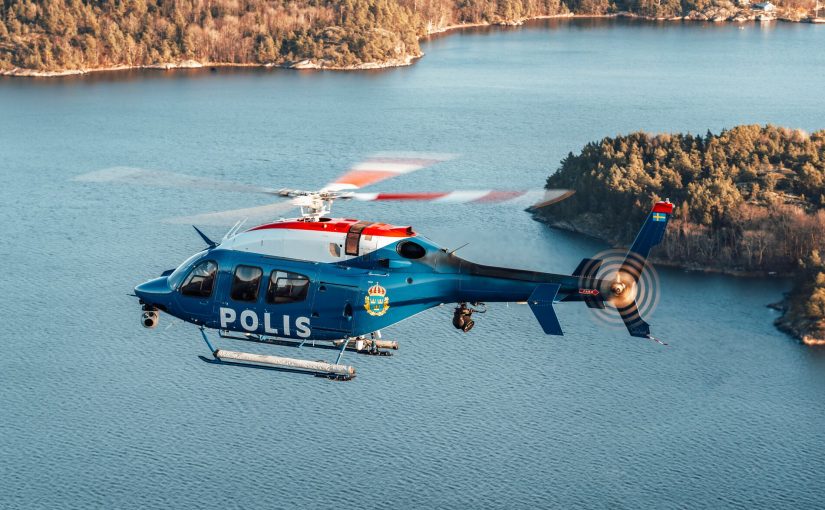
For any police agency or public safety organization, investing in its aviation capability is a significant strategic decision. Advanced rotorcraft can transform the way a force protects the public, supports officers on the ground, gathers intelligence, and responds to fast-moving incidents. Airborne resources also shorten response times, extend operational reach, and provide commanders with a perspective that simply cannot be achieved from the ground.
Yet, while the value of airborne law enforcement is widely understood, the challenge of configuring the aircraft itself is often underestimated. Unlike many commercial rotorcraft, there is no universal or standard public safety configuration. The right aircraft is not simply the one specified with the most equipment. It must be configured deliberately around the missions it is expected to perform and the environment in which it will operate.
Defining the Mission Before Configuration
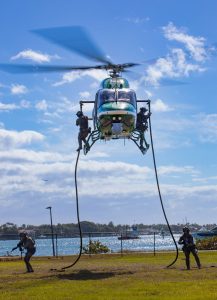 The starting point for any public safety organization must be a clearly defined mission profile. Every unit is built to serve an operational purpose, and no two forces face identical demands. A configuration that is right for a largely urban force may not suit one covering remote communities, mountainous terrain, coastal borders, or extreme seasonal weather. For that reason, agencies should begin by defining what success looks like and avoid adopting a generic specification or replicating another operator’s specification.
That process starts with a series of practical questions. What is the primary mission? What proportion of annual flying hours will it represent? Which secondary missions must be supported and how frequently are they likely to occur? The answers may position the specification towards different use cases, such as routine patrol, pursuit support, search and rescue, counter-terrorism support, border activity, tactical operations, medical assistance, disaster response, initial attack aerial firefighting, or a combination of several missions.
Once those requirements have been defined, the operating environment must be examined in detail. Geography, climate, regulation, airspace, infrastructure, and legal requirements all influence the configuration. A service operating in high temperatures will have different performance considerations from one flying in cold conditions. A force responsible for mountainous terrain will have different requirements from one working mostly over dense urban areas.
Fleet size is another important factor. Smaller fleets usually require aircraft that are multi-role and can shift between mission types at short notice. Larger fleets may allow individual aircraft to be specialized for a particular task. Clarifying the mission from the start prevents both under-equipping and over-equipping. It also helps avoid unnecessary cost, avoidable weight, and future compromises that can hamper an aircraft throughout its service life.
A well-defined mission profile provides the information needed to make informed decisions and ensures the helicopter remains effective, safe, and relevant long-term.
Maximum Gross Weight Considerations
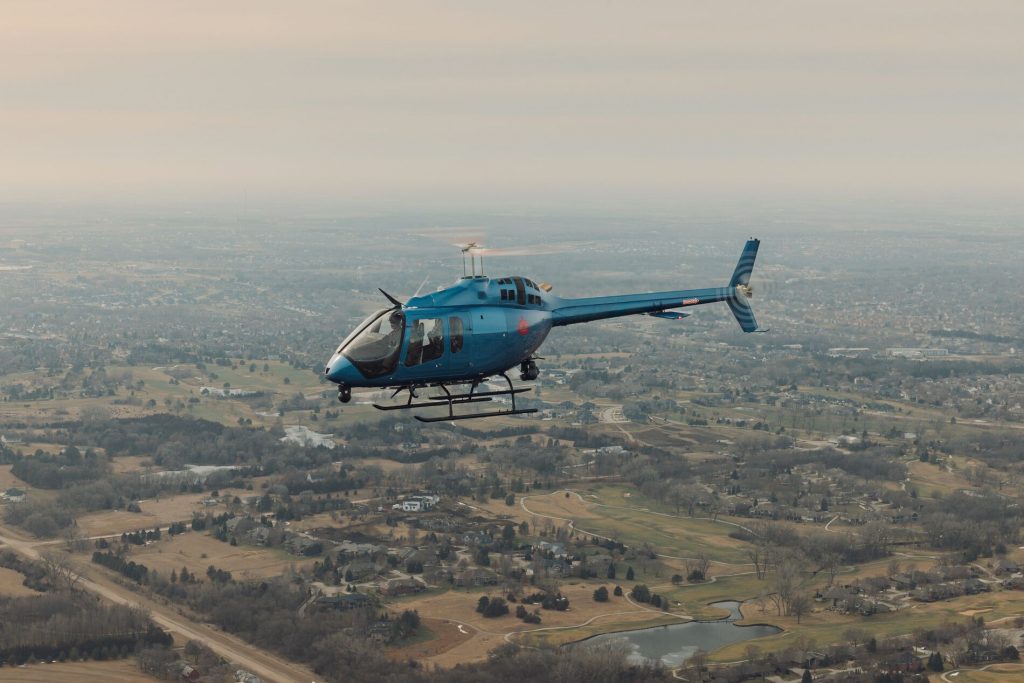 Every item added to an aircraft has an effect. Cameras, mission computers, radios, searchlights, hoists, medical equipment, tactical equipment, and storage systems all add weight and complexity. That weight influences range, endurance, fuel burn, hover performance, and payload capacity. In public safety operations, where crews may be asked to respond quickly, remain on scene for extended periods, or operate in demanding environments, those performance aspects can be crucial.
Public safety aircraft are often required to work close to the limits of their performance. Search activity, tactical support, high-altitude operations, and rescue work can all make weight one of the most important considerations in the configuration process. Responsible weight management is about ensuring the aircraft can deliver the capability that matters most, without compromising safety or operational effectiveness.
The most effective configurations are those that give crews the tools they need but avoids any burdens by infrequently used equipment.
An optimized solution will look different for every agency, but the principle remains the same: The aircraft should be built around the mission. The most capable aircraft allow the crew to operate safely, communicate clearly, gather the right information, and support officers when it matters.
The Eye in the Sky
The camera is often the centerpiece of airborne law enforcement. It enables crews to track suspects, search large areas, support on-demand decisions, and provide evidence. However, camera systems vary significantly in cost, weight, range, and capability. Agencies need to consider the resolution required; the likely operating conditions; the need for thermal imaging, laser pointing, or blended imagery; and how the system integrates with mission computers and displays.
The decision should incorporate these factors and determine how the camera supports the crew’s workflow, how information is shared with commanders, and how quickly it can be turned into operational action.
Communication Systems
Police agencies depend on reliable communication with ground units; control rooms; partner agencies; and, in some cases, national or federal partners. Agencies must identify which frequencies are required;;whether encrypted communication is necessary, and how pilots, tactical flight officers, and operators will communicate internally. A communication system that appears sufficient on paper can quickly become a limitation if it does not reflect the complexity of real operations.
Specialized Equipment for Unusual Mission Demands
Depending on the agency, the aircraft may also require specialty equipment such as hoists, cargo hooks, firefighting tanks, medical equipment, secure storage, or mission-specific seating. Each addition can bring valuable capability, but each can also add cost, certification requirements, training requirements, and weight.
Not every aircraft needs every option. In many cases, an aircraft should be configured around the most critical mission, with flexibility built in where it is genuinely useful. This is why mission prioritization is so important and why working with an experienced partner can highly benefit the success of the aircraft or operation.
Keeping Ambitions Grounded and Flexible
In an ideal world, public safety agencies would operate large fleets with each aircraft configured for a particular role. The reality is usually different. Budgets are critical; procurement decisions are scrutinized; and the costs of training, maintenance, and operation should be planned and optimized before the aircraft is delivered. Configuration decisions need to reflect both operational ambition and economic limitations.
A police helicopter is a long-term asset. It may remain in service for decades, during which time technology, public expectations, and priorities may change. Agencies should not attempt to predict every future requirement but should consider adaptability. Failing to anticipate reasonable future needs can create operational limitations later in the aircraft’s life.
Choosing the Right OEM Partner
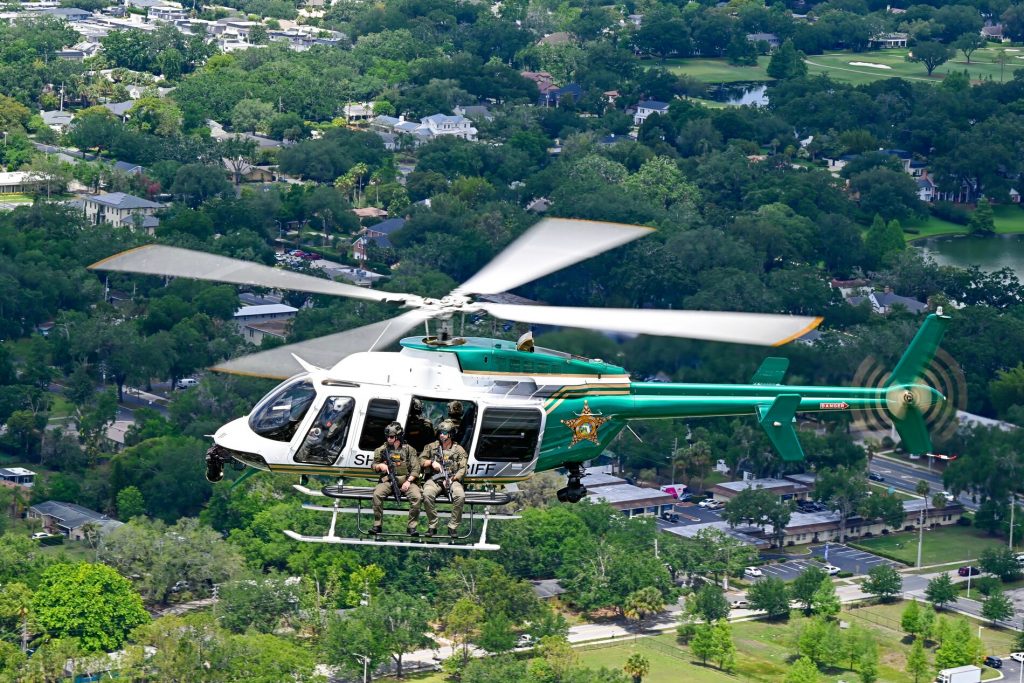 The choice of original equipment manufacturer (OEM) is fundamental to the success of the project. Some manufacturers offer broad configuration flexibility, allowing agencies to select equipment and mission systems that closely match their requirements. Others provide more limited or pre-selected options, which can shape or in many cases restrict the operational role of the aircraft. A flexible, mission-focused OEM approach gives agencies greater control and helps ensure that the helicopter serves the mission, rather than just hoping the mission will fit the aircraft.
Agencies should assess not only the aircraft platform, but also the availability of certified options, integration support, and upgrade pathways. The right partner can help create a configuration that is credible on day one and adaptable over time.
Mission First, Configuration Second
Every police aviation unit operates in a unique environment, with its own priorities, pressures and public safety responsibilities and the aircraft should reflect that reality. Configuration should begin with a clear understanding of the mission, followed by well-organized prioritization, careful weight management, and a realistic view of budget and future demand.
When done well, agencies will gain a purpose-built public safety asset that improves mission readiness, increases situational awareness, strengthens decision-making abilities, and helps protect the communities they serve. Choosing a partner with a proven track record in public safety aviation solutions, helps agencies create a positive, well-supported experience in setting up a mission-ready unit.
| Join Bell at IACP 2026 in Orlando, Florida, on October 24–27, and learn more about our public safety mission solutions. |
| With more than seven decades of supporting public safety operators worldwide, Bell brings expertise that extends well beyond aircraft manufacturing. By working closely with customers throughout the planning, configuration, training and operational support process, Bell helps agencies develop aviation capabilities that meet their immediate and long-term operational requirements. Combined with a family of proven public safety platforms including the Bell 505, Bell 407, Bell 429 and SUBARU Bell 412EPX operators can select solutions that match their mission profile while benefiting from long-term support throughout their operational life. |