
Share
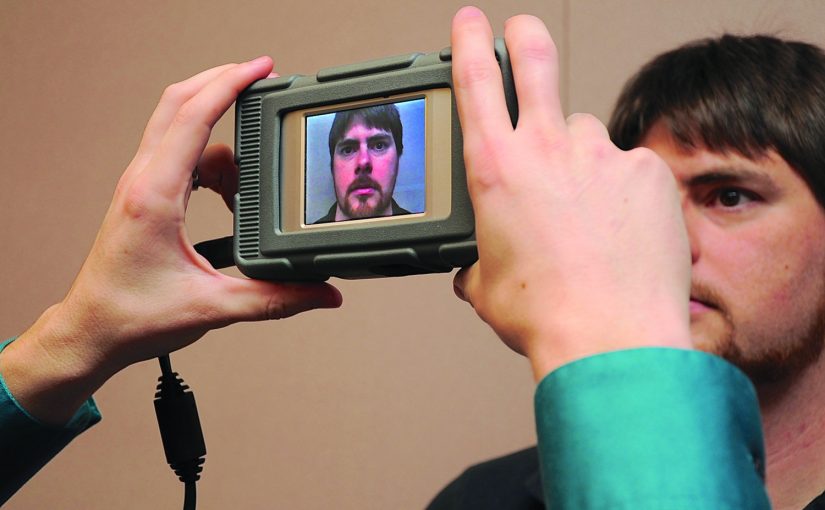
Facial recognition is a technology that seems like it will soon be everywhere, from unlocking one’s phone to checking in for a flight at the airport. A fast food restaurant in China now allows diner...
Share
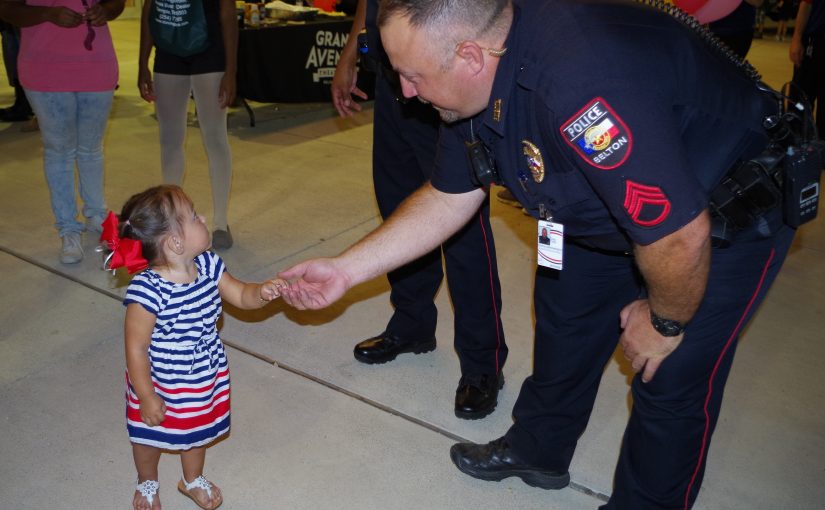
These are troubled times for police officers and their families, with an almost endless stream of bad press about law enforcement, along with unthinkable assassinations and ambushes, numerous anti-pol...
Share
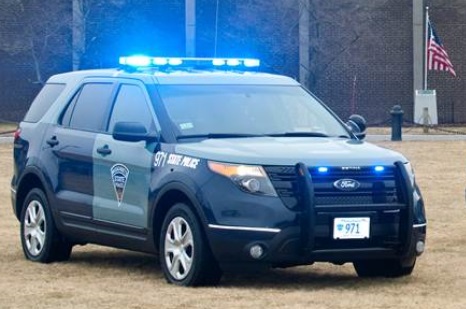
There has been quite a lot of discussion in recent years about improving the safety of police vehicles, both while operating and while stopped or idling, and lowering the risk of related injuries and ...
Share
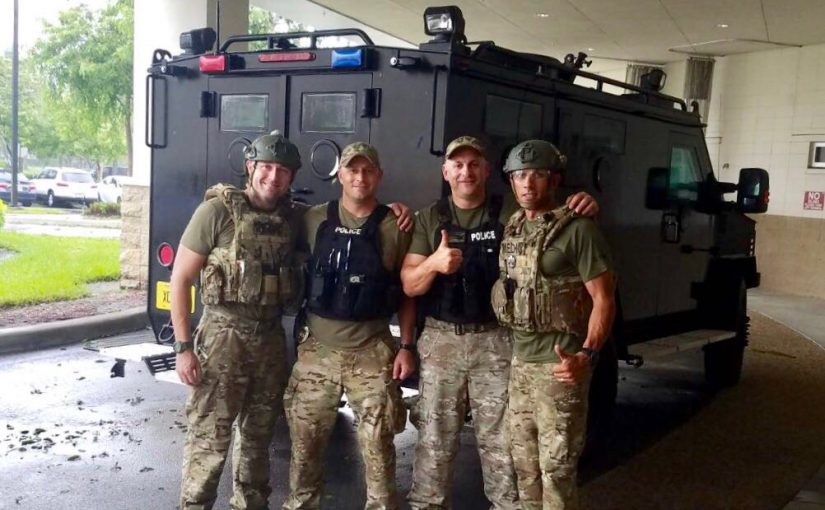
When most people envision SWAT officers and armored police vehicles, they associate those images with major crimes, dangerous criminals, and violent riots. However, this article shows how one police d...
Share
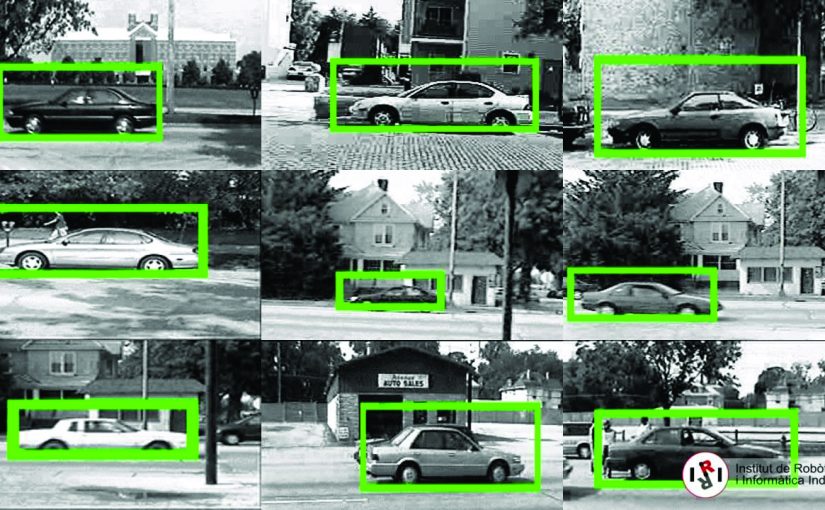
Take a moment to imagine what the future could hold: It is 2:00 a.m. in Modesto, California. Among hundreds of video feeds, filtering into the Modesto Police Department’s real-time crime center, one...

Share
This past year saw revelations of sexual harassment in several different arenas, including the realms of entertainment, news media, sports, and politics. Some of what has been exposed are criminal act...

Share
Despite major legal and policy developments on behalf of crime victims since the landmark passage of the Victims of Crime Act in 1984 (VOCA), U.S. federal data collection efforts illustrate that signi...
Share
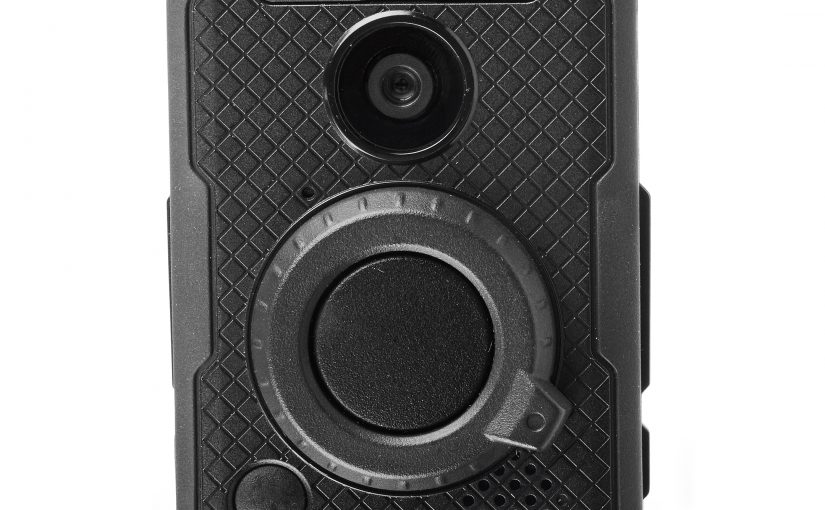
Technological advances in law enforcement have made video a critical component of an officer’s day-to-day tool kit. Video sources in law enforcement include traffic cameras; privately owned video su...