

Share
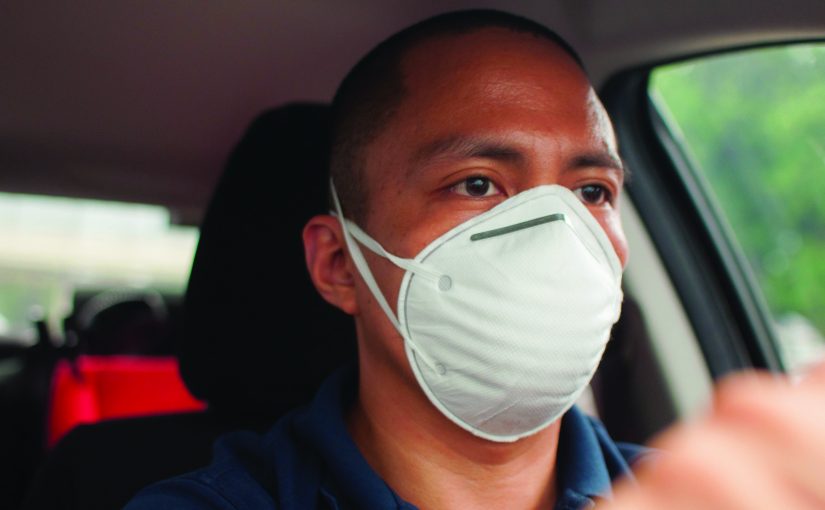
As COVID-19 has spread in the communities they protect and serve, police officers are experiencing the adverse effects of the virus, as well. Recent examples of climbing infection rates among first re...
Share
Nearly everyone who has been in law enforcement for any length of time has known someone in the profession who committed suicide or had other issues related to mental health. According to Bluehelp.org...
Share
Peer support is an important component of mental wellness services, including suicide prevention, for police officers. Many agencies have established formal peer support teams in their organizations w...
Share
The Voorhees Township Police Department (VTPD) in Camden County, New Jersey, has taken a proactive approach to the mental and emotional health and wellness of its officers....
Share
Just imagine your phone rings at 4:11 a.m. on a warm June night in 2010. As a chief of police, you are expecting it to be a phone call about a homicide or a traffic fatality, but when you answer, the ...
Share
Law enforcement officers face unique challenges when making financial decisions for themselves and their families. Pensions, second careers, and health insurance decisions—while working and in retir...
Share
Most law enforcement officers begin their careers in good physical condition and health. However, job-related stress disorders can cause many to retire early or die prematurely....
Share
Female representation in the police force is at an all-time high and looks as though it will continue to increase. While occupational tasks may be the same, there are both similarities and differenc...