

It is routinely acknowledged that first-line supervisors perform a variety of duties critical to the success of law enforcement organizations. Tasked with balancing the expectations of upper-level managers with the needs of front-line officers, supervisors act as directors of daily activities, monitors of officer performance and activity on the street, and translators of organizational goals and strategies for their agency.1 These supervisors have close proximity and frequent interactions with subordinate officers that provide opportunities to influence officers’ attitudes and behaviors.2 Often, supervisory leadership is key to officer performance. Therefore, it is critical for the law enforcement field to better understand the potential impact of supervisory influence, as well as how supervisors might be better selected and trained to enhance police practices at the street level.
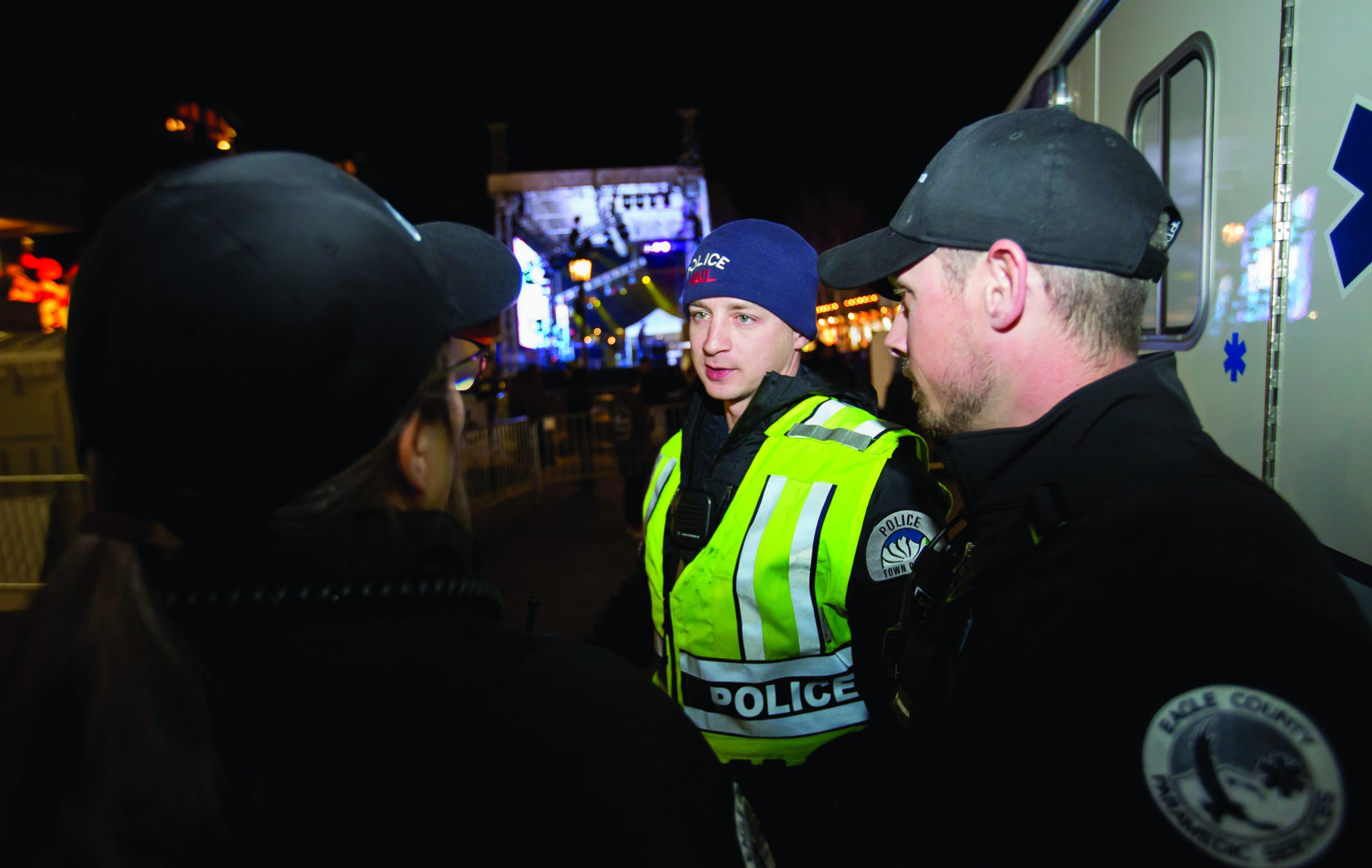
Research in Brief: The Untapped Potential of First-Line Supervisors
Read More
Share
Co-responder models for responding to people in mental distress have become increasingly used in policing in the United States over the last decade. These approaches involve police officers partnering...
Share
Recent research has placed one of policing’s most venerable tools—the K9 unit—under fresh empirical scrutiny. The findings of a new study run counter to long-held convictions on both sides of th...
Share
The challenge of bringing about substantial organizational change in policing extends beyond reform. Police chiefs are tasked with guiding their agencies through various dynamics, including shifts in ...
Share
Are officers more likely to shoot and to fire more rounds when nearby officers open fire at a suspect? This question directly addresses the “contagious fire” phenomenon, which comes into play in p...
Share
In the United States, nearly 5 million people currently serve as professional or volunteer first responders, including police officers, emergency communication operators (ECOs), correctional officers ...
Share
A few years ago, predictive policing was all the rage. The term appeared with considerable frequency, companies offered expensive software options to police departments, and related sessions at the IA...
Share
Police agencies are grappling with a significant reduction in personnel.
Across the United States, there has been nearly a 5 percent decrease in sworn staff over the past three years.1 Since May 20...
Share
Law enforcement and the communities they serve want many of the same things. They want effective responses to crime and other problems.
They want policing that promotes safety and trust....
Share
In 2016, 33 percent of local law enforcement agencies used bicycle patrols on an as-needed basis, with 6 percent utilizing them regularly.
This marked a slight increase from 2007 when around 27 per...
Share
Calls for a police workforce that is diverse with respect to race, ethnicity, and gender date back many years, and the benefits of diversity are now well supported by empirical research.1
Yet, achi...