
The license plate remains a vital, cost-effective, and readily identifiable law enforcement tool. Every U.S. state and Canadian province mandates its display, and information concerning one is accessible to police officers in real time. Noncompliance with a jurisdiction’s vehicle registration laws objectively provides probable cause to believe a violation is occurring and has been demonstrated time and again to be a gateway to clearing serious crime. This year’s Looking Beyond the License Plate grand prize winners and honorable mentions are no exception: They used a vehicle displaying one plate in a state requiring two, as well as a license plate absent a validation tab, one that was obscured, another that was stolen, and one more that was unlighted, to apprehend felons who had committed heinous violent crimes.
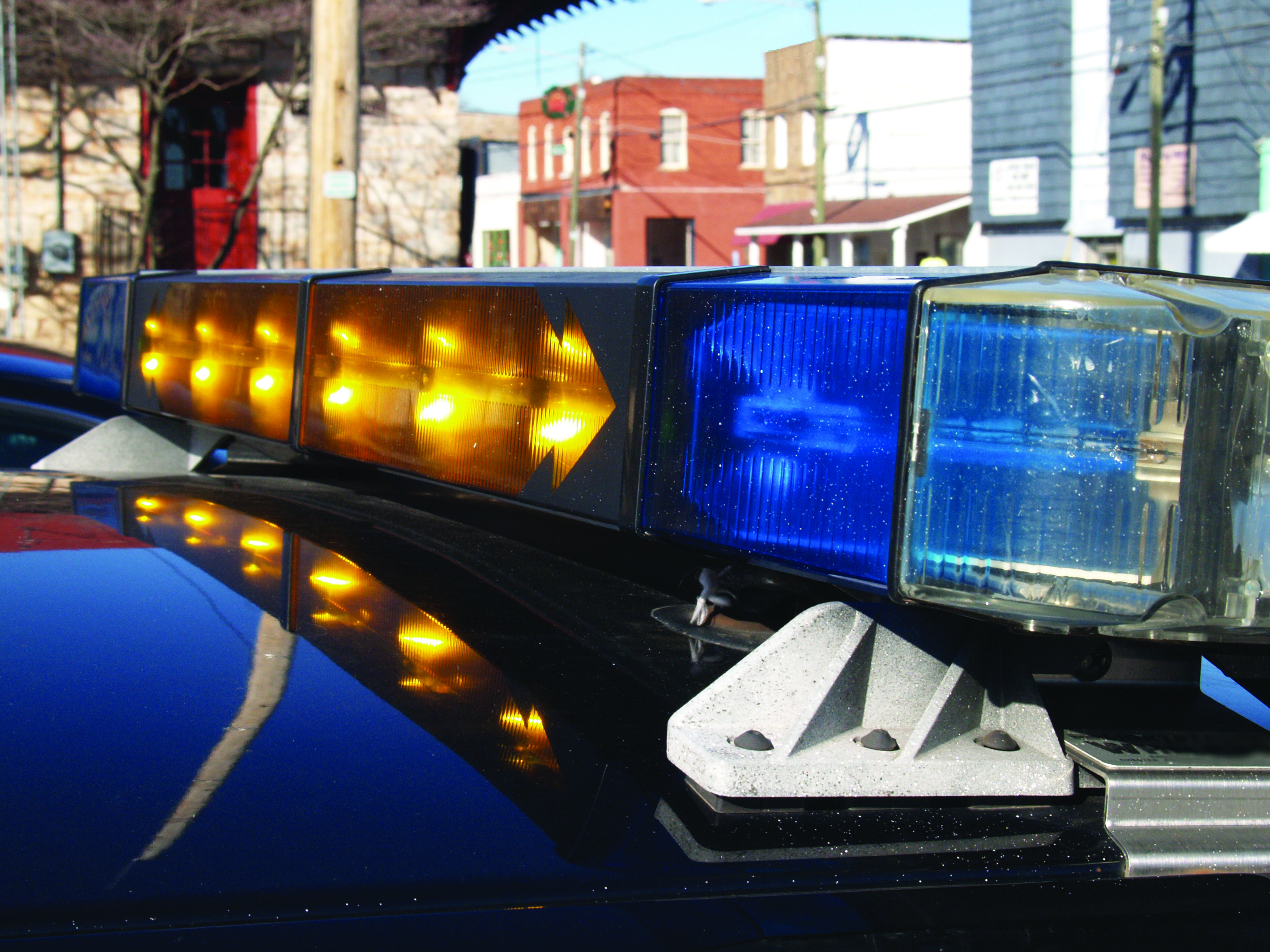
Traffic Safety Initiatives: License Plates Used to Apprehend Felons
Read More
Share
A common question heard in substance-impaired driving classes is, “Why do we do it this way?” Too often, the answer is simply, “Because that’s how we’ve always done it” or “That’s what...
Share
The world of impaired driving isn’t what it used to be. Alcohol is still the old villain, but it’s no longer acting alone. A more complicated, more dangerous player has entered the scene—poly-dr...
Share
A few years ago, the Colorado State Highway Safety Office identified a recent trend of increased refusal rates of impaired drivers of the required chemical test. While some U.S. states are implied con...
Share
According to the 2020 National Survey on Drug Use and Health, self-reported data revealed that 37.3 million individuals (ages 12 years or older) were current illicit drug users in the United States. M...
Share
Across the United States, police officers are encountering a troubling pattern: drivers who show unmistakable signs of impairment, such as slurred speech, slowed reaction time, or poor coordination, y...
Share
While there are law enforcement agencies that are fully staffed, many do not have the resources necessary for timely response to every call for service. When considering how leadership could improve o...
Share
In 2023, there were over 1,500 drug-impaired drivers for each certified drug recognition expert (DRE) in the United States. Research has shown that a 10 percent increase in driving under the influence...
Share
Oscar Kilo—the National Police Wellbeing Service (NPWS)—is specifically designed to provide support and guidance for organizational wellness to all police agencies within England and Wales. The pr...
Share
Impaired drivers pose a critical threat to public safety, and officers must be equipped with tools to detect impairment quickly and accurately. Advanced techniques can enhance the efficiency and sensi...
Share
Why is proving a case so difficult when the impairing drug of choice is marijuana? Police officers and prosecutors have become very skilled at investigating and convicting drivers impaired by alcohol....