


Share
Law enforcement has long embraced a simple principle: good data drive good decisions. Crime statistics are collected to understand trends. Officer assaults and line-of-duty deaths are tracked to impro...
Share
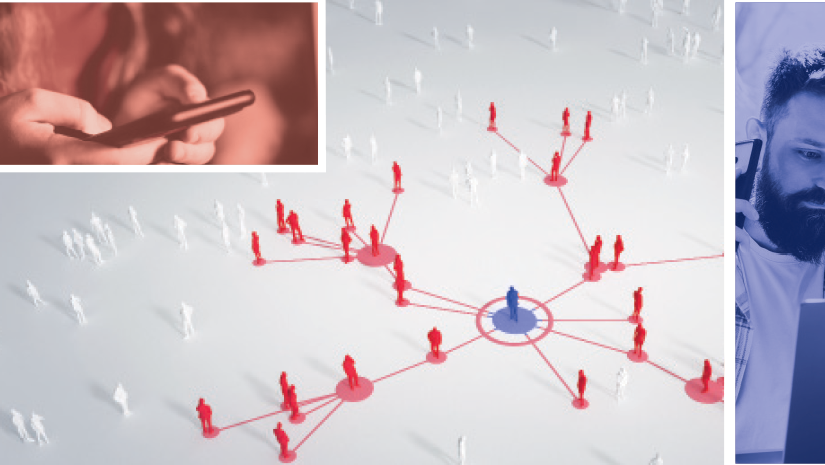
Over the past two decades, social media has reshaped the policing landscape in ways that few agencies anticipated but must now confront. In Canada, 95 percent of adults maintain at least one social me...

Share
When an emergency occurs, individuals instinctively reach for their phones, sending texts to loved ones and capturing photos or videos to document the unfolding situation in real-time. Modern devices ...
Share
Modern policing stands at the threshold of a digital frontier that is expanding at a pace few institutions can match. The proliferation of mobile technology, encrypted messaging platforms, decentraliz...

Share
Technology now shapes core police work: dispatch and deployment, investigations, supervision, and administrative production (for example, reports and data capture). Over the last decade, agencies have...

Share
In today’s rapidly evolving technology environment, public safety agencies face an overwhelming array of solutions to problems they may or may not be facing. Technology in various forms has moved fr...
Share
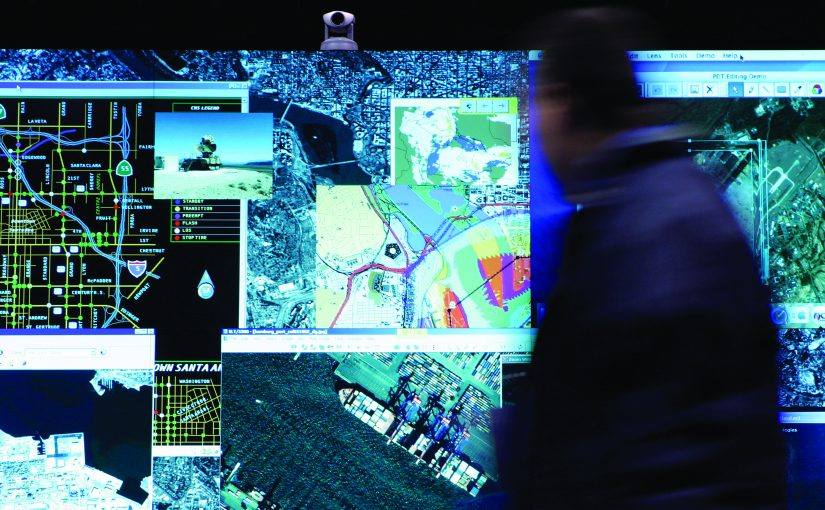
Digital transformation is reshaping modern policing. Technologies such as advanced digital forensics, body-worn cameras, license plate readers, and artificial intelligence (AI)–driven analytics enha...

Share
Trust in policing is almost always discussed in terms of face-to-face encounters with the public and community. However, nearly every engagement includes a digital component, and if the actual inciden...