


Share
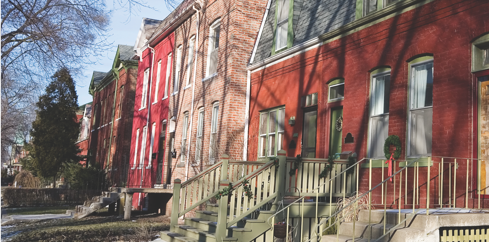
City, Citizens, and Law Enforcement Adopting Neighborhoods (CLEAN) is a concept that builds an effective, comprehensive approach to identifying, addressing, and enhancing quality-of-life issues. Devel...

Share
In the 1990s the Roanoke Police Department began moving toward a community-policing concept by assigning officers to specific districts and charging the officers with becoming familiar with the reside...

Share
Since May 2003, members of the Minneapolis Police Department and the city's business community have been working together to increase partnerships and decrease crime in downtown Minneapolis....
Share
Crime prevention is not the exclusive province of law enforcement agencies, but because the police have the responsibility for dealing with crime where, when, and as it occurs, there is a tendency to ...
Share
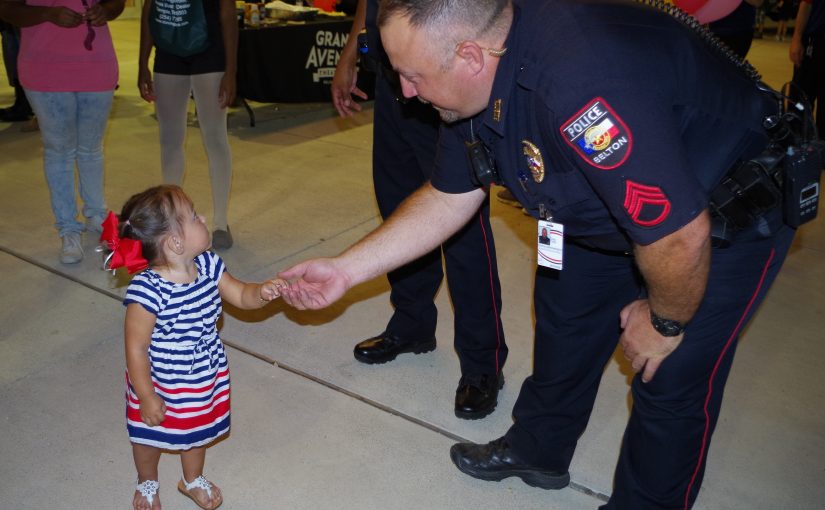
The McGruff House Program started in Utah in 1982 in response to several child abductions by child sexual predator Arthur Gary Bishop. Local volunteers, law enforcement representatives, and the school...
Share
The Neighborhood Emergency Assistance Team (Neat) program in Taylor Mill is a community partnership where citizen volunteers are trained to assist the police department in the event of large-scale inc...
Share
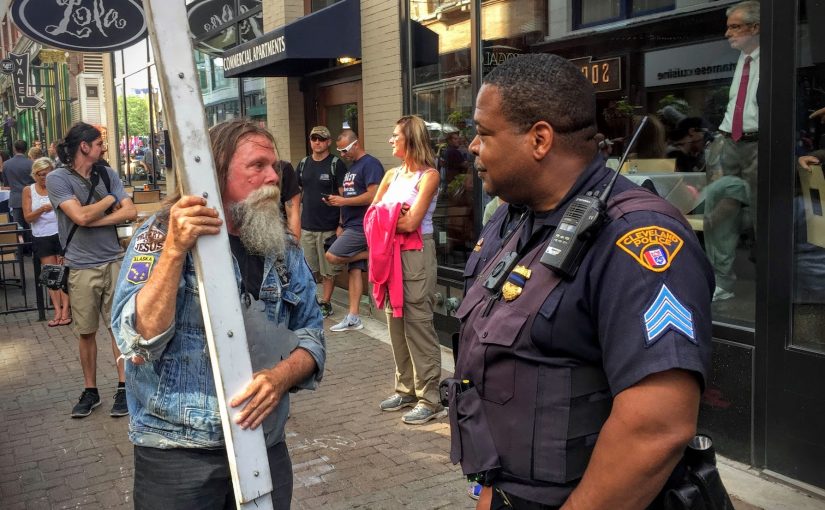
An apology for wrongdoing can reduce the potential for litigation and liability and also help maintain or restore public trust. Refusing to admit wrongdoing may cause greater problems than the wrongdo...
Share
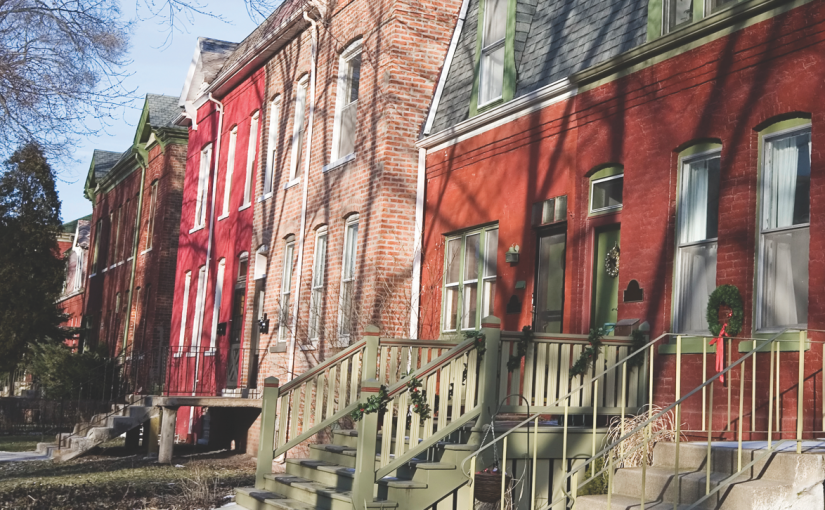
Working with the community, the Akron Police Department developed a strategic crime control plan. The plan establishes 29 internal primary tasks that the department must complete to ensure that the co...