


Share
As is true for many law enforcement agencies, the ability to recruit and retain qualified persons is an ongoing challenge for the Vermont State Police (VSP). During the next five years, Vermont’s la...

Share
The IACP Drug Recognition Expert (DRE) Section’s Annual Training Conference on Drugs, Alcohol, and Impaired Driving convened July 28–30, 2014, in Phoenix, Arizona, and drew more than 870 law enfor...

Share
Officer safety is of paramount importance to law enforcement leadership. It is embedded in the police culture at every level. Simply explained, the goal of every officer is to go home every day. When ...

Share
There is a long history of working relationships between law enforcement agencies and academic researchers in the United States. Indeed, partnerships between modern police practitioners and academic r...
Share
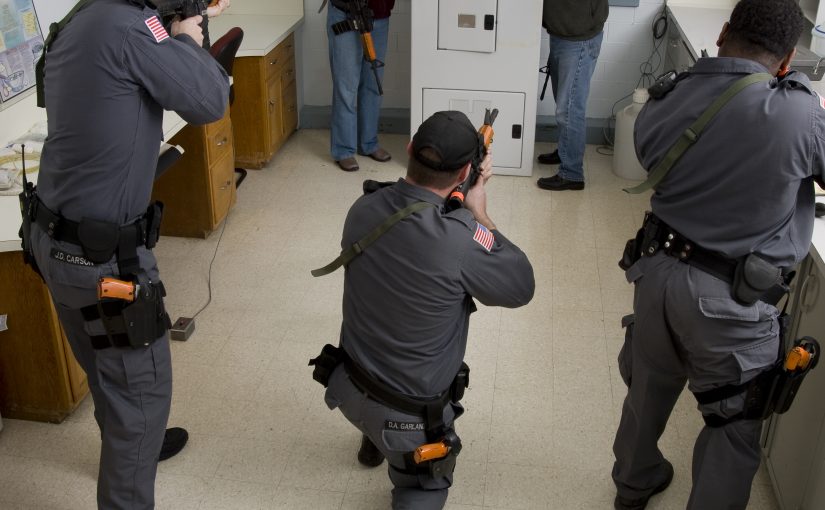
The first modern active shooter incident occurred in Austin, Texas, on August 1, 1966, when Charles Whitman climbed to the top of the University of Texas at Austin clock tower with an arsenal of weapo...

Share
In American Policing in 2022: Essays on the future of a Profession, the U.S. Department of Justice, Office of Community Oriented Policing Services invited police practitioners to share their vision of...
Share
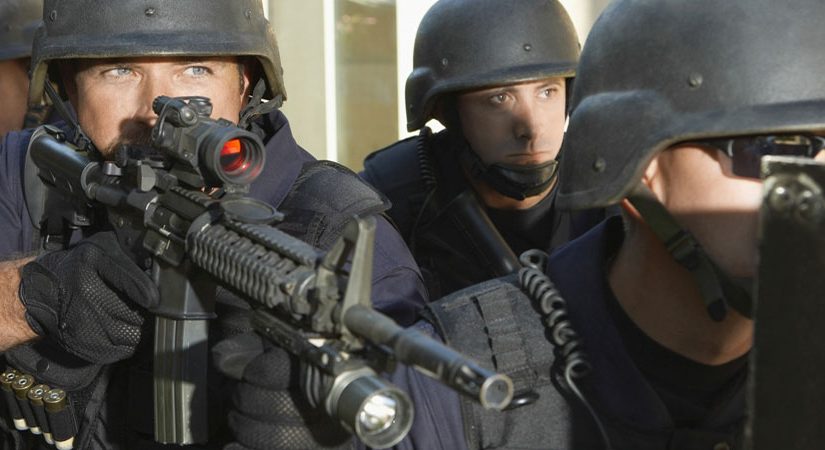
The San Diego Law Enforcement Coordination Center (SD-LECC) is a Department of Homeland Security–recognized fusion center and a member of the California State Threat Assessment System (STAS). It com...

Share
Surprisingly, there are many different responses to the question “What is a crime analyst?” The answers provided by law enforcement members will vary based on the different levels of need within t...