


Share
Some of the most notorious criminals in U.S. history were brought down by a law enforcement leader who remains almost as overlooked today as he was when he died 60 years ago. He nailed the real bad gu...

Share
Few fields in the law enforcement profession are experiencing greater or more rapid change than public information; changes in mission, production, and delivery have begun, and continued change is ine...
Share
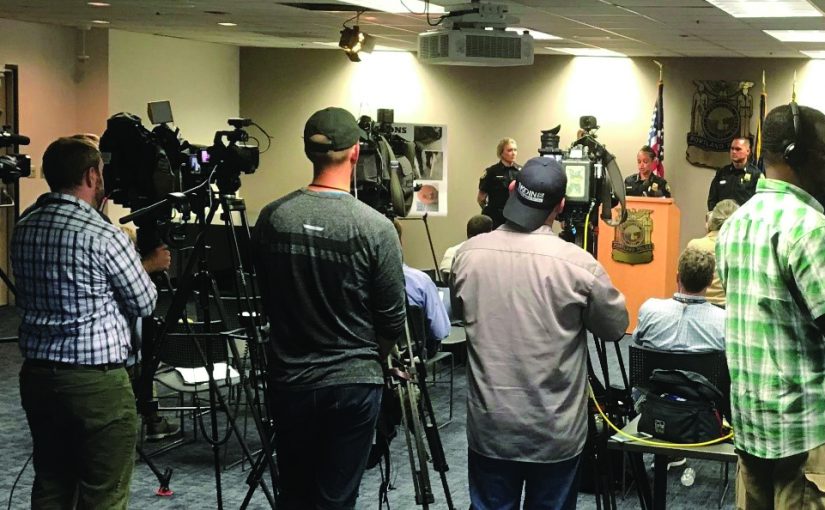
As the motto of the Boy Scouts of America advises, law enforcement agencies should always be prepared, whether for a critical incident or for interaction with the media. Even occasional media communic...
Share
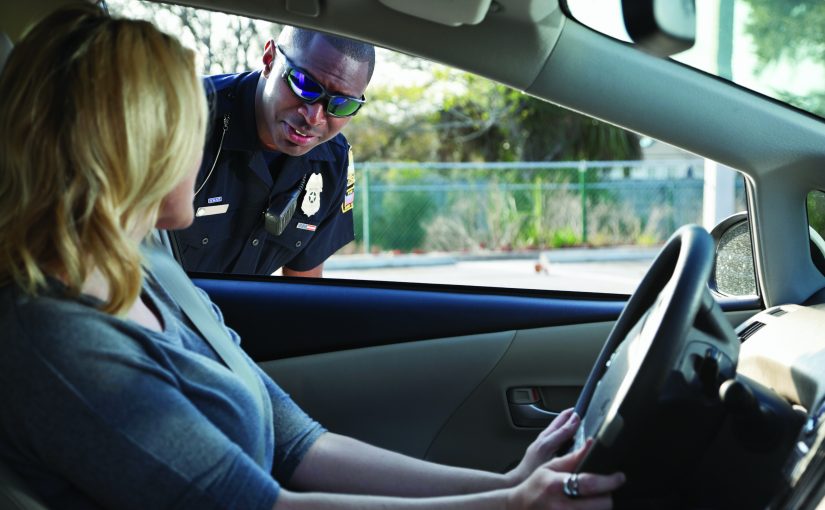
On March 27, 2007, state police commanders had an exclusive look at the next step in information sharing: instant access to interstate driver’s license photos. At the International Association of Ch...

Share
The public rightly expects that criminal justice agencies and especially law enforcement agencies at all levels of government will cooperate and share information seamlessly. This belief is supported ...

Share
Editor’s note: The author was the police incident commander for the 2003 TOPOFF2 full-scale terrorism response exercise in Seattle and served as a controller and evaluator for the 2005 Marine Terror...

Share
In any policing controversy—excessive use of force, racial profiling, police suicide, discourtesy—separating human emotions from that controversy’s cause is difficult. An officer’s emotional i...

Share
Every day, police professionals decide and act while balancing competing and conflicting values and interests, frequently with incomplete or inaccurate information, often in highly emotional and dynam...