


Share
Leadership is “the ability of an individual to influence [emphasis added], motivate, and enable others to contribute toward the effectiveness and success of the organization.” Influence is concep...
Share
A commercial airline passenger was intoxicated and would not comply with the flight attendant’s instructions to sit down and put on his seat belt. After several failed attempts, the flight attendant...
Share
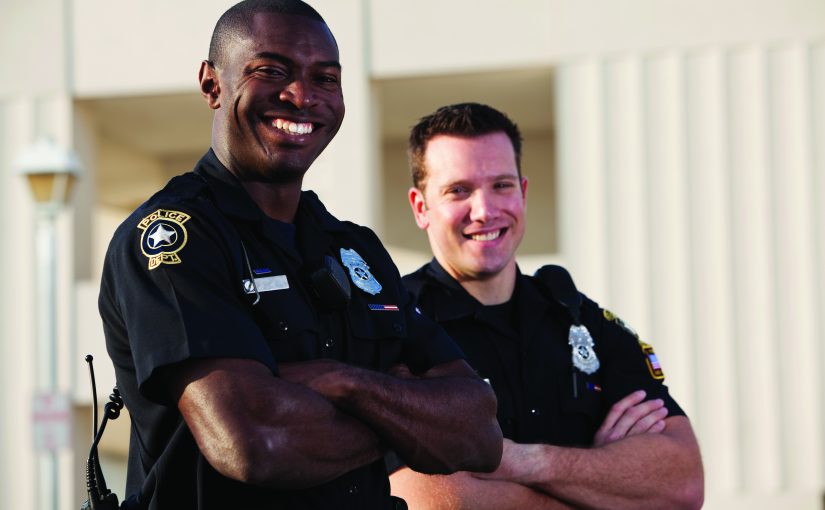
An often-heard lament of police chiefs is that police officers hate two things—the way things are and change. Stephen Mastrofski’s article on the role of police chiefs in initiating and managing c...
Share
Police organizations and their leaders are often characterized as resistant to change. This school of thought holds that police administrators cling to old ways, and, if they do make changes, they are...
Share
As law enforcement executives transform their performance organizations to learning organizations, it is essential that they have insight on the theories and research related to the capacity of humans...

Share
Strategic organizational forecasting through formalized police "futures units" is the next step in the evolution of modern law enforcement. For decades many businesses in private industry have utilize...
Share
Tragedies have the potential to claim thousands of lives, injure thousands more, , and generally cause disruption. Large-scale events such as the plane attacks on the World Trade Center in New York, N...
Share
The U.S. Democratic National Convention (DNC) was scheduled to be held in Boston, Massachusetts, from July 26 to 29, 2004. It was the first time the national convention for either political party was ...