



Share
Events of recent years have brought attention to the issue of law enforcement use of force in the United States, especially in cases that result in a fatality. Law enforcement, commentators, politicia...

Share
Use of force by law enforcement is a controversial issue in countries across the globe. There is no universal standard that defines its justification absolutely; as a
consequence, each case is analyz...

Share
The use of force by U.S. law enforcement officers during encounters with citizens is one of the most important moments in constitutional policing. Many clear examples of when response to resistance (o...

Share
An unarmed civilian is fatally shot. A family grieves or anxiously awaits their loved one’s recovery. Long-simmering tensions boil over. Video of the shooting is released or
withheld. Debates rage ...
Share
Law enforcement leaders recognize that not one single factor has been more essential to preventing and reducing crime levels than collaboration between law enforcement agencies and the communities the...
Share
Whether individuals work in urban, suburban, or rural communities, law enforcement officers invariably encounter the impact of drug use and mental illness. These impacts range from disruptive behavior...

Share
Tremendous changes within the field of law enforcement have taken place over the last several years. When the U.S. Department of Justice released the Final Report of the President’s Task Force on 21...
Share
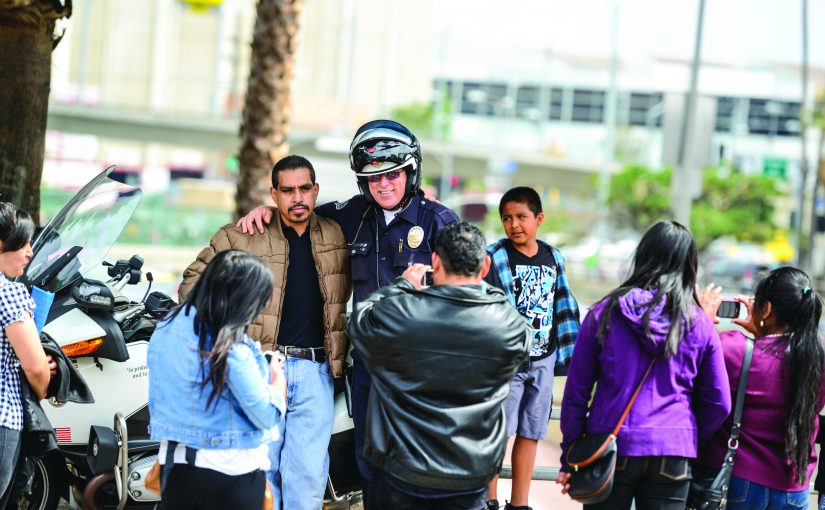
For decades, the argument has been made that one of the surest ways to build positive, lasting community-police relationships is through an organizational commitment to community policing.1 The IACP h...