


Share
The events of September 11, 2001, fundamentally altered the traditional role of the law enforcement profession and have ushered in a new era of policing in the United States. In the aftermath of these...
Share
Since the terrorist attacks of September 11, 2001, there have been repeated calls to find better ways to “connect the dots” by identifying and assembling small bits of information that collectivel...

Share
As a result of the tragic terrorist attacks in New York City, in Pennsylvania, and at the Pentagon on September 11, 2001, law enforcement agencies throughout the country realized there was an immediat...
Share
The U.S. Department of Homeland Security (DHS) has released the National Response Framework (NRF), successor to the National Response Plan. The NRF, which focuses on response and short-term recovery, ...
Share
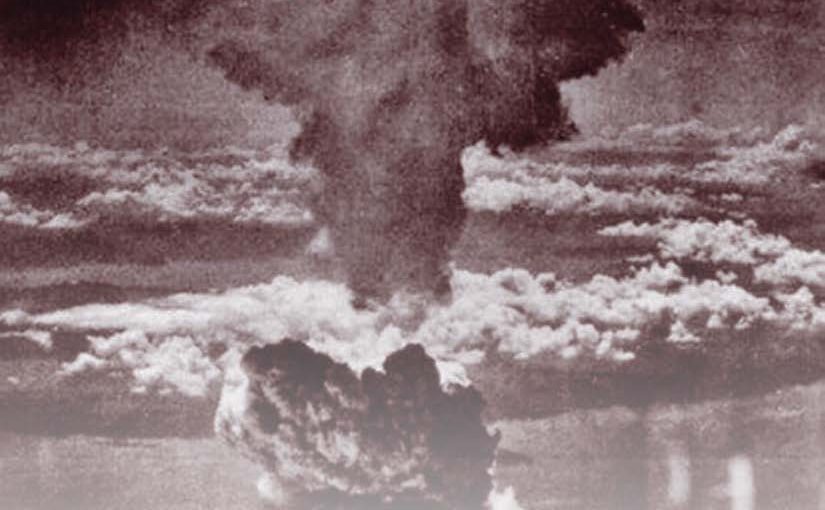
A nuclear attack, if carried out, would have consequences for the United States as well as the international community. In spite of these catastrophic consequences, many agencies ignore the vulnerabil...

Share
Since the terrorist attacks of September 11, 2001, the North American law enforcement community has seen extraordinary change. New homeland security practices, unprecedented partnerships, and the need...

Share
Since the terrorist attacks of September 11, 2001, many state, local, and tribal law enforcement agencies have reestablished and reengineered their intelligence capacity largely through guidance provi...

Share
Local police officers throughout the world are the first line of defense against terrorism. Police officers confront terrorists during traditional activities such as routine traffic stops, warrant ser...