

Share
On January 7, 2015, the world was stunned again by the video images of yet another sensational terrorist attack. The incident, which occurred in Paris, France, started when three masked gunmen launche...
Share
Of the primary human threats to safety in schools—vandalism, bullying, fighting, sexual abuse, and rampage violence—rampage violence is by far the most deadly and the rarest. Yet over the past 15 ...

Share
The U.S. criminal justice community and much of the U.S. public recall that the horrific events of 9/11 were preceded by several of the al Qaeda–affiliated attackers’ attendance at flight schools ...

Share
The U.S. Homeland Security Act of 2002 defines a fusion center as a “collaborative effort of two or more agencies that provide resources, expertise, and information to the center with the goal of ma...
Share
Information sharing among U.S. law enforcement agencies has evolved substantially since 9/11, including the sharing of crucial information among disciplines and jurisdictions through relationships tha...
Share
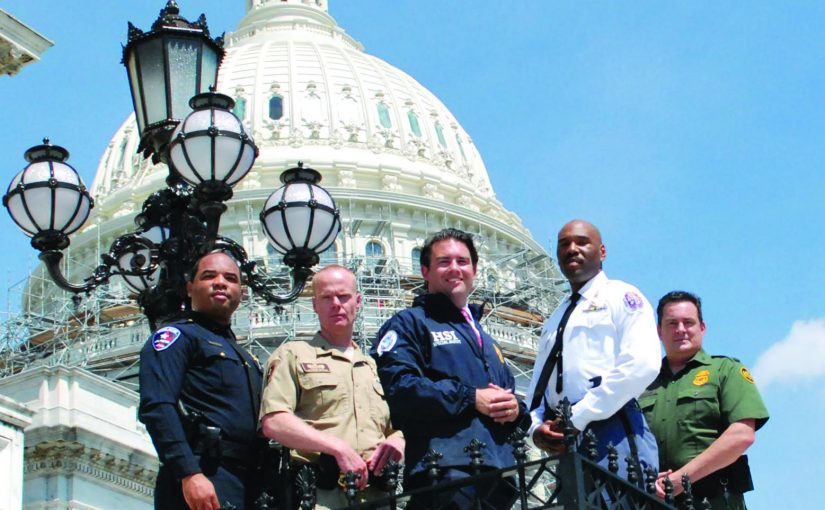
The International Association of Chiefs of Police (IACP) Committee on Homeland Security entered its current, final incarnation in 2003, although the committee arose out of the IACP’s response to 9/1...

Share
The U.S. electric grid, by virtue of its complexity and size, is vulnerable to both physical and cyber attacks, which have the potential to impact the United States in ways not currently imagined by m...
Share
There is a growing conversation around the issue of police legitimacy and the impact of public support, trust, and cooperation on the police’s ability to ensure public safety. Most of the research f...