


Share
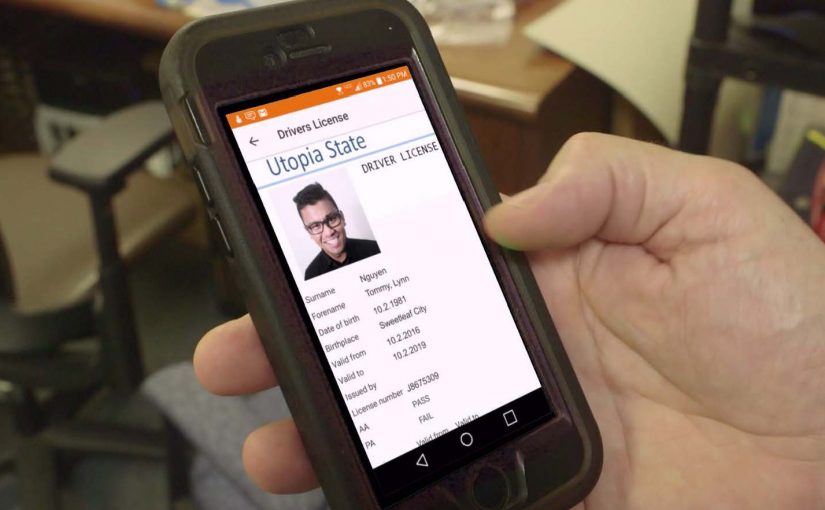
The ability of a law enforcement officer to identify the driver of a motor vehicle and the status of the individual’s driving privileges by virtue of a plastic driver’s license is a typical occurr...

Share
In a world where snipers emerge from the top of buildings to kill innocent people and drivers insist on driving while using smartphones or while under the influence of alcohol and drugs, which often r...
Share
Traffic safety programs form an integral component of an effective, comprehensive law enforcement operation. Unfortunately, not all law enforcement executives—perhaps even all those reading this col...
Share
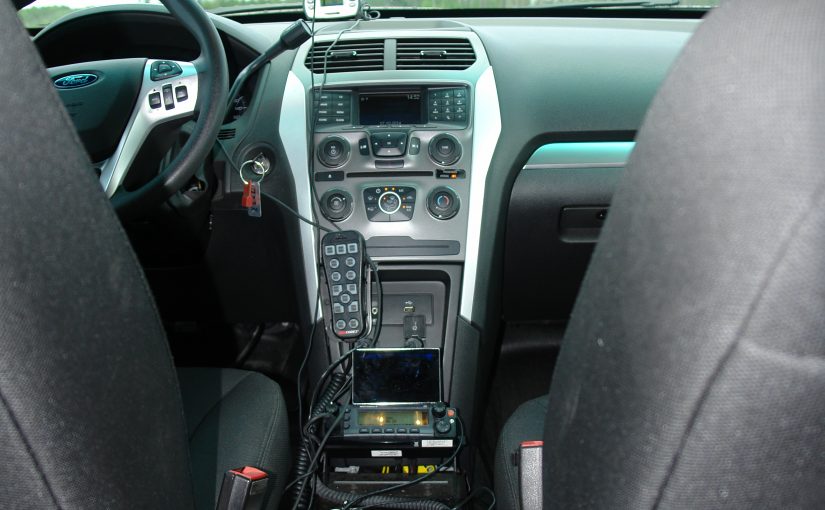
For more than 30 years, law enforcement has relied on the Precision Immobilization Technique (PIT) to disable fleeing vehicles and to remove aggressor vehicles from motorcades or convoys. When conduct...
Share
Law enforcement recruits and new officers are often asked the same question repeatedly during their application process and time at the training academy—why do you want to become an officer? Most re...
Share
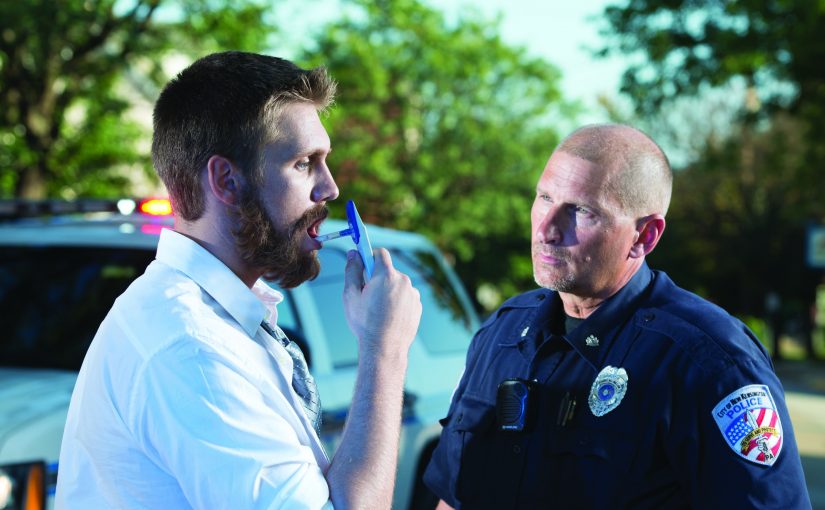
Law enforcement, traffic safety professionals, criminal justice professionals, and social advocates have worked together to address alcohol-impaired driving, for decades, dramatically reducing its pre...
Share
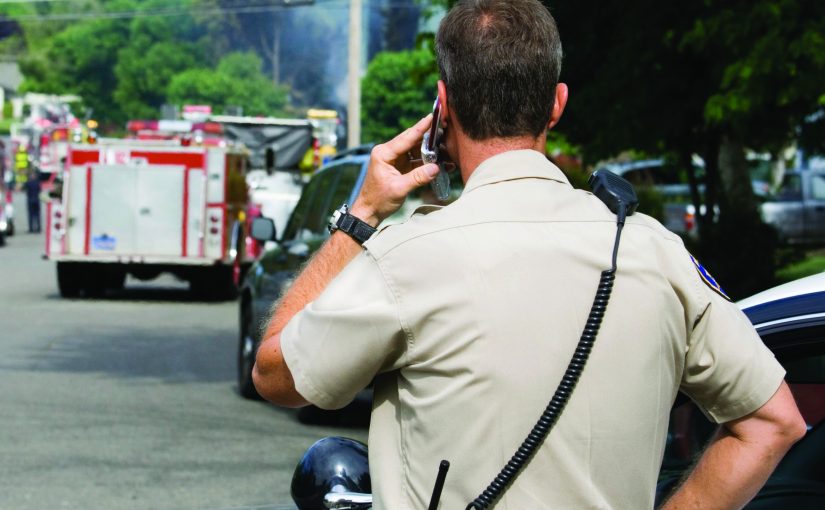
No one enjoys sitting in traffic, yet millions of people do so on their daily commutes, wasting both time and money. In the 2015 Urban Mobility Scorecard, the Texas A&M University Transportation Insti...
Share
As law enforcement leaders, we have long been speaking out about the dangers of driving under the influence (DUI) of alcohol. Far too many of us have witnessed the devastating effects of DUI, responde...