

Fulfilling the School Safety Mandate
The Evolution of Police and School Partnerships
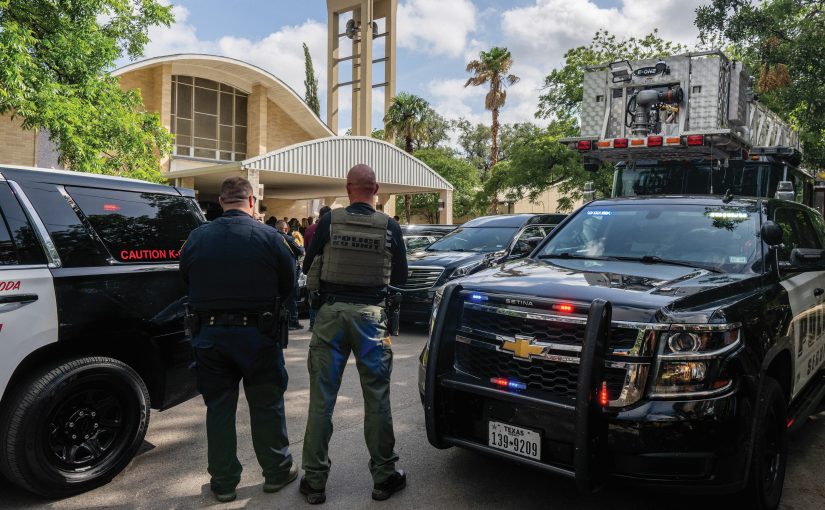
The Columbine High School shooting in Littleton, Colorado, in 1999, remains among the most notorious school shootings in the United States. While the tragedy holds an unfortunate mystique, sometimes leading would-be school shooters to idolize the perpetrators and use them as inspiration for their own acts of targeted violence, Columbine was not the first and certainly not the last event of its kind. Acts of targeted violence at schools have increased significantly after Columbine, particularly from 2010 to 2025. Much like Columbine, after each tragic incident, after-action reports indicate vulnerabilities that serve as a catalyst to enhance security measures at schools around the United States. This identification of vulnerabilities has led to target hardening and infrastructure enhancements that drive a multibillion-dollar industry of security-related products. For the policing community, these incidents have fundamentally changed how police engage with schools to prevent, respond to, and recover from acts of targeted violence in schools and other school-related emergencies.
In the immediate aftermath of Columbine and the incidents that followed, such as the shootings at Red Lake Senior High School in Minnesota (2005) and Virginia Tech (2007), school shootings were often viewed as a phenomenon involving high schools and institutions of higher education. In the early 2000s, enhanced security measures and police presence in the form of school-based policing initiatives and school resource officers (SROs) were focused on secondary schools primarily.
Then, the Sandy Hook Elementary School shooting in Newtown, Connecticut, in 2012 forever changed the face of school violence including the evolution of police response. What was once an issue related to teenagers and young adults became a question of how to protect an even more vulnerable population—elementary school children.
In order to access the rest of the article sign in with your IACP or Subscriber credentials.