
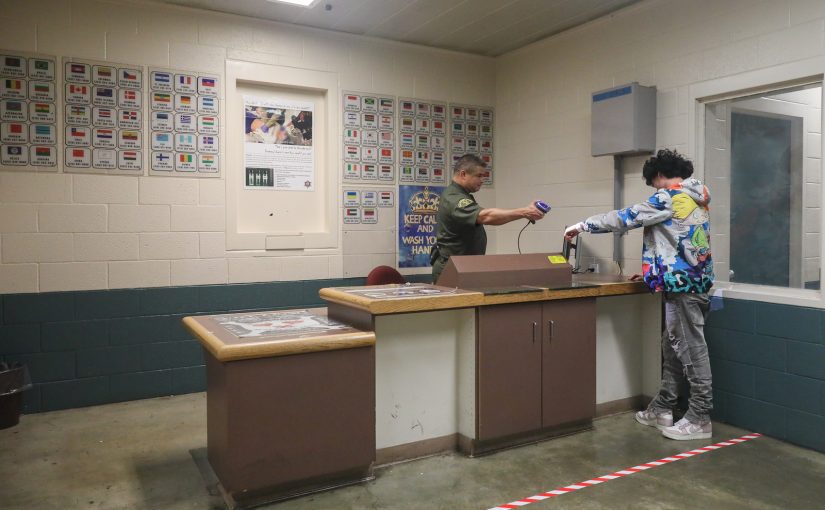
When a U.S. law enforcement officer arrests a foreign national, they must take extra legal steps as part of a process called Consular Notification and Access (CNA). The U.S. Department of State partnered with the Los Angeles County, California, Sheriff’s Department (LASD) International Liaison Unit on this article to demonstrate the importance of CNA, illustrate the challenges LASD overcame during implementation, and highlight how LASD integrates CNA into their daily operations.
The Vienna Convention on Consular Relations
One of the key functions of governments is to offer services and support to their citizens abroad. Consular officers offer their nationals assistance that can include working to ensure detainees receive fair and transparent treatment, access to legal representation, visiting them in prison to verify humane treatment, and facilitating communication with their families.
The most important treaty that guides consular work is the 1963 Vienna Convention on Consular Relations (VCCR), which the United States and more than 170 other countries have joined. Articles 36 and 37 of the VCCR set the basic rules for how foreign citizens should be treated in the United States and how U.S. citizens should be treated in other countries.
What Is Consular Notification and Access?
The CNA process is required to officially inform a foreign government (via their embassy or consulate) when one of their citizens has been arrested, detained, severely injured, or placed under guardianship or trusteeship; has died; or was involved in a shipwreck or plane crash in the United States. CNA also sets the rules for how that foreign government can seek access to or communicate with its nationals in such situations.
For the purpose of this article, a foreign national is anyone who does not hold U.S. citizenship and is a citizen of another country. This includes individuals visiting the United States, international students, individuals with green cards (lawful permanent residents), and individuals without documentation.
CNA is an important aspect of the LASD’s daily operations. As the largest sheriff’s department in the world with budgeted positions for 18,000 personnel and based out of a county where nearly every culture and tradition is represented, deputies and custody assistants regularly encounter foreign nationals. On a daily basis, there are approximately 12,800 inmates in custody throughout the Los Angeles County jail system. The high likelihood that CNA is going to be invoked makes familiarity with the process extremely important to the agency. LASD has designated the International Liaison Unit as the point of contact for all matters related to CNA.
Discussions on CNA are sometimes met with, “what is this?” from both new and seasoned deputies. Very few deputies joined LASD to uphold international law, and even fewer have the time to research its nuances.
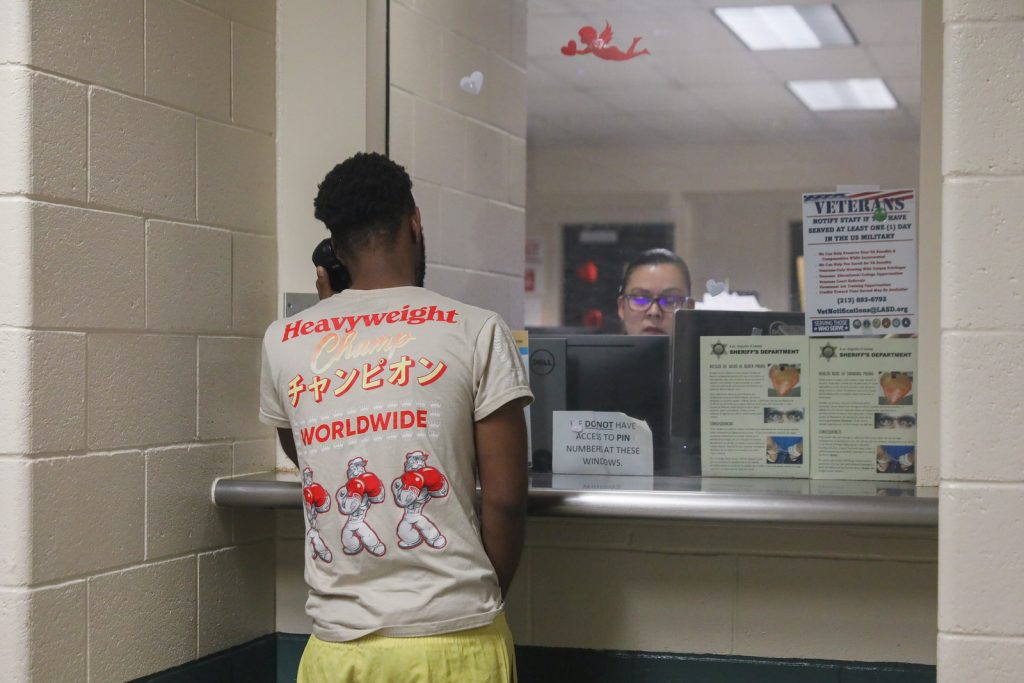 Therefore, to ensure the importance of CNA is recognized, LASD has embedded tenets of the VCCR into the agency’s policies and procedures. At least three sections of the Manual of Policy and Procedures spell out the responsibilities of LASD personnel with respect to CNA. Further, unit orders from custody facilities and courts delve into specific details in a manner easily digestible for personnel. These also mirror California state law, penal code 834c.
The International Liaison Unit ensures personnel are aware of the notion of reciprocity by working closely with the units that train custody and patrol personnel. Correlating the experience of a U.S. citizen abroad to a foreign national in Los Angeles County emphasizes the importance of CNA. Additionally, the unit sends personnel from various parts of the department to CNA training held annually. The International Liaison Unit avails itself to any department member in need of clarification on CNA, and the unit maintains excellent partnerships with the Bureau of Consular Affairs, Diplomatic Security Service, and the Office of Foreign Missions, who can help answer any questions that arise.
Which Countries Require Consular Notification and Access?
There are both mandatory and nonmandatory notification countries for CNA as parties to the VCCR or bilateral treaties the United States has with certain countries.
There are 57 mandatory notification countries. For nationals of these countries, notification to the embassy or consulate must be made whether the arrestee wants or requests it or not. If the detainee asks that their consul not to be notified, the law enforcement authority must explain that it is a legal requirement.
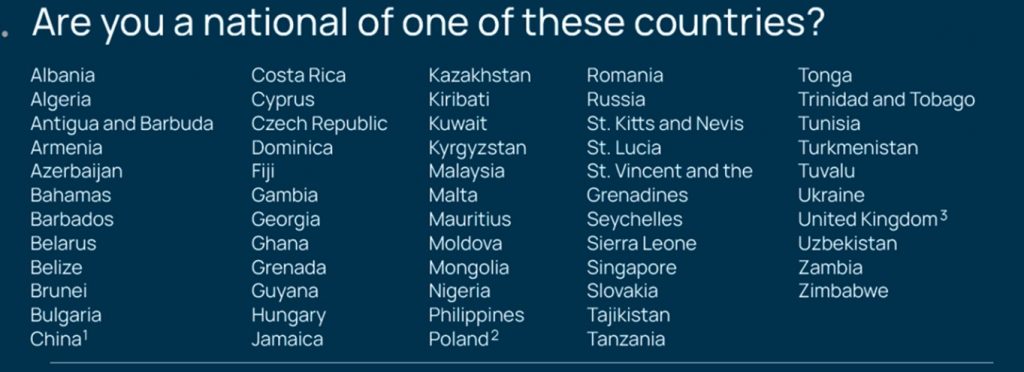
For all other countries, the VCCR requires law enforcement authorities to offer consular notification to the arrested foreign national. The foreign national may choose to accept or decline the offer. Regardless of the decision, the law enforcement authority must document the offer to notify and the response provided by the detained individual to address any inquiries from the embassy or consulate regarding consular notification.
Knowledge Check
Consider the following examples of CNA in action:
Case Study 1: During the recent disastrous fires in Los Angeles County, an arson arrest was made in the jurisdiction of Los Angeles City. When the arrestee was remanded to custody following arraignment, and while being booked at the Inmate Reception Center, he was provided with a Foreign National Arrest Advisement Notification (FNAN), the document used at the sheriff’s department for CNA. The arrested individual was from a nonmandatory country, but he requested consular notification. The Inmate Reception Center sent the completed form to the International Liaison Unit, and the International Liaison Unit reviewed the completed forms, retained a copy, and sent the form to the requested consulate. The consulate received the form and quickly requested consular access to the inmate. A visit was scheduled.
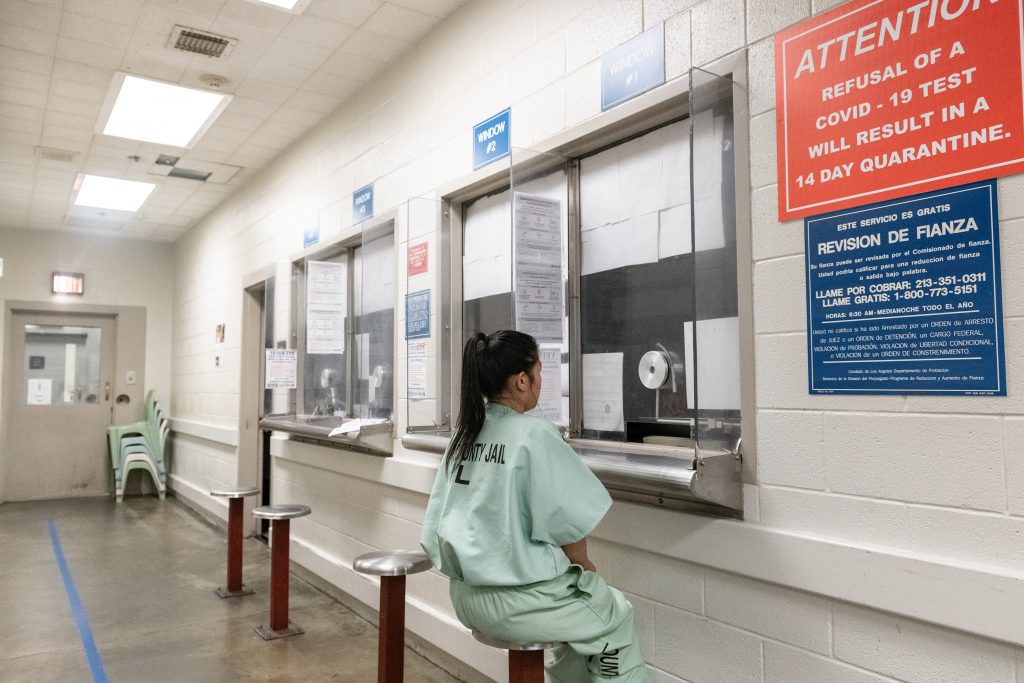 Was the proper procedure followed when the foreign national from a nonmandatory country requested consular notification? Yes. LASD fulfilled its obligation to notify the consulate because, although the individual was from a nonmandatory country, they specifically requested consular notification.
Case Study 2: In January 2023, a mass shooting in the predominantly Asian American city of Monterey Park claimed 11 lives and injured 9 others, prompting LASD’s International Liaison Unit to coordinate immediate consular notifications regarding those foreign nationals who had tragically lost their lives. This tragic incident demonstrated the importance of balancing consular notification requirements with departmental policies, as the unit worked collaboratively with involved consulates, LASD’s Homicide Bureau, and the Medical Examiner’s Office, while receiving guidance from the Office of Foreign Missions Los Angeles Field Office and the Bureau of Consular Affairs to ensure proper notifications to next of kin contacts.
Despite the tragic circumstances involving multiple fatalities, LASD adhered to proper consular notification protocols, demonstrating their commitment to international obligations even during crisis response. Consular support following the death of a foreign national can also help the LASD by assisting in identifying next of kin and helping to facilitate return of decedents’ remains to their home country, per the loved ones’ wishes.
What Are the Notification Procedures?
In accordance with the VCCR, notification of the arrest or detention of a foreign national must be offered and/or made within 24–72 hours following the initial arrest. Even if the foreign national is detained for only a few hours, the arresting law enforcement authority should offer to notify or make notification. In cases involving nationals from mandatory notification countries, notification is required whether the national requests or wants consular notification, as previously mentioned.
 Notification can be made by email or fax (if email is not available). The notification sheet, available for download from travel.state.gov/CNA, serves as a useful template and written record that the notification has been sent.
At LASD, the CNA process is centralized. There is very little that stations and custody facilities have to do, other than providing arrestees with the FNAN form, similar to the CNA template provided by the U.S. Department of State and sending it to the International Liaison Unit. From there, the unit reviews the forms for accuracy and decides which should be sent off to the appropriate consulate. All responses are to be saved in an inmate’s file. The International Liaison Unit follows up on questions from consulates, eliminating the need for custody and patrol personnel to liaise with consular officers. It’s important to note that CNA does not need the services of a unit to complete the process. In small agencies with fewer personnel or those based in geographic locations where interaction with foreign nationals is less frequent, jailers or arresting deputies can make direct notification to consulates.
What Is Consular Access?
Another aspect of CNA obligations is the right of consular officials to have “access” to their nationals. Simply allowing an arrested or detained foreign national to call his or her consular officer does not qualify as consular notification. Notification must be made by the arresting or detaining law enforcement authority for U.S. treaty obligations to be met.
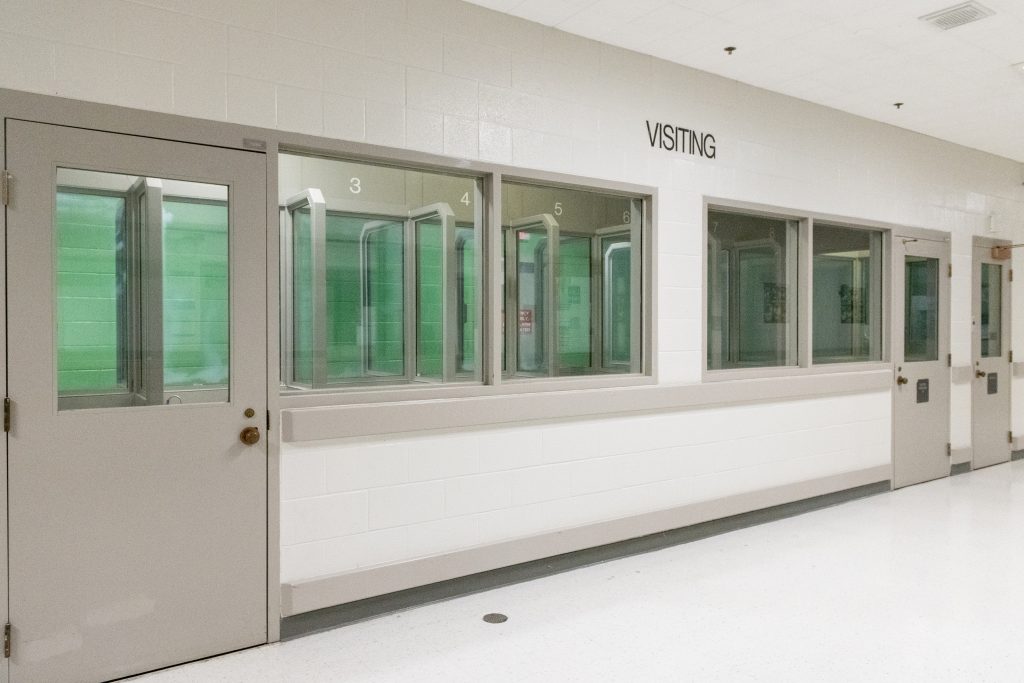
Consular notification ensures that the national’s host government is aware of the detention and has the opportunity to visit or access their national. During the consular access visit, the consular officer can offer consular services, such as arranging legal representation; monitoring the case; attending trials and court appearances; providing reading material, food, and medicine; and informing family members about the detention conditions.
Challenges
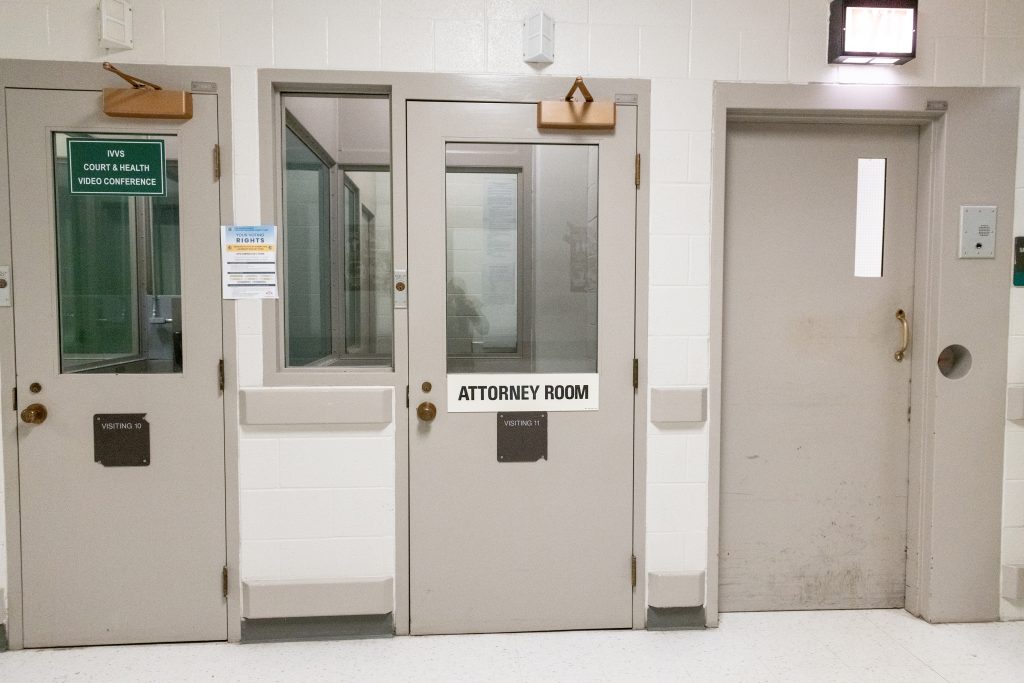 While the principles of CNA are simple and straightforward, LASD encountered some operational challenges when integrating CNA requirements into their existing departmental processes, including high employee turnover necessitating the retraining of personnel on CNA, arrestees not disclosing their true nationality upon arrest, arrestees being released before a notification is made, arrestees booked with severe medical issues causing delays in notification, human error in completing the form, consulates requesting information despite being from nonmandatory countries and the arrestee having marked “no,” and the need to protect the integrity of a homicide investigation during death notifications.
To address these challenges, LASD took steps to automate the FNAN form at their largest booking location, the Inmate Reception Center, in 2021. This simple process has reduced human error and incentivized completion. They incorporated the FNAN into the booking packet. The inmate’s information is, for the most part, automatically filled into the FNAN using the computer terminal where jailers interview each inmate being booked. This relieves jailers of having to print and manually complete every portion of the FNAN form. This system pre-populates the form with such information as the inmate’s name, date of birth, booking number, charges, and more. The only CNA-related questions that the jailer asks the arrestee are: “Which country do you want to notify?” and “Do you want notification?” The jailers then print the form, have the arrestee sign it, and send it off to the International Liaison Unit. This system has unfortunately not made its way to the LASD patrol stations due to technical issues, but the department is hopeful to introduce it soon. It’s important to note that due to California Senate Bill 54, LASD personnel make it clear to arrestees that this inquiry on consular notification is not related to federal immigration matters.
To further address challenges, LASD held roundtables with the Homicide Bureau and the Los Angeles County Medical Examiner (an agency separate from LASD) to share the importance of consular notification following the deaths of foreign nationals. LASD also developed open communication with the Office of Foreign Missions and Bureau of Consular Affairs that helped facilitate addressing these challenges.
Why Is CNA Important?
Following CNA procedures helps ensure compliance with international obligations. By maintaining thorough records of notification, law enforcement authorities can effectively safeguard against potential legal challenges to convictions and sentences that could arise if CNA requirements are not met. Additionally, upholding its obligations helps the United States get access to the thousands of U.S. citizens held in jails overseas each year.
The efforts of law enforcement authorities in adhering to CNA procedures are vital in ensuring that U.S. citizens abroad receive the consular support they are entitled to. By rigorously following these procedures, U.S. law enforcement contributes to the broader objective of protecting and supporting U.S. citizens, reinforcing the commitment to uphold international law and foster reciprocal respect between nations.
Encounters with Diplomatic and Consular Personnel
Under a variety of international treaties and agreements, foreign diplomatic and consular personnel and their family members (dependents) may be immune from arrest or detention for criminal, traffic, and civil offenses depending on their level of immunity. Once identified as a member of a foreign mission, LASD officers must contact the U.S. Department of State’s Office of Foreign Missions (OFM) to confirm a member’s immunity status. OFM may be reached at (202) 695-8220 during regular business hours (9:00 a.m.–5:00 p.m.) and the Diplomatic Security Command Center (DSCC) may be reached at (571) 345-3146 outside of business hours (OFM duty officers will be connected to any call to the DSCC outside of business hours). If diplomatic or consular personnel or their dependents presents a threat to themselves, the public, or law enforcement, they may be handcuffed but only as long as the threat exists. When handcuffing is required to contain an immediate threat, agencies must include detailed reporting that states clearly the situation or threat that required such action. All citations and incident reports must be sent to OFMImmunity@state.gov as soon as possible.
CNA requirements are a crucial element of international relations. By understanding and fulfilling these obligations, institutions can uphold the rule of law and enhance the safety and well-being of U.S. citizens abroad. d
Please cite as
Celina Laserna and Karen Baroudi, “Operationalizing International Protocols: A Guide to Consular Notification and Access Obligations for Law Enforcement,” Police Chief Online, February 04, 2026.