

The Many Layers of Transnational Auto Theft
Perspective from Canada
Transnational crime, defined as illegal activities that span across national borders, has been a persistent global issue. Historically, transnational crime was limited to smuggling activities or illicit trade between neighboring regions, but globalization has dramatically expanded these activities. By the late 20th century, criminal organizations had worked to expand their operations on an international scale, leveraging the internet, improved communication, and the ease of international travel.
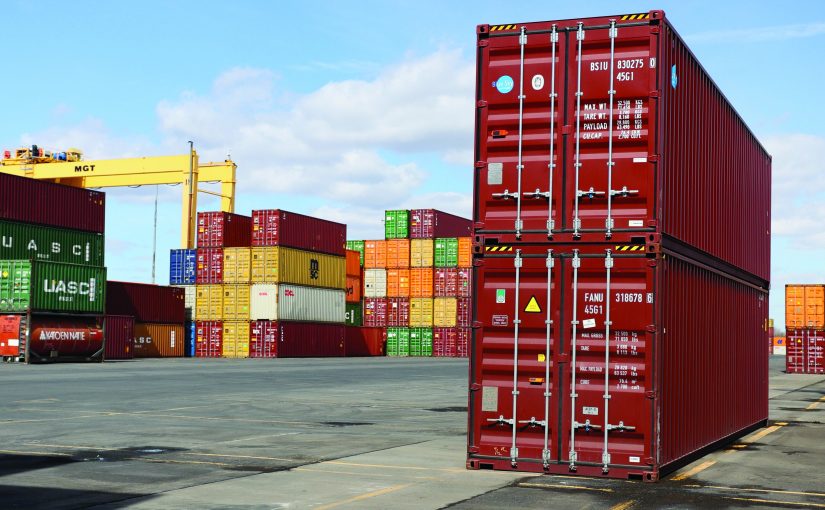
Auto theft has increasingly been recognized as a form of transnational organized crime, particularly with criminal syndicates specializing in moving stolen vehicles across borders for resale or disassembly. According to the Government of Canada, stolen vehicles generally have three possible trajectories, namely being exported overseas, having their vehicle identification number (VIN) cloned or “revinned” and being resold within Canada, or being disassembled for parts. It is reported that approximately 60 percent of vehicles are stolen for export, while the majority of the remainder are being revinned and resold within Canada.
In order to access the rest of the article sign in with your IACP or Subscriber credentials.