

- AA
- Share
Celebrate National Forensic Science Week with Police Chief!
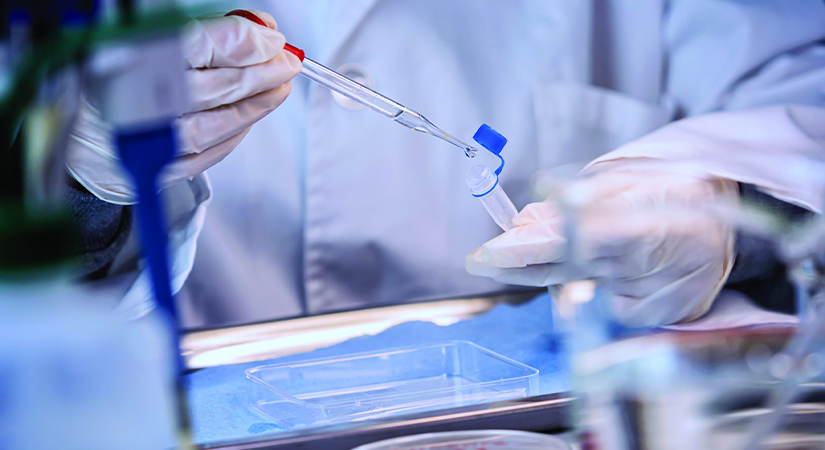
Explore Police Chief articles about Forensic Science below:
-
Safeguarding Forensic Science Professionals

Forensic science professionals are vital personnel in the criminal justice system who routinely operate in high-stress environments. The forensic science field comprises many distinct professional roles, including civilian and sworn employees of law enforcement agency crime laboratories, police forensic units (such as crime scene units and fingerprint units), and associated medical examiner or coroner offices. …
-
Police Crime Lab Accreditation Initiative
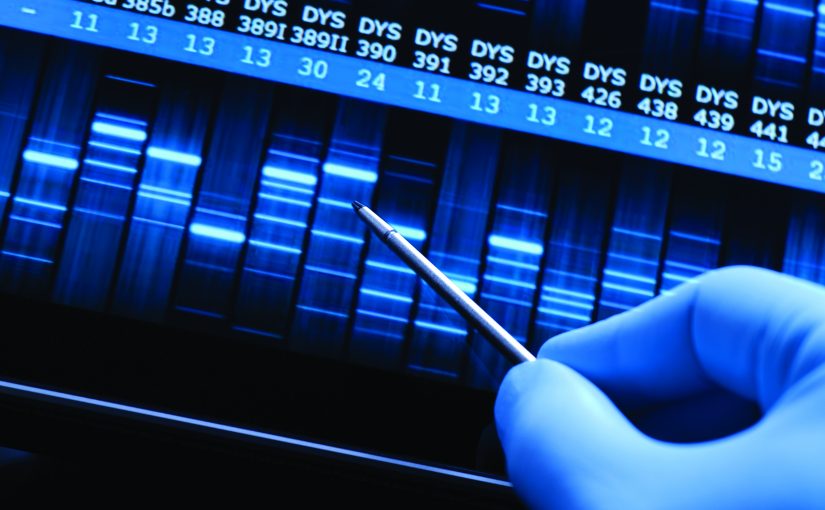
Crime labs, also known as forensic science service providers (FSSPs), work with law enforcement to investigate crime scenes and collect evidence for investigations. They conduct testing on everything from fingerprints and DNA to gunshot residue while helping to maintain the integrity of the investigation through meticulous documentation and proper chain-of-custody procedures. In the United States,…
-
Forensic Laboratories as Drug Policy Partners
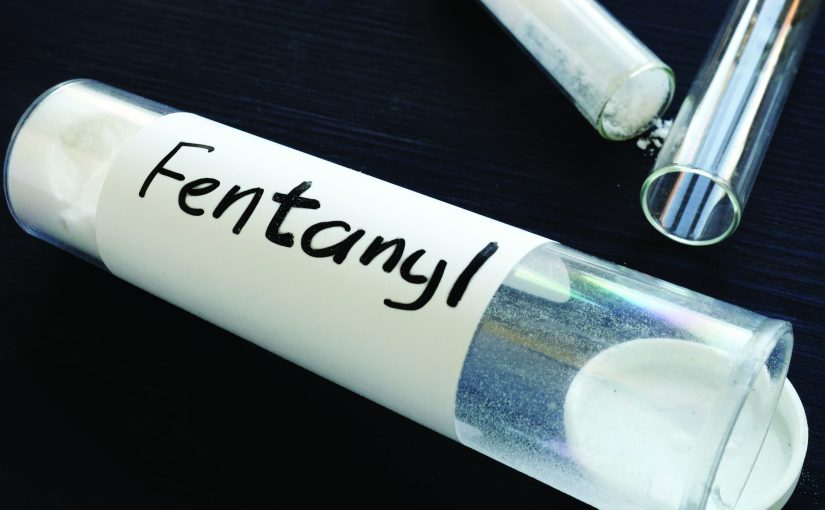
Publicly funded crime and forensic laboratories serve as repositories of extensive public health and public safety data, with the potential for utilization at the local, regional, state, and national levels to inform better policy and legislation. This raises questions about the programs responsible for generating such data, the best practices for its effective use, the…
-
Who Is Processing Your Crime Scenes?
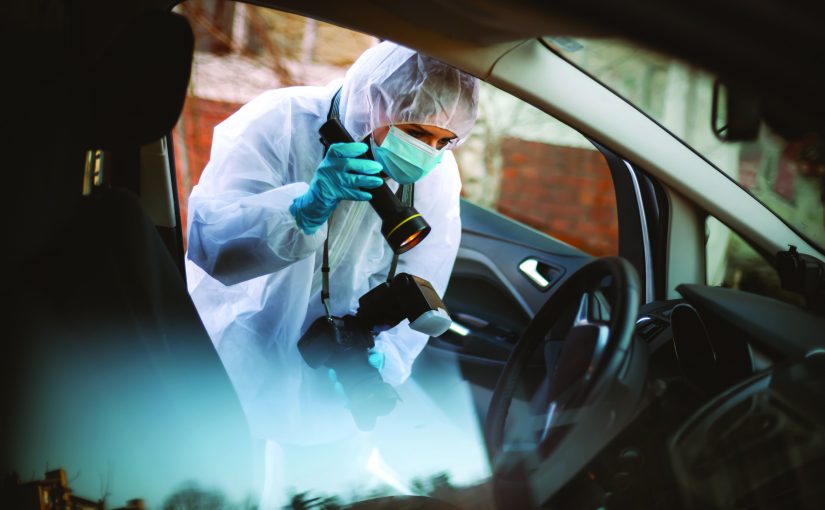
Lady Justice holds ancient symbols while wearing a blindfold. This representation of the U.S. criminal justice system conveys fair and equal treatment under the law for all. This fair and equal treatment is not intended to apply solely to the courtroom; it applies to every facet of the criminal justice system, including law enforcement’s response…
-
Criminal Probes Must Seek the Truth
College courses in criminal justice teach it; police policies proclaim it; detectives and investigators are instructed in it: “The fundamental purpose of a criminal investigation is to find the truth.” This cornerstone of all law enforcement investigations reflects a principle ensuring investigators remain faithful to their oath of office and its accompanying ethical standards by…
-
Securing a Seat at the Table: How States Support Forensic Science Initiatives
Across the United States, state and local law enforcement agencies face increasing demands to prevent victimization and respond to crimes in their communities. Crime data on specific incidents, as collected through the National Incident-Based Reporting System (NIBRS) and Uniform Crime Reporting (UCR), can be useful to determine where the most pressing needs are and can clearly illustrate the…
-
Technology Talk: Portable Lasers Could Be the Future of Forensic Investigations
Forensic investigations have come a long way in recent years thanks to advancements in science. By collecting and analyzing DNA left behind at crime scenes, law enforcement investigators are increasingly able to identify potential suspects and victims due to the vast amount of information that these small traces of biological evidence can provide. However, relying…