
For more than two decades, police departments across the globe have trained and prepared for active shooter incidents. While these training programs are sometimes described using generic terms such as “mass casualty incident,” the courses usually focus on the tasks officers must perform when they respond to an incident involving a person actively murdering people.
Most individual police officers in the United States rarely, if ever, respond to active shooter incidents. Yet, this training is vital because any officer on any given day may be called upon to respond and must perform effectively. While an active shooter is a critical type of mass casualty incident police must train for, it is not the only type that police are called to respond to.
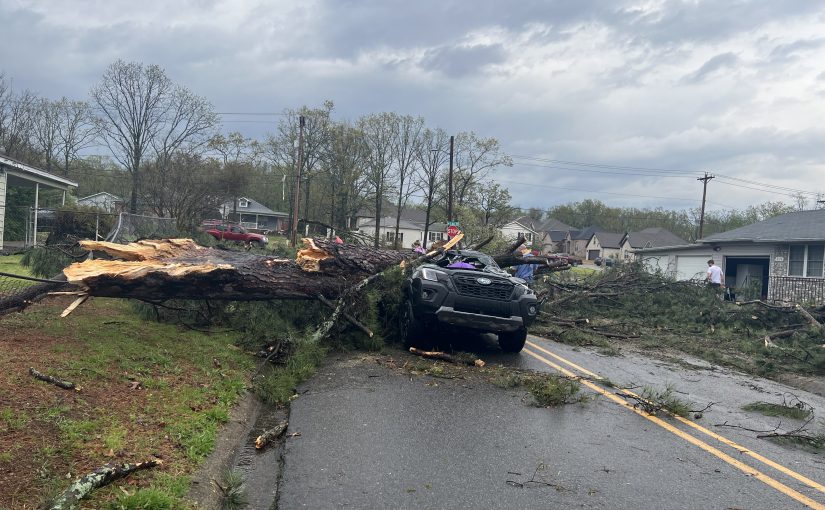
One specific hazard that police are expected to respond to is the damaged area resulting from a tornado. To prepare for such a response, police must first identify the specific tasks they will need to perform immediately upon arriving at the impact site. Unfortunately, little research has examined the specific tasks police perform when responding to the aftermath of a tornado. To address this lack of understanding, an in-depth research project was conducted to identify the specific role of the police when responding to the immediate aftermath of these events.
Background
Between March 31 and April 1, 2023, a significant storm system swept across the United States, producing reports of around 100 tornadoes throughout 11 states.. The tornadoes caused considerable damage and casualties. This outbreak provided the basis for the study.
To examine police response to the affected areas, the researcher conducted semi-structured interviews with police officers, supervisors, and commanders. A total of 26 officers from five different states were interviewed. The interview questions were designed to identify the specific tasks police perform at the impact area immediately after a tornado strike and to assess their preparedness to perform those tasks. The ultimate question the research sought to answer was “What is the role of the police when responding to the post-impact area of a tornado?”
The study identified five themes that highlight the tasks police perform and officers’ perspectives on their preparedness to perform those tasks. The themes include impact operations, protection, command and communication, collaboration, and preparedness.
Impact Operations
Impact operations consisted of the tasks officers performed as soon as they arrived at the impact location of the tornado strike. Many officers described engaging in tasks similar to those of search and rescue operations. These tasks included walking throughout the neighborhood and entering damaged structures. Officers provided immediate first aid, extracted individuals from damaged structures, and escorted them to safety. During the immediate response, the officers reported a lack of clear direction regarding which tasks to perform and engaged in improvised problem-solving.
Protection
Protection involved several tasks that officers undertook to protect citizens from future hazards. The two primary tasks officers performed within this theme involved ensuring appropriate traffic safety and preventing theft in the damaged area. Many officers described blocking streets due to downed power lines and other debris. Officers also described patrolling damaged areas due to unoccupied structures and encountering and arresting individuals looting them.
Command and Communication
The supervisors and commanders described the need to develop and implement an incident command system (ICS) and outlined the communication challenges associated with the tornadoes. Several supervisors reported being less proficient in the ICS process due to limited exposure. Officers had difficulty determining which tasks they needed to perform or how to respond to specific incidents. Officers also had difficulty communicating due to excessive radio traffic and cellphone service being down.
Collaboration
Police had to coordinate with numerous other responding agencies. In many cities, the immediate response to impact zones involved the police partnering with the fire department to provide search and rescue tasks. However, there were more police responders than firefighters, so not all officers had a firefighter with them during searches for injured individuals. Police officers encountered citizen volunteers and were able to direct them to volunteer staging areas.
Preparedness
The final theme identified in the study involved preparedness. This included the policies in place at the police agencies during the tornado response, the training officers received to prepare for the response, and the officers’ emotional reactions after the incident. Every supervisor interviewed reported having policies and procedures that guided their behavior. However, few frontline-level officers knew what these procedures were, and none reported that the procedures guided their behavior. Most officers reported that they had not received training to prepare them for the response. Some officers reported that their prior training for active shooter events helped them respond to the tornado, whereas others reported that such training did not help at all.
The Role of the Police
The study found that “the police’s role when responding to a tornado’s post-impact area is to collaborate with other responders to provide immediate search and rescue operations and to protect the community overall.”1
The study identified 40 specific tasks within 4 of the 5 themes that police perform at the impact area immediately after a tornado strike.
| Theme | Task Police Perform |
|
Impact Operations |
Pre-Position Open Shelters in the City Seeking Shelter Seeking Survivors Walking Through the Neighborhood Checking Citizens’ Welfare Entering Damaged Structures Marking Checked Houses Extracting People Escorting Providing First Aid Assisting the Elderly Encountering Death |
|
Protection |
Identifying Damage Checking on Property Allowing for Re-Entry Directing Traffic Checking on Blocked Streets Blocking Streets Preventing Additional Hazards Clearing Debris Preventing Looting Patrolling Damaged Area Patrolling Undamaged Area Securing an Area for Volunteers Security for the City Providing Information Writing Reports for Insurance |
|
Command and Communications |
Creating ICS Casualty Collection Reunification Zone Triage Centers Relieving Overworked Officers Calling in Officers from Home Assigning Officers to Locations Standing By Assigning Tasks Using a Scribe |
|
Collaboration |
Assigning Volunteers Tasks Coordinating Donations |
Recommendations
Ten practical recommendations were identified for police trainers and commanders to implement to ensure that their officers can respond effectively to tornado impacts.
1. Police officers should be trained in weather spotting techniques.
Many of the officers interviewed reported being pre-assigned to specific locations throughout the city and observed the tornado as it entered the city. While not explicitly stated, the task that best describes this activity is weather spotting. The National Weather Service has a two-hour online training program called SKYWARN that teaches people how to identify and spot severe weather.
2. Police officers should receive basic search and rescue training.
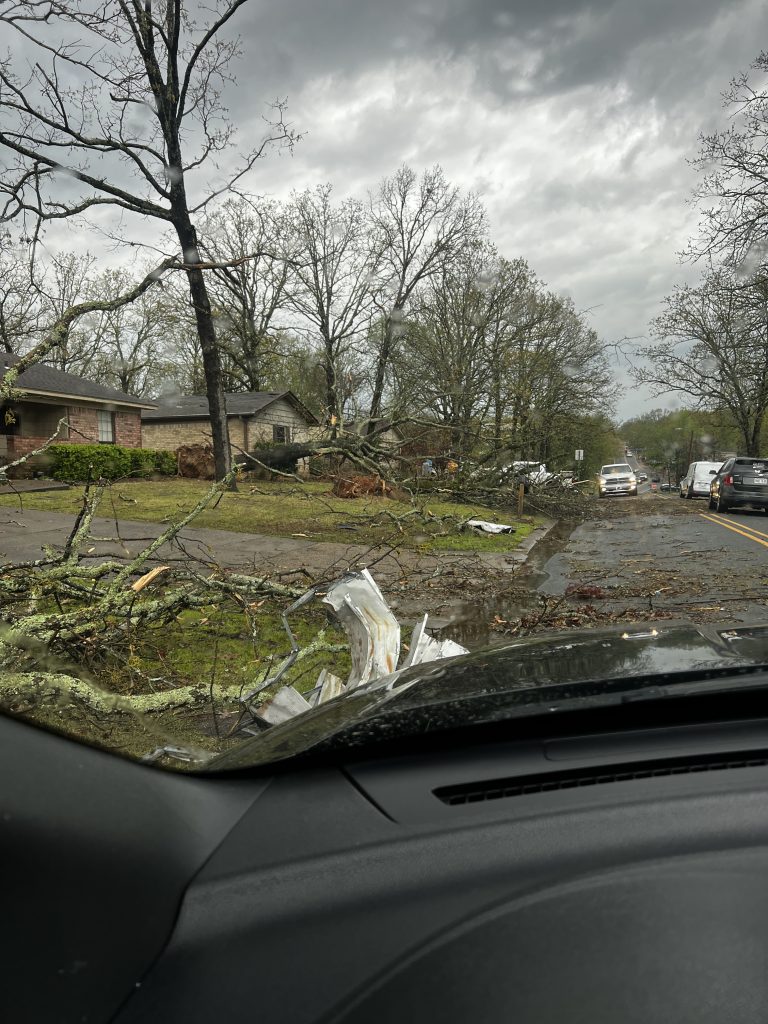 The first action many officers took upon arrival at the impact site was to enter and crawl through damaged structures to search for survivors. The officers did not understand the risk of entering these structures, nor did they have any safety equipment. Some officers explained that they chose not to enter damaged structures due to the inherent risk and the lack of appropriate equipment. Brief search and rescue training that describes when an officer should enter a structure and when they should avoid it would help guide officers’ responses.
3. Police officers should be encouraged to take initiative when they arrive immediately at the damaged location.
While improvisation by frontline-level officers upon arrival at a disaster scene may seem counterintuitive within an ICS structure, it is a critical component of what the community needs. When a tornado strikes a large residential area, officers will be deployed immediately throughout the impact area, before an incident commander can assess the situation and assign tasks. Many of the officers who were interviewed described lacking a clear direction on which tasks to perform, so they personally decided what tasks were most important when they arrived, such as blocking traffic and searching for survivors.
4. Police commanders must assign officers to patrol areas to prevent theft in both damaged and undamaged areas.
Many structures were left unsecured immediately after the tornado struck, necessitating the assignment of officers to patrol areas for potential looters. Several of the officers interviewed reported encountering individuals entering damaged areas and stealing items.
5. Police supervisors must regularly train and practice ICS.
When major incidents require collaboration across multiple disciplines, such as the fire department and public works, these agencies will expect the police to initiate ICS. The supervisors interviewed held mixed views on the effectiveness of the ICS, with some acknowledging limited proficiency due to limited exposure. The only way to become proficient with the structure is through regular practice or training.
6. Police should plan on communication challenges.
During the immediate response phase, many cities lacked cellphone service, and limited radio channels led to overwhelming radio traffic. Police departments should plan out contingencies for a disruption in cellphone and radio service.
7. Police officers should train with first responders from other disciplines.
Many police departments throughout the United States have seen value in collaborative training with fire departments and paramedics to respond to mass shooting incidents. This training should be expanded to include other complex responses, such as tornadoes.
8. Police departments should pre-plan for the response of volunteers
Many officers encountered volunteers immediately after the tornado struck and did not know what the volunteers should do—nor where they should go. As police officers plan to establish staging areas, casualty collection areas, and reunification zones, they should also designate a point for volunteer response.
9. When severe weather is expected, police commanders should review disaster procedures with patrol officers.
Every supervisor interviewed explained that their agency had policies and procedures to guide their decision-making; however, nearly every officer interviewed was unclear about any departmental policies that explained what they should do during a disaster. A severe weather warning provides a good opportunity for commanders to review this policy with their officers during the daily briefing.
10. Police should expand their current training into an all-hazards approach.
All officers interviewed reported having some form of active shooter training, whereas most had no tornado-related training. Some of the officers intuitively understood how their response to the tornado strike related to active shooter training, whereas others could not make this connection. It became clear throughout the interviews that officers lacked training in the specific tasks they were being asked to perform. Rather than implementing a dedicated tornado response training program, police departments could incorporate this type of training into their existing curricula. If officers are participating in a multiday school on responding to an active shooter, the instructor could spend a few minutes discussing the similarities between this response and responses to a stadium collapse, an earthquake, or a tornado.
While the final recommendation advocates expanding police trainers’ incident-specific training programs to a broader all-hazards approach, all recommendations should be viewed through an all-hazards lens. Preparing officers to respond to a tornado strike should also prepare them to respond to other mass casualty incidents, such as wildfires, hurricanes, and active shooter incidents.
Model Stages of Police Proficiency for Tornado Response
In addition to the recommendations, the study produced a Model Stages of Police Proficiency for Tornado Response, which outlines four proficiency stages that police officers must master to respond effectively to a tornado strike.
Stage 1: General Police Skills
The first stage of proficiency for a police officer to respond to tornado strikes is the starting point for all officers as they begin their careers. Many of the tasks officers perform during a tornado strike are the same as those they would perform in routine operations, such as directing traffic, patrolling the area, and responding to criminal activity.
Stage 2: Search and Rescue Skills
Many of the officers interviewed described performing skills not traditionally taught to police officers, such as searching for survivors, entering damaged structures, extracting individuals, and providing immediate first aid. Police officers who work in areas at risk of tornadoes or other natural hazards should receive training in search and rescue operations.
Stage 3: Adaptability and Improvisation Skills
The study found that during the response phase to tornado strikes, many officers encountered unique challenges, overcame numerous communication barriers, and worked with individuals from unfamiliar agencies. The officers’ ability to adapt and improvise proved invaluable to overcoming many of these challenges.
Stage 4: Incident Command Skills
The final stage of proficiency required for police officers responding to a tornado strike is knowledge of ICS. Many supervisors reported being less proficient in conducting ICS than firefighters due to limited exposure and training.
Conclusion
The community expects police officers to respond to all emergencies, from minor traffic accidents to major disasters involving mass casualties. Ensuring that officers have the skills and resources to respond effectively to these incidents is the responsibility of police commanders. By shifting from incident-specific training to an all-hazards approach, police commanders can prepare their officers to respond effectively and adapt appropriately to the diverse challenges they encounter. d
Note:
1Joe Loftus, “Responding to Tornadoes: A Constructivist Grounded Theory of the Post-Impact Role of Police in the United States,” (PhD diss., Oklahoma State University, 2025).
Please cite as
Joe Loftus, “The All-Hazards Imperative: Lessons Learned from Tornado Response,” Police Chief Online, August 19, 2026.