

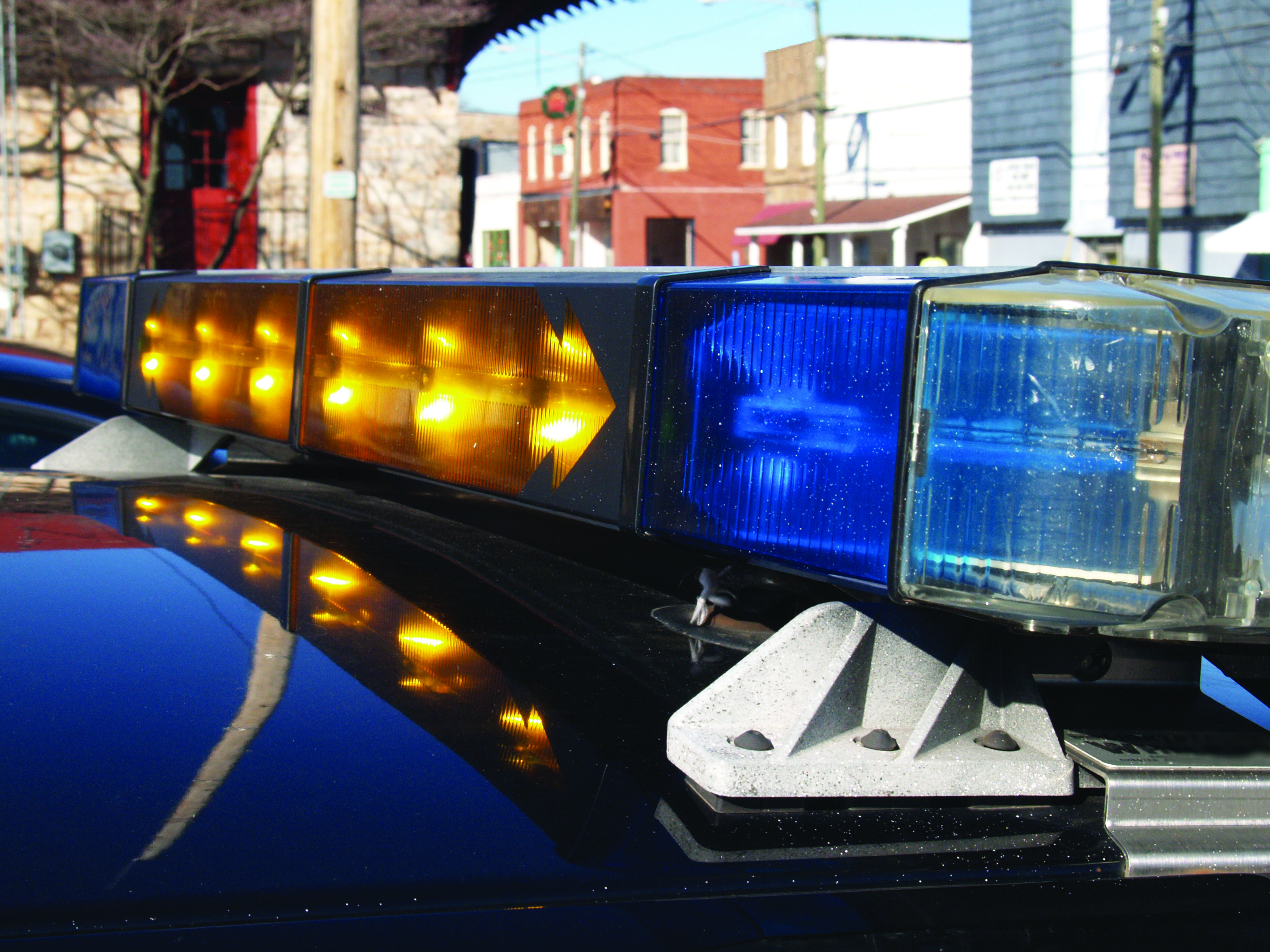
Over the past several decades, the United States has made great strides in traffic safety. It has been a collaborative effort among federal and state governments, law enforcement, community leaders, automobile and parts manufacturers, researchers, and individuals. A great deal of time and effort has been invested in an attempt to make drivers, vehicles, and roadways safer. Auto manufacturers long have worked to design vehicles with enhanced safety features, such as auto braking and lane departure warnings, and now are poised to work under a U.S. Department of Transportation proposed rule that would mandate vehicle-to-vehicle communication, ultimately reducing collisions. In addition, engineers continue to work toward improving roadway infrastructure, and law enforcement, while managing shifting priorities, considers traffic safety as one of its core responsibilities.
Traffic Safety Initiatives: Evolving the Statewide Traffic Safety Culture in Illinois
Read More
Share
With over 8,000 credentialed drug recognition experts (DREs) in the world, many agencies have a well-established DRE program with several DREs in their employ. But there are also many more agencies t...
Share
As it has across the United States, the landscape of impaired driving enforcement in Alabama has shifted dramatically over the past decade.
While alcohol and prescription drugs continue to pose subst...
Share
In impaired driving (also known as driving under the influence or DUI) cases, the courtroom outcome often hinges on a document prepared long before the judge ever considers the matter—the law enforc...
Share
A common question heard in substance-impaired driving classes is, “Why do we do it this way?” Too often, the answer is simply, “Because that’s how we’ve always done it” or “That’s what...
Share
The world of impaired driving isn’t what it used to be. Alcohol is still the old villain, but it’s no longer acting alone. A more complicated, more dangerous player has entered the scene—poly-dr...
Share
A few years ago, the Colorado State Highway Safety Office identified a recent trend of increased refusal rates of impaired drivers of the required chemical test. While some U.S. states are implied con...
Share
According to the 2020 National Survey on Drug Use and Health, self-reported data revealed that 37.3 million individuals (ages 12 years or older) were current illicit drug users in the United States. M...
Share
Across the United States, police officers are encountering a troubling pattern: drivers who show unmistakable signs of impairment, such as slurred speech, slowed reaction time, or poor coordination, y...
Share
While there are law enforcement agencies that are fully staffed, many do not have the resources necessary for timely response to every call for service. When considering how leadership could improve o...
Share
In 2023, there were over 1,500 drug-impaired drivers for each certified drug recognition expert (DRE) in the United States. Research has shown that a 10 percent increase in driving under the influence...