

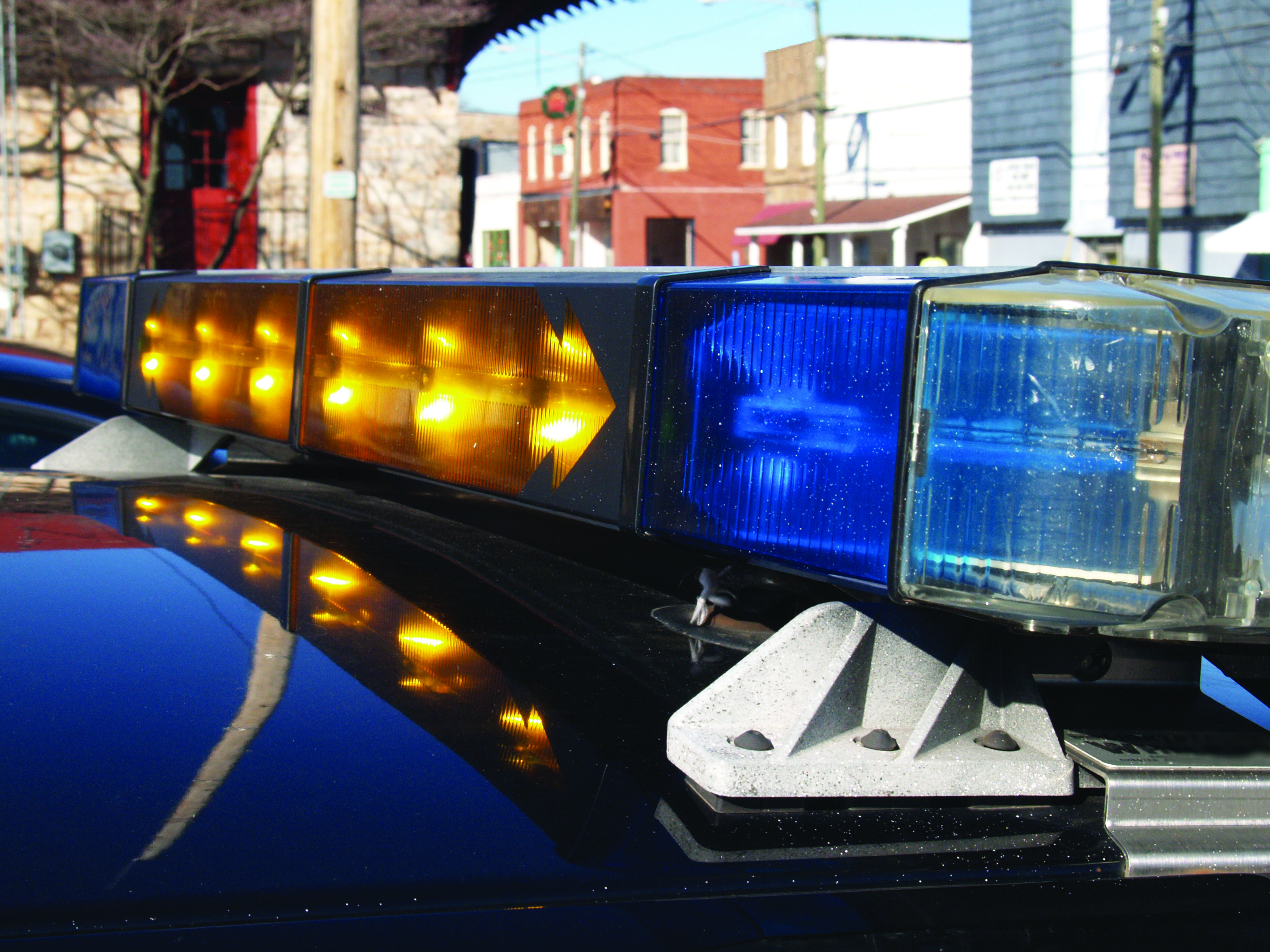
Traffic Safety Initiatives: Predictive Analytics as a Traffic Safety Tool

One of the top priorities for most state police or highway patrol colonels in the United States is to lower the traffic fatality rate in their states. However, tight budgets and limited personnel resources make it increasingly difficult to accomplish that task. The challenge is to figure out ways to improve public safety and drive down the fatality rate without significantly increasing the budget. The phrases “work smarter” and “do more with less” may sound familiar and represent the position highway patrols find themselves in.

For several years, the traffic fatality rate decreased steadily with improvements in safety technology, increased seat belt use, and the success of enforcement programs. That pattern continued until 2015 when the United States experienced an approximate 8 percent increase in traffic fatalities. It remains to be seen if 2015 is an anomaly or the beginning of a dangerous trend in traffic safety, but low gas prices and an improved economy will lead to record travel mileage numbers and a continued difficulty to control the carnage on highways. Adding to the challenge is the exploding problem of distracted driving; everyone seems to feel the need to stay constantly “connected” instead of concentrating on driving their vehicles safely.

Read More
Traffic Safety Initiatives
Share
As it has across the United States, the landscape of impaired driving enforcement in Alabama has shifted dramatically over the past decade. While alcohol and prescription drugs continue to pose subst...
Traffic Safety Initiatives
Share
In impaired driving (also known as driving under the influence or DUI) cases, the courtroom outcome often hinges on a document prepared long before the judge ever considers the matter—the law enforc...
Traffic Safety Initiatives
Share
A common question heard in substance-impaired driving classes is, “Why do we do it this way?” Too often, the answer is simply, “Because that’s how we’ve always done it” or “That’s what...
Traffic Safety Initiatives
Share
The world of impaired driving isn’t what it used to be. Alcohol is still the old villain, but it’s no longer acting alone. A more complicated, more dangerous player has entered the scene—poly-dr...
Traffic Safety Initiatives
Share
A few years ago, the Colorado State Highway Safety Office identified a recent trend of increased refusal rates of impaired drivers of the required chemical test. While some U.S. states are implied con...
Traffic Safety Initiatives
Share
According to the 2020 National Survey on Drug Use and Health, self-reported data revealed that 37.3 million individuals (ages 12 years or older) were current illicit drug users in the United States. M...
Traffic Safety Initiatives
Share
Across the United States, police officers are encountering a troubling pattern: drivers who show unmistakable signs of impairment, such as slurred speech, slowed reaction time, or poor coordination, y...
Traffic Safety Initiatives
Share
While there are law enforcement agencies that are fully staffed, many do not have the resources necessary for timely response to every call for service. When considering how leadership could improve o...
Traffic Safety Initiatives
Share
In 2023, there were over 1,500 drug-impaired drivers for each certified drug recognition expert (DRE) in the United States. Research has shown that a 10 percent increase in driving under the influence...
Traffic Safety Initiatives
Share
Oscar Kilo—the National Police Wellbeing Service (NPWS)—is specifically designed to provide support and guidance for organizational wellness to all police agencies within England and Wales. The pr...