

- AA
- Share
Honoring Mental Health Efforts Across the Policing Profession

Explore Police Chief articles about Mental Health below:
-
After the Call

It’s 2013 in the city of Louisville, Kentucky. A rookie cop gears up for the start of his shift. He’s working nights and loves it. Summer is the busy time of year. Really, the whole year is busy. Louisville has crime like every other city, and there is always work to be done. Roll call…
-
Don’t Bring It Home
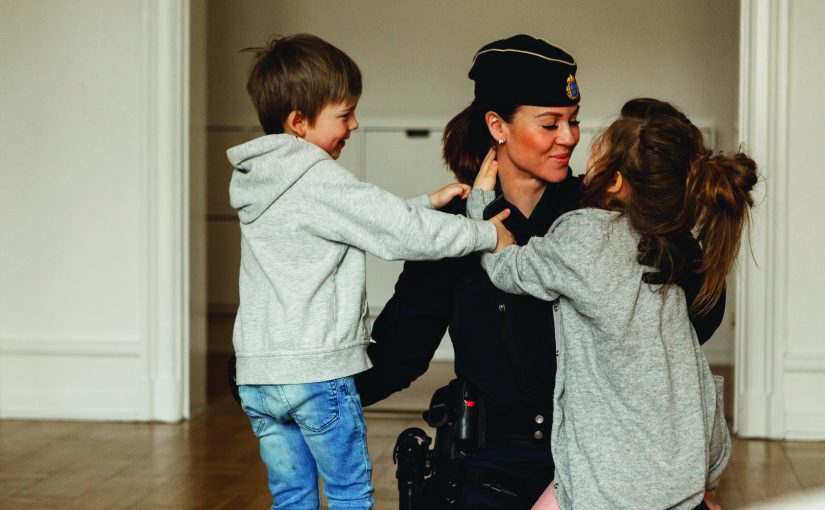
“Don’t bring it home” is one of the most common phrases exchanged among police officers and other first responders. It is offered with good intentions, often following particularly difficult calls or during informal debriefs at the end of a shift. Yet, while the advice is repeated frequently, it is rarely explained. Officers are told what not to do,…
-
He Did Not Want to Die
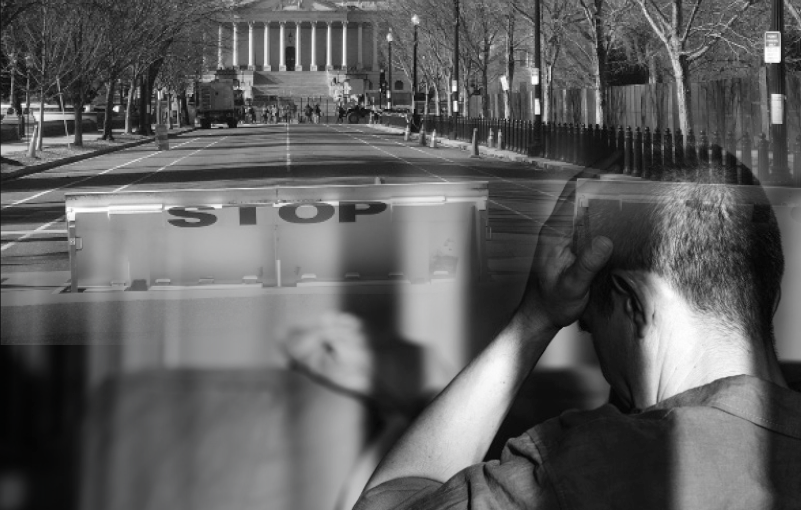
He did not want to die. He did not have to die. But, like so many officers over the years, he died by suicide. Howard “Howie” Liebengood was a 51-year-old, 15-year veteran of the United States Capitol Police. On January 6, 2021, he was on duty protecting the U.S. Capitol. In the days that followed,…
-
Nobody Fights Alone

Every day, police officers around the world encounter individuals in crisis. Unfortunately, some of these individuals are military veterans suffering from unique challenges associated with their service to their nation. The Military Veterans Wellness Program (MVWP), a groundbreaking initiative developed by the Toronto Police Service, has revolutionized how police personnel interact with and support this…
-
Fight or Flight in Overdrive
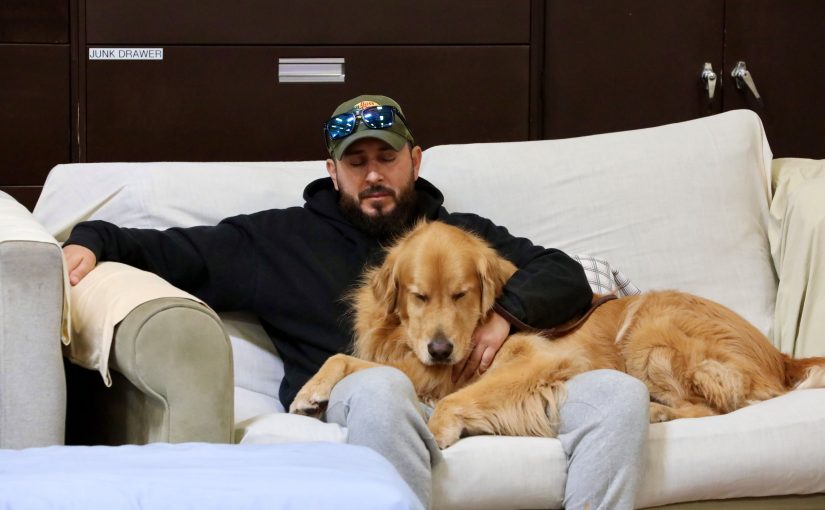
Across the landscape of police wellness, there is a critical missing piece when it comes to supporting those who serve and protect. The missing piece is this: Just as multiple head injuries create biological changes associated with post-concussive syndrome, multiple trauma exposures cause biological changes that alter the functioning of the fight or flight system.…
-
The Science, Honor, and Dignity of Stories
There is a saying that “stories are science,” and this notion holds particular significance when conducting psychological autopsies to investigate police officer suicides among active and retired members. The idea that stories are science is not a universally applied concept; its validity lies specifically in the context where stories are thoughtfully invited, systematically collected, and…
-
Officer Wellness Is Not Enough

In recent years, officer wellness has become a pivotal focus within agencies worldwide. Programs designed to support mental health, physical health, and overall well-being are essential, given the high-stress nature of officers’ duties combined with off-duty personal stressors. Despite these initiatives, many agencies are still grappling with low morale and high turnover rates. This is…
-
Focus on Officer Wellness: Quieting the Chatter
The alarm goes off. You steady yourself as you acknowledge the poor inconsistent quality of sleep you experience night after night. In spite of it all, when you walk into the daily briefing, you feel that familiar rush… Those in policing often suffer from adrenal exhaustion and fatigue, a byproduct of daily hypervigilance, which can…
-
Officer Self-Sabotage

The stoic culture of law enforcement and the persistent stigma around seeking mental health treatment has contributed to police officers engaging in self-destructive behavior. Many police officers have difficulty asking for or even admitting that they need help. Sometimes officers consciously or unconsciously engage in conduct that forces their agencies to take action to remove…
-
Stories Save Lives

When people hear a story, it resonates with them. It remains in people’s minds and memories much longer than a lecture. Listeners are able to relate to the story and recall what helped and what did not. During stories of struggle and resilience, the listeners feel the speakers’ emotions, and the stronger those are felt, the…