

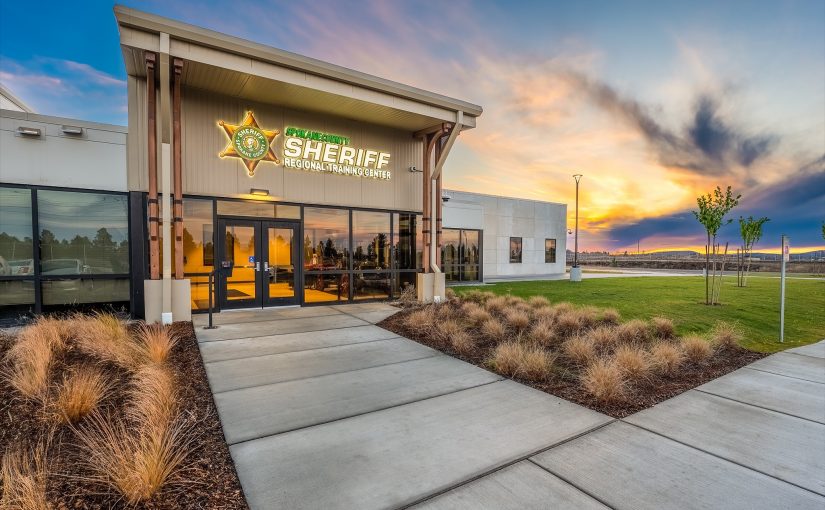
Law enforcement agencies face growing demands for real-time decision-making in increasingly complex environments. For the Spokane County, Washington, Sheriff’s Office (SCSO), meeting those demands required a fundamental shift in how deputies access and use information.
Serving a population of more than 550,000 across nearly 1,800 square miles of urban, suburban, and rugged rural terrain, SCSO has built a mobile-first policing model that delivers real-time intelligence directly to deputies—wherever they are. At the center of this transformation is a real-time crime center (RTCC) supported by resilient, high-capacity connectivity and prioritized network access—enabled by T-Mobile’s 5G network and T-Priority service for public safety. The result is a force multiplier that enhances officer safety; accelerates investigations; and enables faster, more informed decisions in dynamic environments.
From Critical Gaps to Real-Time Awareness
SCSO’s technology evolution was driven by necessity. A 2017 school shooting exposed a critical gap: responding personnel lacked immediate access to real-time intelligence.
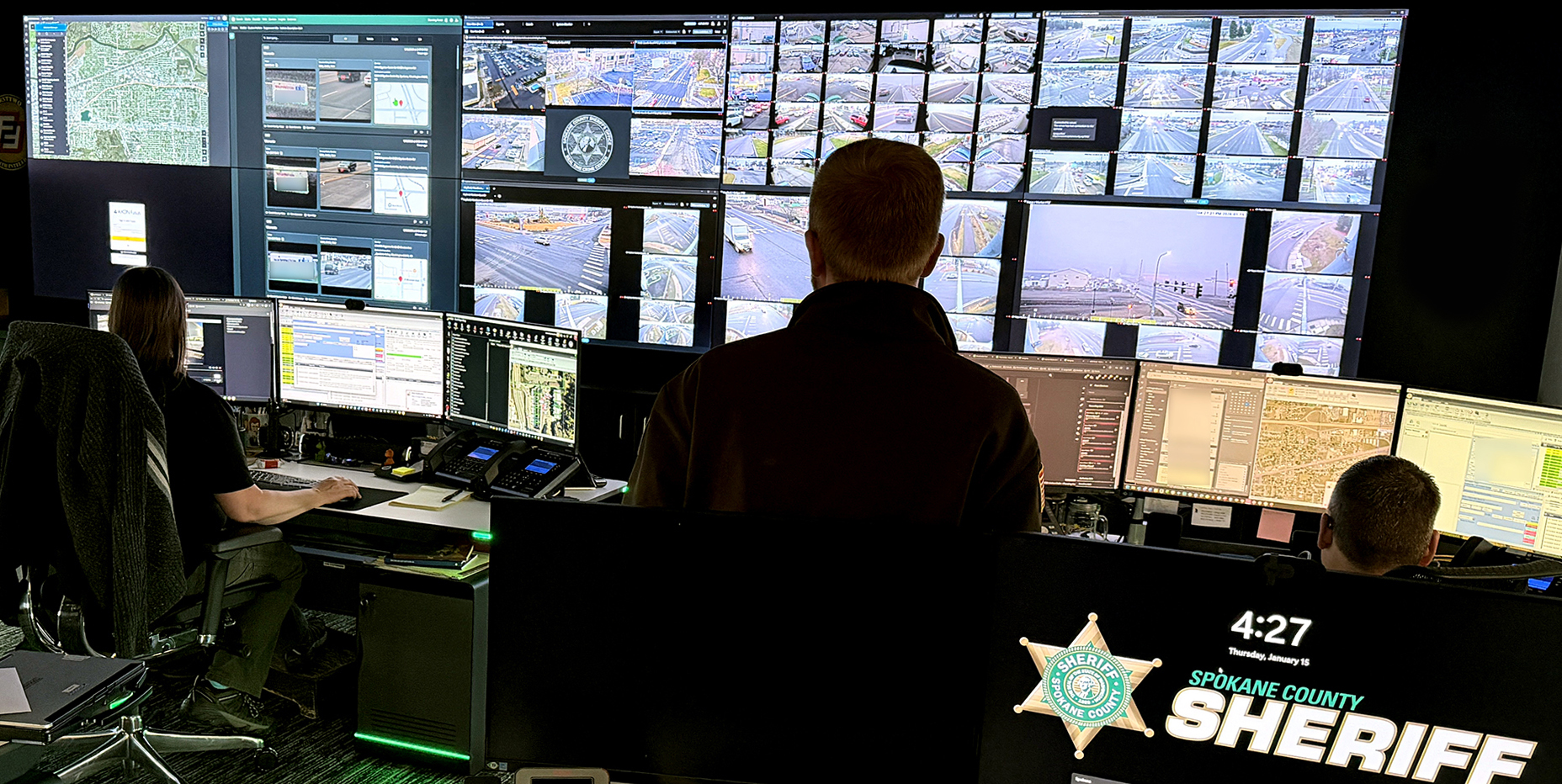
“What we needed,” explained Undersheriff Dave Ellis, “was the ability to know—right away—what was happening, where it was happening, and who was involved. We started looking at ways to integrate school cameras into a platform that would allow our officers and staff to get real-time intelligence.”
What began as a proof-of-concept project—pulling video feeds from schools, jails, traffic cameras, and public safety facilities—ultimately evolved into a comprehensive RTCC that opened in August 2024 and has fundamentally changed how information flows within the agency.
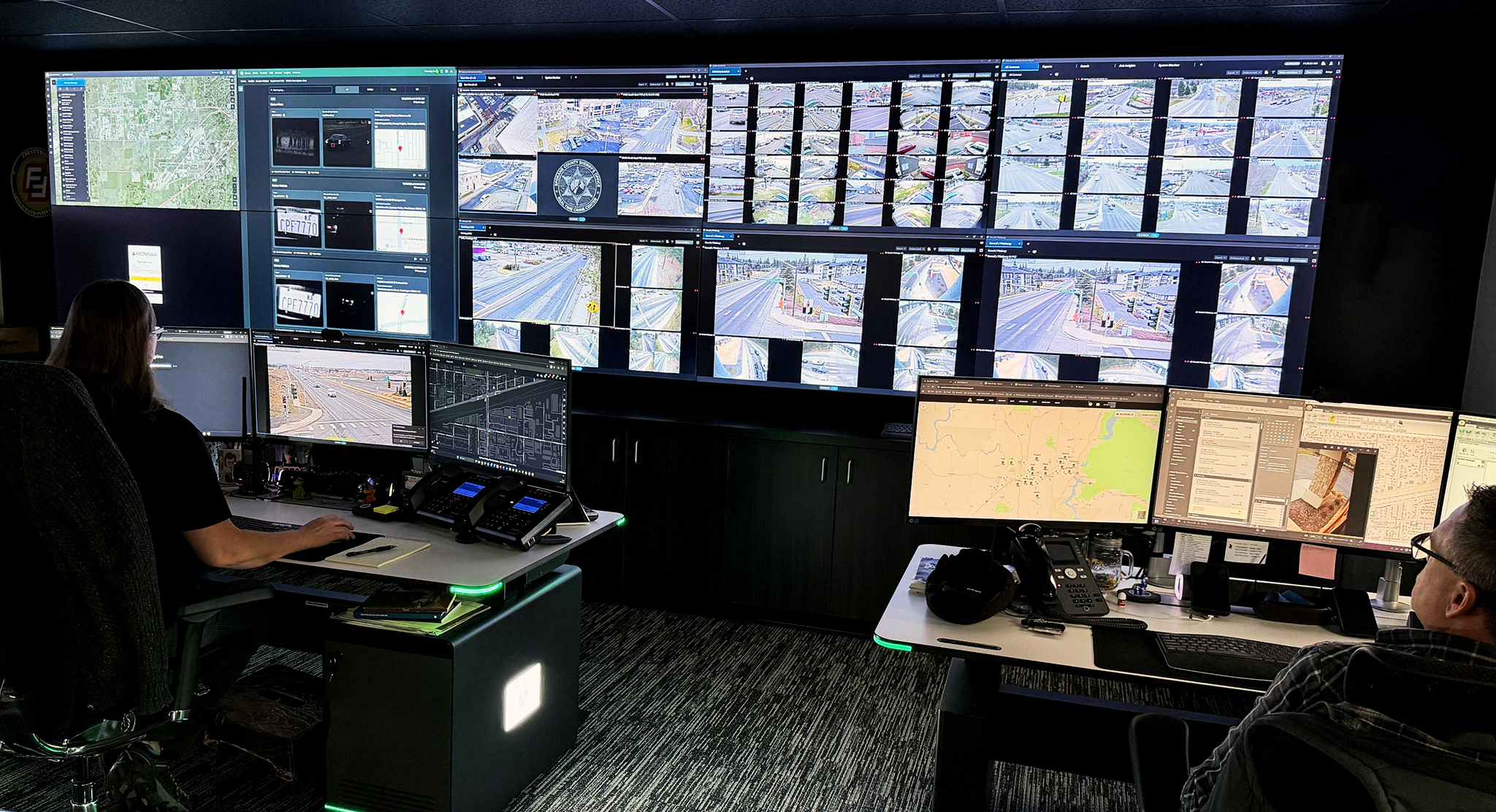
The RTCC integrates hundreds of camera feeds—including schools, traffic systems, drones, helicopters, and more than 400 private-sector partners—providing a unified, real-time operating picture for analysts and field personnel. Analysts access live data and push actionable intelligence to deputies in the field.
Intelligence in the Field, Not Just at Headquarters
A key principle drives SCSO’s approach: if information is available in the RTCC, it must also be available to deputies in the field.
To achieve that, every sworn officer is equipped with a smartphone that provides access to
-
- computer-aided dispatch (CAD)
- records and investigative databases
- license plate reader alerts
- live video from body-worn cameras, drones, and fixed systems
This mobile access has changed the tempo of policing. Investigations no longer stall overnight. Deputies can develop leads, identify suspects, and make decisions in real time—even during late-night shifts or in remote areas.
It has also altered how support functions operate. Analysts can monitor incidents as they unfold, run license plates and subjects proactively, and provide intelligence without deputies needing to request it over the radio. This reduces workload while improving situational awareness, operational effectiveness, and officer safety.
The Connectivity Behind the Capability
Delivering these capabilities depends on reliable connectivity through a dedicated 5G standalone network slice built specifically for public safety. During periods of network congestion—such as large public events or emergencies—first responder communications are prioritized over commercial traffic.
Ellis pointed to a major annual event as an example: “With tens of thousands of people in one place, networks get congested. With T-Priority, our data goes to the front of the line, and that helps ensure we can maintain operations.”

This distinction is operationally significant. The network does not inherently make applications faster under normal conditions—but during congestion, it helps preserve performance for mission-critical communications. For agencies relying on live video, real-time queries, and mobile data access, that consistency can directly impact outcomes.
Extending Beyond Traditional Coverage
SCSO also recognized that even the most robust terrestrial networks have limits—particularly in a county that includes remote wilderness areas and rugged terrain.
To address those gaps, the agency is incorporating T-Satellite, which extends connectivity beyond traditional cellular coverage by enabling direct communication via satellite when terrestrial networks are unavailable. This provides deputies with a critical layer of resilience when cellular coverage is unavailable.
“We can often communicate [with cellular] where we don’t have radio coverage,” Ellis explained. “And when cell coverage is nonexistent, T-Satellite helps us stay connected in places we never thought possible.”
This capability helps agency personnel maintain continuity when incidents move beyond the reach of terrestrial networks. Together, they provide a layered approach—prioritized performance during congestion and extended reach when coverage is unavailable.
In parallel, SCSO is implementing mission-critical push-to-talk (MCPTT) over cellular, integrated with existing radio systems. This allows command staff and investigators to communicate using smartphones while maintaining interoperability with traditional land mobile radio systems. The result is not a replacement for radio—but an expansion of capability, adding voice, video, and location-sharing functions that extend operational reach.
Real-Time Operations in Practice
The operational impact of SCSO’s technology ecosystem is evident across multiple use cases.
Tactical Operations
During high-risk incidents, live body-worn camera feeds can be streamed into the RTCC, allowing analysts and supervisors to monitor events in real time. Notably, deputies frequently request live streaming during high-risk encounters—reflecting trust in the system and its value for officer safety.
Investigations
SCSO uses an integrated platform to search across CAD data, reports, video, photos, and other records simultaneously. In one case, detectives identified a suspect by matching a unique shirt seen in unrelated surveillance footage—an investigative lead that would have been nearly impossible to uncover using traditional methods.
Disaster Response
During major wildfires, RTCC analysts used live camera feeds and traffic data to identify evacuation routes, monitor conditions, and effectively deploy personnel—supporting rapid, informed decision-making in a fast-moving crisis.
Proactive Policing and Coordinated Operations
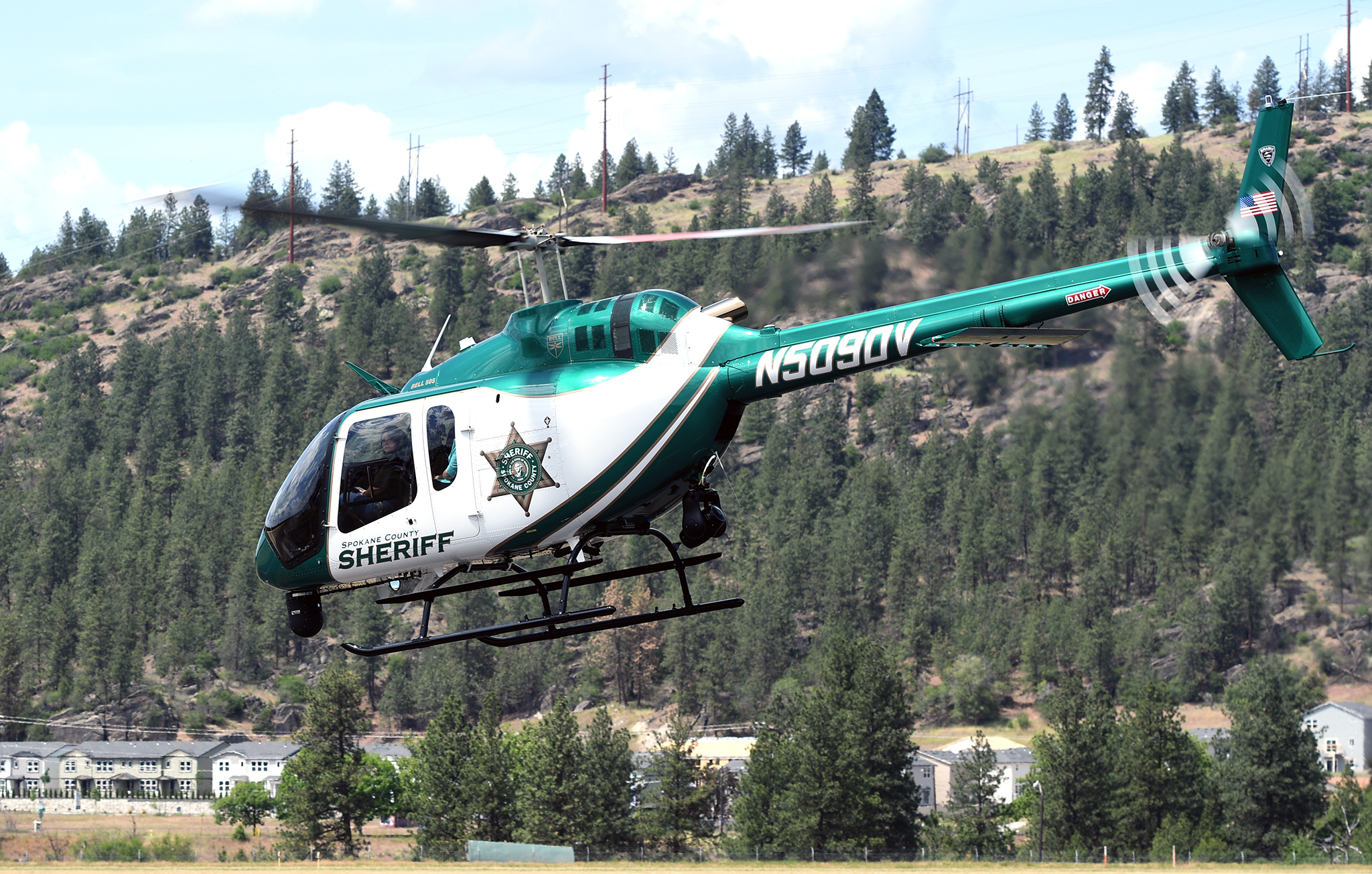
SCSO is also leveraging the Team Awareness Kit (TAK) to support large-scale operations and investigations, enabling real-time coordination between field units and the RTCC. The platform allows personnel, vehicles, and aerial assets to share location and operational data.
“TAK is powerful, and we will likely expand its use with the helicopters and patrol,” Ellis noted. “It facilitates live sharing and gives commanders a more comprehensive operational picture.”
Field assets further extend the RTCC’s reach. The agency deploys four “cameras on wheels”—retrofitted patrol vehicles equipped with elevated cameras and license plate readers—that can be positioned in high-crime or high-visibility areas. Designed for sustained deployment, these platforms provide both a deterrent effect and valuable investigative capability.
“We want to be very overt,” Ellis said. “We want the community to see it as a sign of safety.” Businesses have reported immediate and sustained crime reduction when the units are deployed.
The RTCC’s capabilities also extend beyond SCSO, supporting regional partners and improving coordination during multi-agency incidents.
Technology as a Recruiting and Retention Advantage
While many agencies struggle with staffing, SCSO has maintained full staffing levels—an outcome Ellis partially attributes to its investment in technology.
“We highlight our technology in recruiting,” he said. “We want candidates to know they’ll have the tools to do the job effectively.”
For newer generations entering law enforcement, expectations around technology are high. Agencies that provide real-time tools, mobile access, and operational support systems are better positioned to attract and retain talent.
A Replicable Model for Agencies of Any Size
SCSO’s success is not simply the result of funding or scale. In fact, one of the most important lessons from Spokane County is that this model is replicable.
Key takeaways for other agencies include the following:
-
- Start with integration, not acquisition. Systems must work together. Interoperability should drive procurement decisions.
- Prioritize field access. Technology should empower deputies, not remain confined to a command center.
- Leverage partnerships. Community and private-sector camera integrations can significantly expand capability at minimal cost.
- Build incrementally. Agencies do not need to implement everything at once—progressive development can yield meaningful results.
- Ensure connectivity is mission-ready. Real-time tools are only as effective as the network supporting them.
The Bottom Line for Law Enforcement Leaders
SCSO accomplishments demonstrate that modern policing is increasingly defined by information flow and connectivity.
Real-time video, mobile data access, and integrated intelligence are now operational realities. Their effectiveness depends on a network that can support them consistently, particularly when it matters most.
By combining a mobile-first strategy with prioritized connectivity and extended coverage, SCSO has created a model that enhances officer safety, improves investigative outcomes, and strengthens operational readiness.
For law enforcement leaders, the takeaway is straightforward:
Technology alone is not the solution—but when paired with reliable, prioritized connectivity and a clear operational vision, it becomes a powerful force multiplier.
| At T-Mobile, our critical mission is providing unparalleled 5G coverage for when connectivity is mission critical. And with T-Priority, built on T-Mobile’s 5G Standalone core, we’re delivering America’s best 5G network experience for first responders—even in times of congestion—with the nation’s first network slice for public safety. With more capacity, faster speeds, and better coverage, T-Priority helps ensure first responders stay connected when it matters most. And with 650+ satellites, the largest satellite-to-mobile constellation is ready to keep you connected in places where no one else can. |