

Strategic Policy Leadership
Linking Accreditation, Legislation, and Practice in Modern Policing
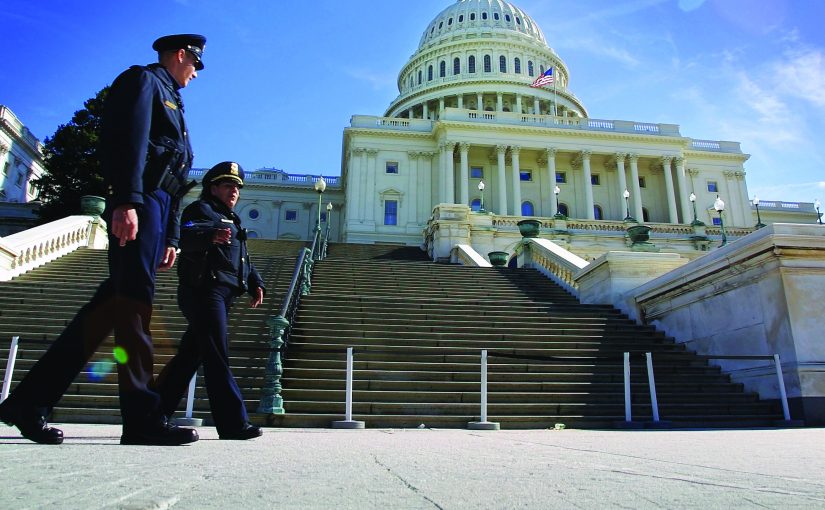
Effective police leadership sits at the crossroads of policy, law, and politics, where poorly drafted policies can have as much impact as poorly argued cases or poorly considered legislation. For today’s executives, navigating that intersection means treating policy work as a strategic function—not a clerical task—anchored in sound drafting, legislative awareness, deliberate advocacy, and disciplined change management, supported by national resources and best practices.1
Why Policy Is Strategic Leadership
Policies are the foundation of an organization. Policies do more than “tell people what to do”; they define how the organization understands risk, exercises authority, and demonstrates accountability, both internally and externally. When policies are current, coherent, and consistently applied, they become an engine for officer safety, community trust, and defensible decision-making.2
From an executive standpoint, a well-developed policy system
- signals organizational values and priorities to internal and external stakeholders;
- provides guidelines for the success of the organization and its personnel;
- translates statutes, case law, and professional standards into operational expectations that can be trained, supervised, and measured; and
- demonstrates due diligence in the face of litigation, consent decrees, accreditation reviews, and legislative oversight.
Drafting Policies: From Templates to Tailored Doctrine
Executives often inherit policy manuals that are incomplete, outdated, and internally inconsistent; conditions the IACP has identified as common pitfalls that undermine both compliance and credibility. Moving from “binder of rules” to coherent organizational doctrine requires a disciplined drafting framework.3
In order to access the rest of the article, sign in with your IACP or Subscriber credentials.