



Share
The mental well-being of the men and women who serve and protect communities across the world is every bit as important as their physical health and safety. Unaddressed mental health issues can take a...

Share
Psychological Fitness for Duty Evaluations (FFDEs) are complex and powerful, yet often misunderstood, assessment tools within police psychology. Police officers who have been referred for an FFDE typi...

Share
Police officers have always been jacks of all trades. The United States did a very good job promoting the use of 911 since the first call was made on February 16, 1968, and those three simple numbers ...
Share
Programs pairing police with mental health professionals to respond to calls involving persons in mental health crises are becoming widespread. Police and clinicians handle some crises better together...
Share
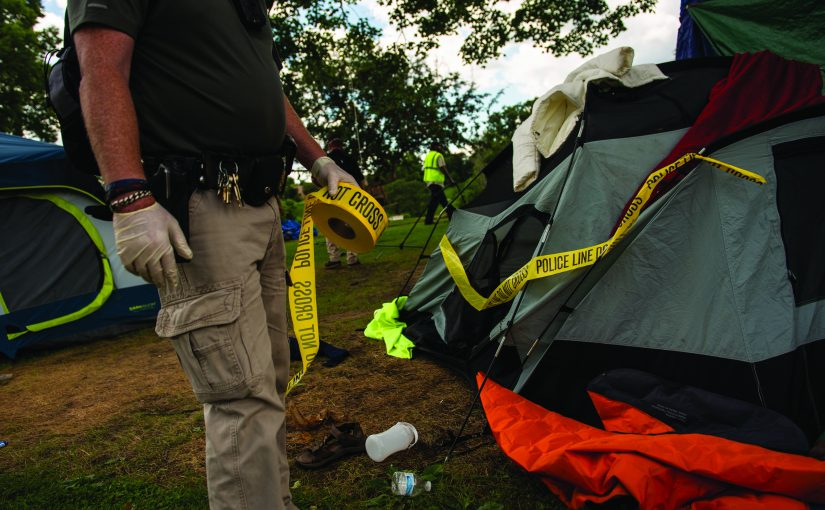
Autism. Williams syndrome. Alzheimer’s. Schizophrenia. These terms are often scary to any neurotypical police officer or layperson who has never personally encountered a person with one or more of t...
Share
In 1999, I was a young patrol sergeant working in a new division. Late one evening, I responded to a supervisor request on a domestic violence call in which the suspect attempted to stab his wife with...
Share
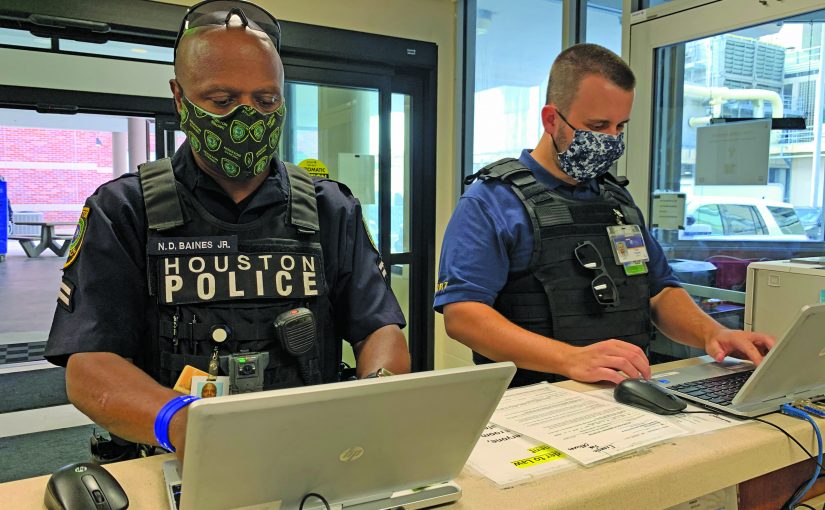
Like many police agencies, the Houston, Texas, Police Department (HPD) has seen an increase in public demands over the past several years in responding to those individuals exhibiting a mental illnes...
Share
On October 31, 1963, U.S. President John F. Kennedy signed a bill meant to free many thousands of people with mental illnesses from life in institutions. It envisioned building 1,500 outpatient mental...