

Share
For any police agency or public safety organization, investing in its aviation capability is a significant strategic decision. Advanced rotorcraft can transform the way a force protects the public, su...
Share
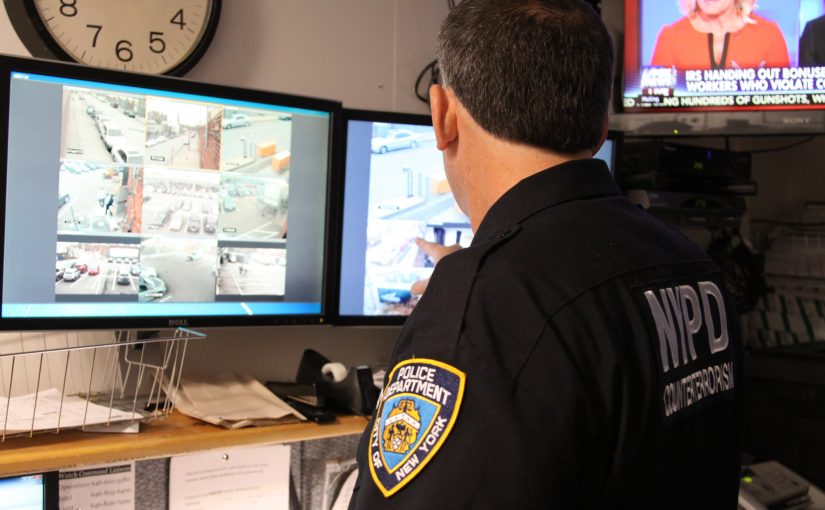
An officer who took the oath in the weeks after September 11, 2001, is at or past the 25-year service mark today. An entire generation of U.S. policing has now been recruited, trained, promoted, and (...

Share
This month marks the 25th anniversary of the 9/11 attacks, driving thoughtful reflection about how the world has evolved and what lessons have been learned. During the first decade after the attacks, ...
Share
September 18, 2026
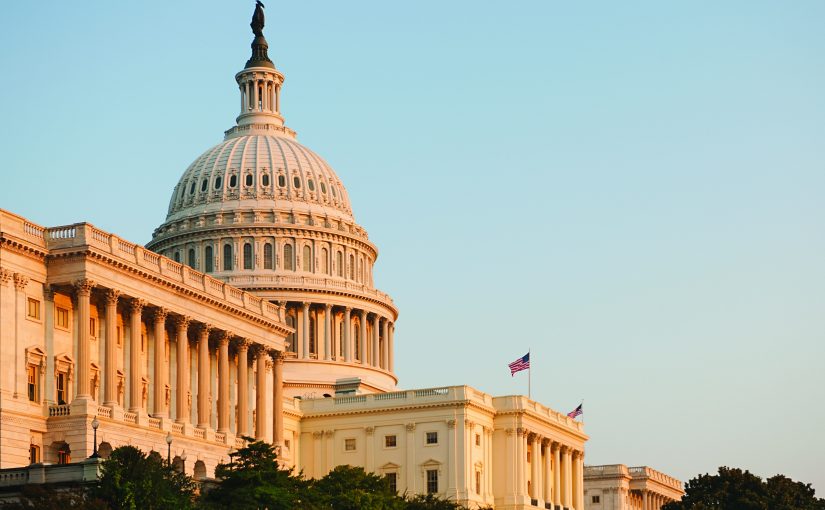
The IACP Legislative Update keeps you informed on major legislative and policy developments in the U.S. Congress that could impact the policing profession. This update covers infor...
Share
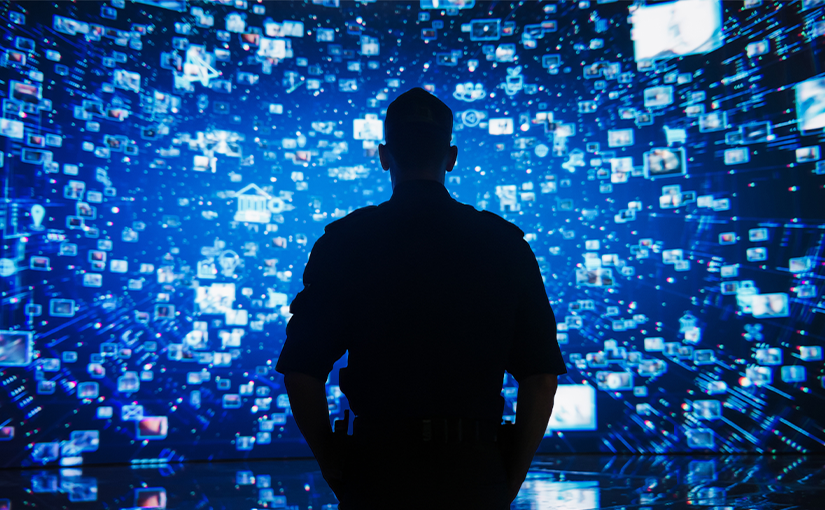
Digital evidence is no longer something investigators hope to find. It’s now part of nearly every major case police agencies encounter, from homicides and officer-involved shootings to narcotics, mi...
Share
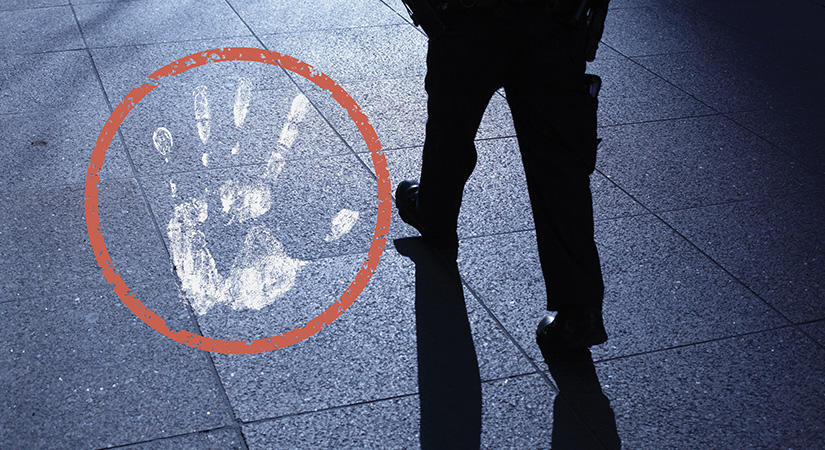
The terrorist attacks of September 11, 2001, marked a defining moment in the evolution of policing. In the aftermath, police agencies were forced to reassess not only how they responded to threats but...
Share
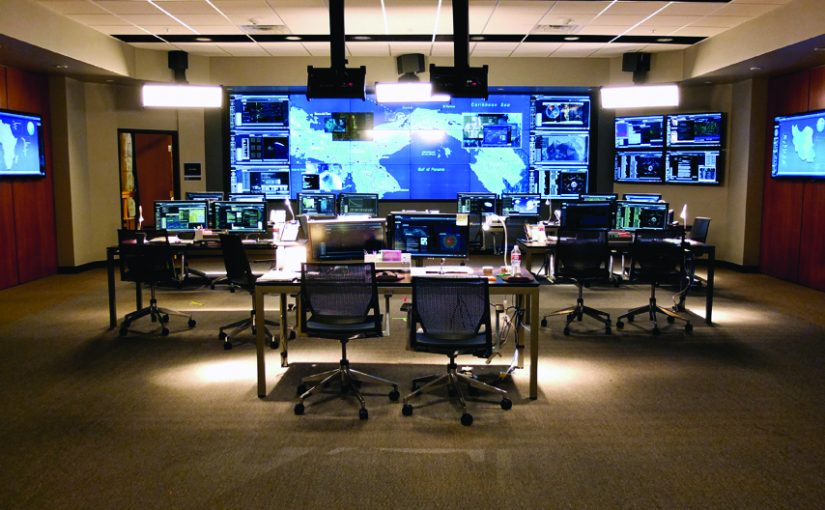
On September 11, 2001, U.S. policing changed in ways that continue to shape the profession today. Twenty-five years later, the most enduring legacy of 9/11 is not found in equipment, training programs...

Share
Cloud migration shifts the foundation of lawful intelligence security from isolated, dedicated hardware to a distributed, software-defined environment with an expanded attack surface. Beyond the physi...